A major U.S. crypto market structure bill reached a new procedural milestone after clearing the Senate Agriculture Committee, marking the furthest progress such legislation has made in the upper chamber.…
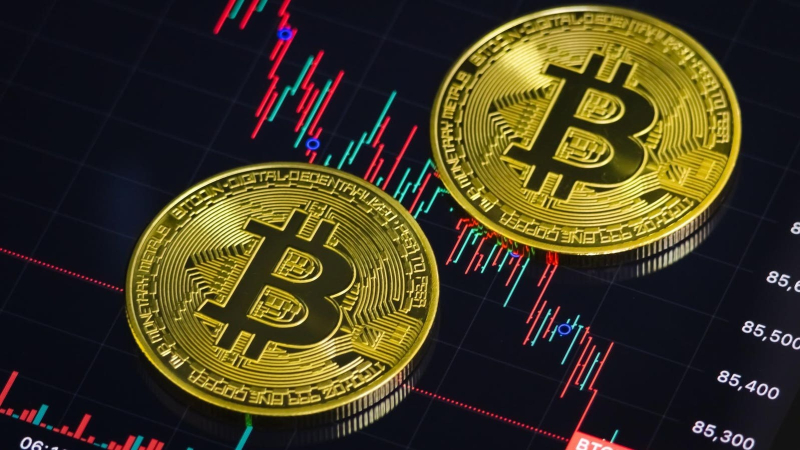

A major U.S. crypto market structure bill reached a new procedural milestone after clearing the Senate Agriculture Committee, marking the furthest progress such legislation has made in the upper chamber.…
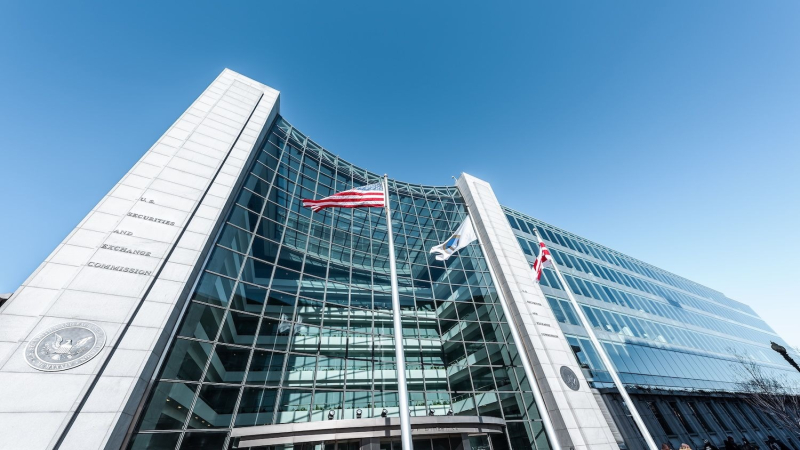
US securities regulators have cautioned that tokenization does not change the legal nature of financial instruments and cannot be used to sidestep compliance obligations. In a staff statement released this…
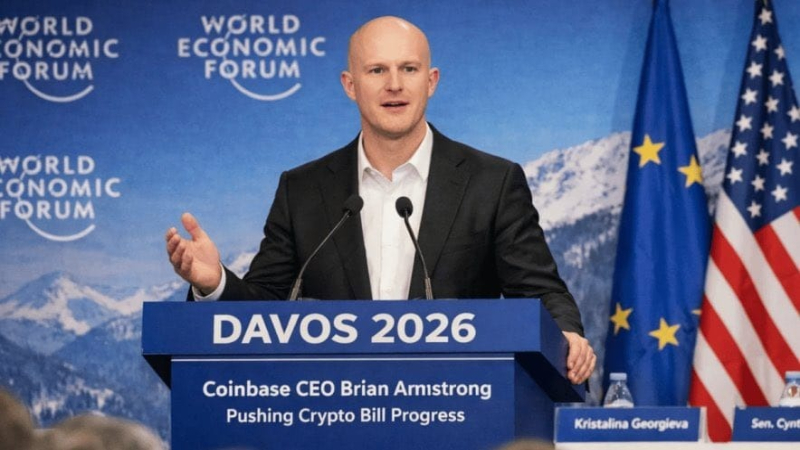
Tokenization moved beyond theory at the World Economic Forum in Davos, where policymakers, regulators, and financial executives treated it as an active part of the evolving financial system rather than…

South Korea is moving closer to formalizing its approach to stablecoin regulation as lawmakers finalize a new digital asset bill that introduces capital requirements and stronger market oversight. The proposed…

Tether has formally entered the US regulated stablecoin market with the launch of USA₮, a dollar backed token issued by Anchorage Digital Bank under the newly enacted GENIUS Act. The…
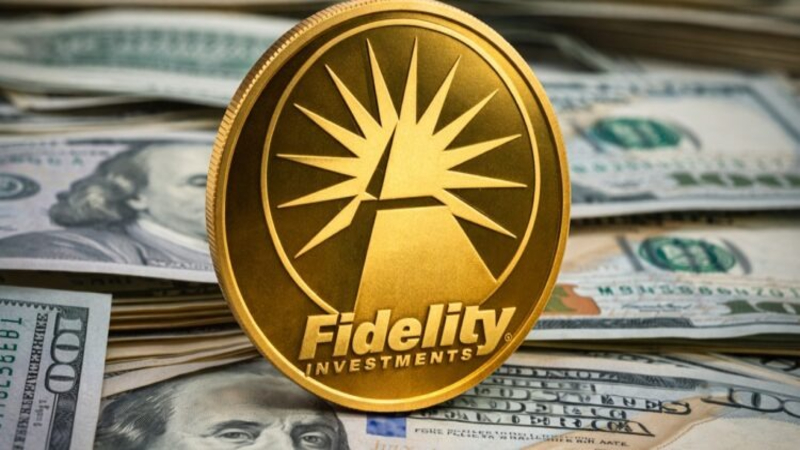
Fidelity Investments is entering the stablecoin market with the launch of the Fidelity Digital Dollar, signaling a decisive move by one of the world’s largest asset managers toward blockchain based…
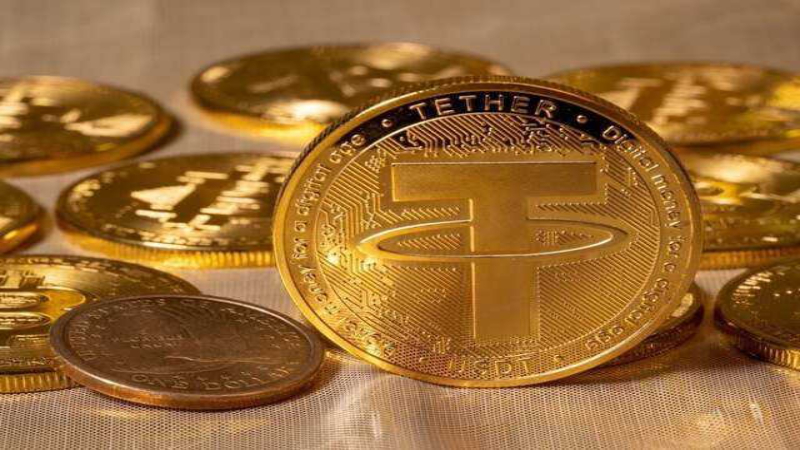
Tether has quietly become one of the most significant new players in the global gold market, amassing a bullion stockpile that rivals those of many central banks. The stablecoin issuer…
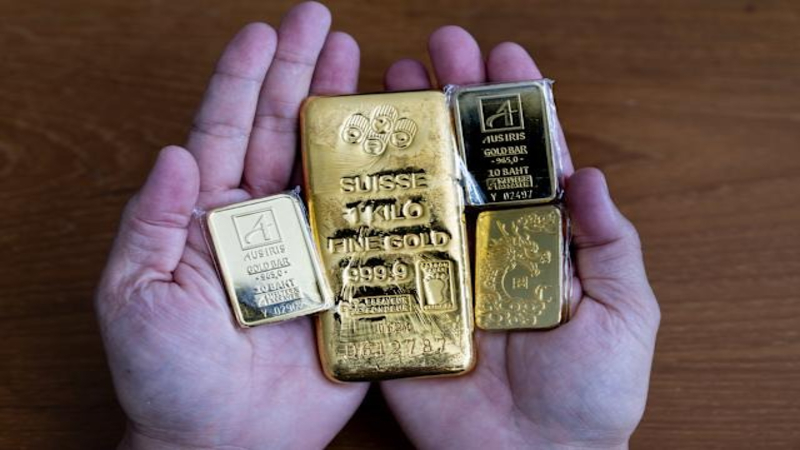
Gold surged to a fresh all time high above 5,400 dollars an ounce as investors piled into the metal following remarks from Federal Reserve Chair Jerome Powell, while bitcoin remained…

Crypto investors are increasingly turning toward tokenized gold as digital asset markets struggle to regain momentum, driving record inflows into gold backed tokens. Paxos Gold saw more than 248 million…
The White House is preparing to convene senior executives from major cryptocurrency firms and traditional banks for discussions aimed at breaking the deadlock over the digital asset market structure bill.…