Shares of Cantor Equity Partners II moved higher after renewed attention on the growing divide between crypto exchanges and tokenization platforms, following comments that framed the U.S. market structure debate…


Shares of Cantor Equity Partners II moved higher after renewed attention on the growing divide between crypto exchanges and tokenization platforms, following comments that framed the U.S. market structure debate…

CME Group is expanding its regulated crypto derivatives offering with the addition of futures contracts tied to Cardano, Chainlink, and Stellar, signaling continued institutional interest in diversified digital asset exposure…
The price of Kaito fell sharply after X revised its developer API policies to block applications that reward users for posting on the platform, a move that directly targets so-called…

Global capital flowing into digital assets is expected to exceed last year’s record levels as institutional investors reengage with the market in 2026, according to new estimates from JPMorgan. The…
A delay in advancing a major U.S. crypto market structure bill may ultimately strengthen the final legislation, according to market analysts who view the pause as an opportunity to resolve…
Generic Protocol has launched GUSD, a new stablecoin designed around privacy and decentralized yield routing, as U.S. lawmakers continue to scrutinize how stablecoin rewards are distributed. The project describes GUSD…
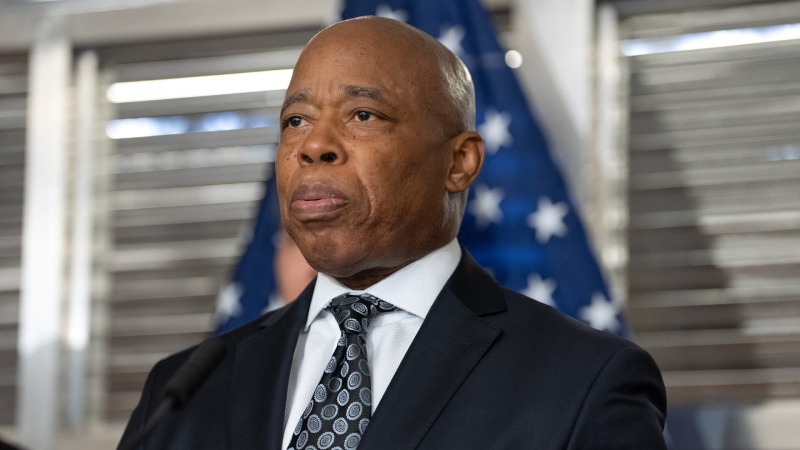
Former New York City mayor Eric Adams has rejected allegations that his newly launched NYC Token was involved in a coordinated liquidity withdrawal that caused heavy losses for early traders.…
Tether has partnered with the United Nations Office on Drugs and Crime to launch a digital asset cybersecurity and education initiative aimed at addressing growing risks tied to rapid crypto…

Pakistan has signed an agreement to explore the use of a U.S. dollar linked stablecoin for cross border payments, marking one of the first publicly disclosed cases of a sovereign…

Visa is increasing its focus on stablecoin settlement as part of a strategy to integrate digital dollars into its existing payment infrastructure rather than competing with it. The company’s crypto…