Morgan Stanley is advancing plans to launch a digital wallet for tokenised real world assets, with a rollout targeted for late 2026 as the bank deepens its push into blockchain…


Morgan Stanley is advancing plans to launch a digital wallet for tokenised real world assets, with a rollout targeted for late 2026 as the bank deepens its push into blockchain…

Tokenized stocks have the potential to fundamentally transform global financial markets by enabling round the clock trading, faster settlement, and broader access to equities, according to Brian Armstrong. Speaking about…

Token buybacks have returned to the center of the crypto conversation, but the renewed focus is less about hype and more about effectiveness. In 2025, crypto protocols spent more than…

Bitcoin continues to trade within a constructive breakout structure, but upside momentum remains restrained as selling from older holders offsets improving short term conditions. After reclaiming its 20 day exponential…

A group of seventy European economists has urged lawmakers in the European Union to prioritize the launch of a publicly issued digital euro rather than relying on private stablecoins, warning…

Sharps Technology has taken a deeper step into blockchain infrastructure by partnering with Coinbase to launch a Solana validator, marking a shift from passive token holding to active network participation.…
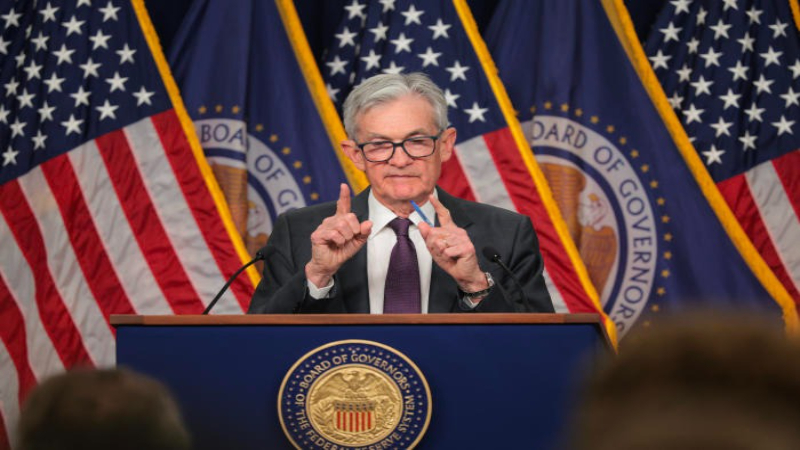
Bitcoin began the week trading flat as escalating political risk in the United States and fresh regulatory developments abroad shifted attention away from the digital asset’s safe haven narrative. The…

Concerns over the long term security of Bitcoin are resurfacing as advances in quantum computing revive debate about whether today’s cryptography can withstand future threats. Researchers and technologists warn that…

Ether is positioned to outperform bitcoin over the long term despite uneven momentum across digital asset markets, according to a new outlook from Standard Chartered. The bank said Ethereum’s structural…
Bitcoin’s recent pullback from its October peak is increasingly being viewed as a mid cycle correction rather than a definitive market top, based on comparisons with previous bull market phases.…