For decades, market size was treated as the clearest indicator of opportunity. Larger markets promised deeper liquidity, broader participation, and greater growth potential. In 2026, this assumption is being reconsidered.…


For decades, market size was treated as the clearest indicator of opportunity. Larger markets promised deeper liquidity, broader participation, and greater growth potential. In 2026, this assumption is being reconsidered.…

Crypto market cycles have traditionally been defined by speculation, narrative momentum, and rapid inflows of retail capital. Price appreciation often preceded meaningful development, with infrastructure catching up after demand surged.…
Digital asset allocation in 2026 looks markedly different from the strategies that dominated during the low rate era. When borrowing costs were minimal, capital flowed freely into high risk and…
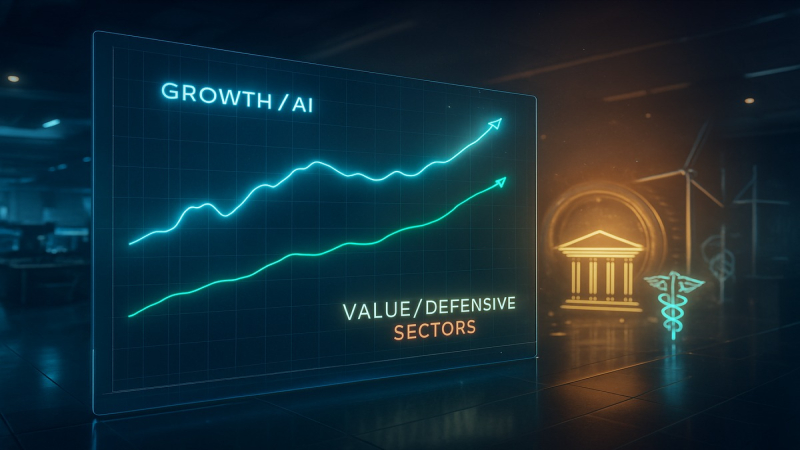
Financial markets in 2026 are reflecting a clear shift in investor behavior. After years defined by aggressive risk taking and rapid speculation, capital is increasingly moving toward stability. This change…

Tokenized systems are often promoted on the basis of speed. Faster settlement, instant transfers, and continuous markets are frequently presented as the primary advantages of moving assets onto digital rails.…

Digital settlement layers are becoming a central part of modern finance, yet they are often discussed in highly technical terms. In 2026, these systems are no longer experimental concepts limited…
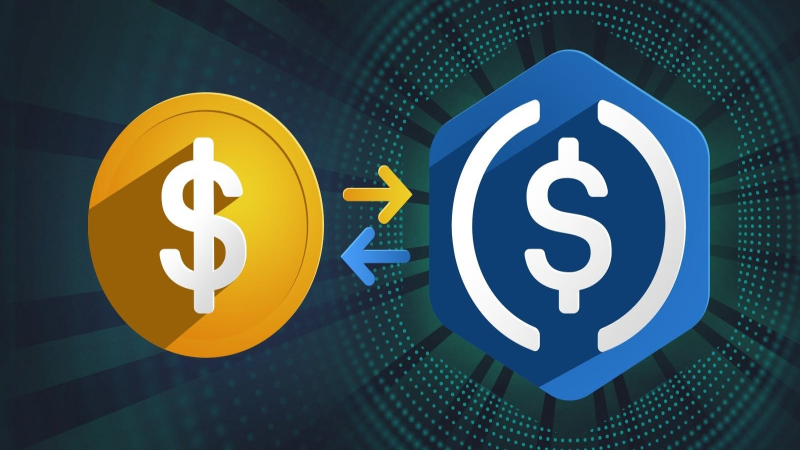
Stablecoins are often assessed by how closely they track their reference value. Price stability is visible and easy to measure, which makes it the default lens for evaluating risk. In…
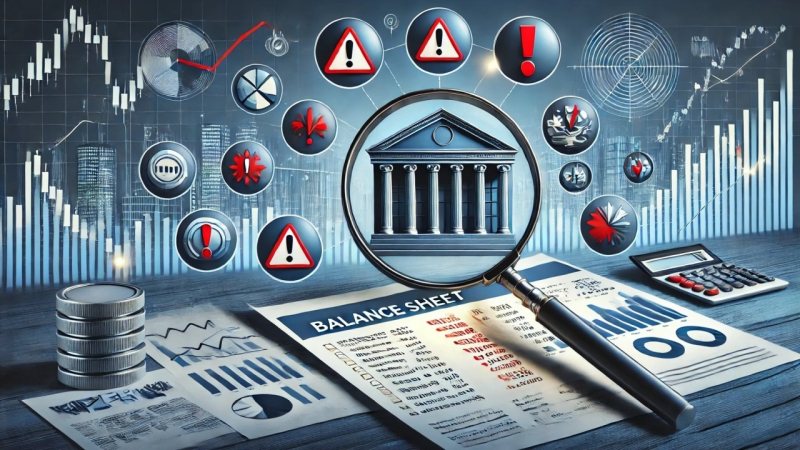
Institutional investors entered digital finance cautiously, often treating it as an experimental allocation rather than a core component of their portfolios. In 2026, that posture has shifted. Institutions are no…

Tokenization has become one of the most discussed concepts in digital finance, often presented as a solution to inefficiency, illiquidity, and limited access in traditional markets. Much of this discussion,…

Digital finance in 2026 is undergoing a transformation that is largely invisible to end users. While attention often focuses on new applications or market movements, a more important shift is…