Bitcoin failed to maintain momentum above the seventy thousand dollar level this week even after a series of major developments linking the cryptocurrency sector more closely with traditional finance. The world’s largest digital asset briefly approached seventy four thousand dollars before retreating below sixty nine thousand dollars as investors reacted to broader economic pressures. Market participants had expected the wave of institutional news to support prices, but shifting global conditions including a stronger United States dollar and rising interest rate expectations ultimately weighed on risk assets across the financial markets.
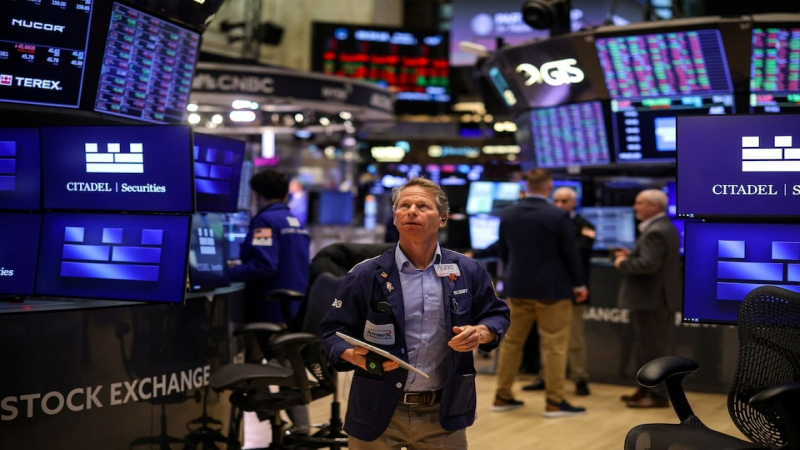
Several significant institutional developments occurred during the week that under normal circumstances might have fueled a sustained rally in the cryptocurrency market. Major financial institutions continued expanding their involvement in the digital asset sector as infrastructure around bitcoin strengthened. Financial services groups increased their role in exchange custody and trading services, while partnerships between traditional finance companies and cryptocurrency platforms continued to grow. Large financial market operators also increased investments in crypto exchanges, signaling ongoing institutional interest in blockchain based financial services and digital asset trading platforms.
Despite these positive developments, macroeconomic forces proved more influential in shaping market sentiment. The United States dollar strengthened during the week as geopolitical tensions in the Middle East intensified, particularly following rising conflict involving Iran. Higher oil prices triggered renewed concerns about inflation, leading investors to reassess expectations for interest rate cuts from the Federal Reserve. As the dollar gained strength and bond yields moved higher, global equity markets weakened and cryptocurrencies followed the same trend due to their increasing correlation with technology stocks and other risk sensitive assets.
Market analysts say bitcoin’s growing integration with traditional finance has changed how the asset reacts to global economic conditions. Over the past few years hedge funds, asset managers and exchange traded funds have brought large institutional capital into the cryptocurrency market. These investors often treat bitcoin as part of a broader macro investment strategy rather than an isolated digital asset. As a result bitcoin’s price movements are increasingly influenced by factors such as interest rates, liquidity conditions and currency strength rather than purely crypto specific developments.
On chain data also suggests that short term traders played a major role in the recent price pullback. When bitcoin approached seventy four thousand dollars many short term holders moved their assets to exchanges and began taking profits. Market data indicates that tens of thousands of bitcoin were transferred to trading platforms within a short period, representing billions of dollars in realized gains. Short term investors typically respond quickly to volatility and geopolitical uncertainty, and their selling activity can amplify price movements when market liquidity is relatively thin.
Although the short term price action appears uncertain, some indicators suggest underlying institutional demand may still be building. Data from recent investment flows shows that spot bitcoin exchange traded funds recorded positive net inflows for the first time in several weeks. This suggests that some long term investors may be gradually returning to the market after a period of cautious positioning. Institutional investors including university endowment funds are also beginning to explore digital asset investment opportunities as they look for alternatives to highly valued traditional equity markets.
Market researchers also note that speculative leverage across the cryptocurrency market has declined significantly compared with earlier periods of strong price rallies. Funding rates across major derivatives exchanges have fallen to their lowest levels in years, indicating that highly leveraged positions have largely been reduced. Historically these conditions can create a more stable foundation for long term growth driven by actual demand rather than short term speculation. While macro uncertainty continues to influence markets, analysts say the expanding institutional infrastructure surrounding bitcoin may support future adoption as digital assets continue integrating with global finance.