Cryptocurrency based money laundering has expanded sharply over the past five years, reaching an estimated 82 billion dollars in 2025 as illicit activity becomes more organized and global in scale.…
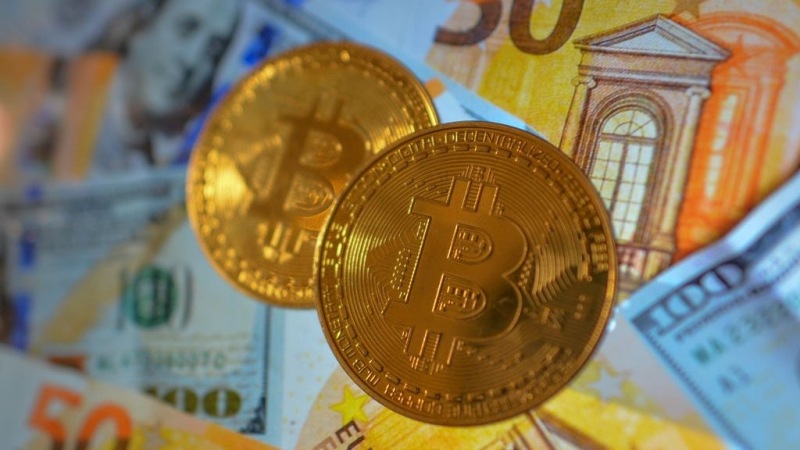

Cryptocurrency based money laundering has expanded sharply over the past five years, reaching an estimated 82 billion dollars in 2025 as illicit activity becomes more organized and global in scale.…
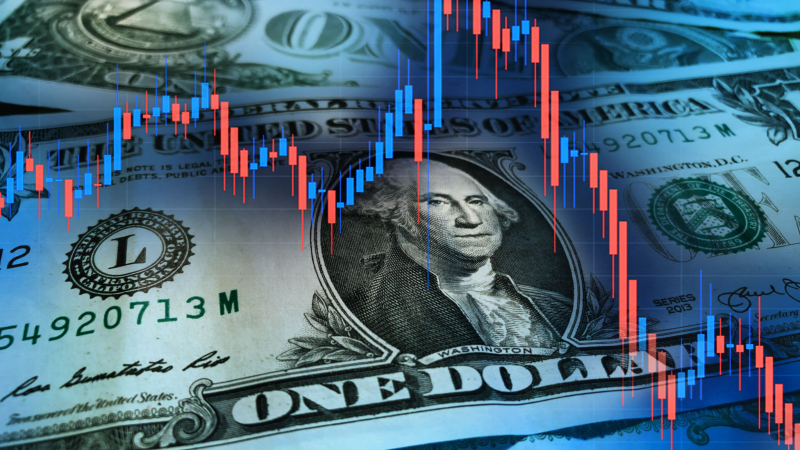
Bitcoin moved sharply higher in early trading, climbing above 89,000 dollars as renewed weakness in the U.S. dollar boosted demand for alternative assets. The rally followed remarks from Donald Trump,…

Strong gains in commodity derivatives trading have pushed the HYPE token sharply higher, reflecting growing activity on the Hyperliquid platform. The exchange’s native token climbed around 24 percent in a…

Blockchain infrastructure firm Zerohash is in discussions to raise up to 250 million dollars at a valuation of approximately 1.5 billion dollars, signaling growing investor confidence in enterprise focused crypto…

Bitcoin remained range bound near the 88,000 level as broader macro uncertainty continued to weigh on crypto markets, even as precious metals posted historic gains before showing signs of exhaustion.…

Cross-border payments have long been one of the most inefficient parts of the global financial system. Despite decades of modernization, international transactions still rely on fragmented networks, multiple intermediaries, and…

A group of Democratic lawmakers has introduced new legislation aimed at preventing elected officials and government insiders from participating in political prediction markets, citing concerns over conflicts of interest and…
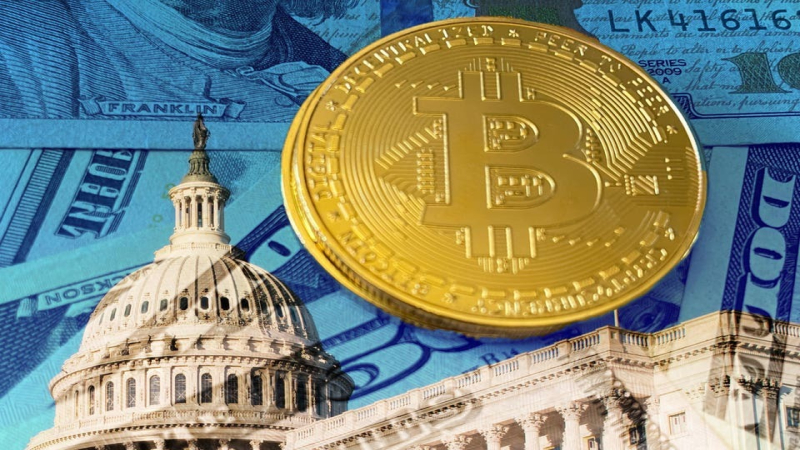
The United States government may soon move beyond holding confiscated digital assets and begin actively purchasing bitcoin as part of a national strategic reserve, according to recent comments from a…

Pump.fun has announced changes to its creator fee model as activity on the Solana-based memecoin launchpad rebounds to its highest daily level in months. The platform said the existing fee…

Early optimism around US-listed Bitcoin exchange traded funds has faded after a three-day stretch of heavy outflows erased most gains recorded at the start of the year. After attracting more…