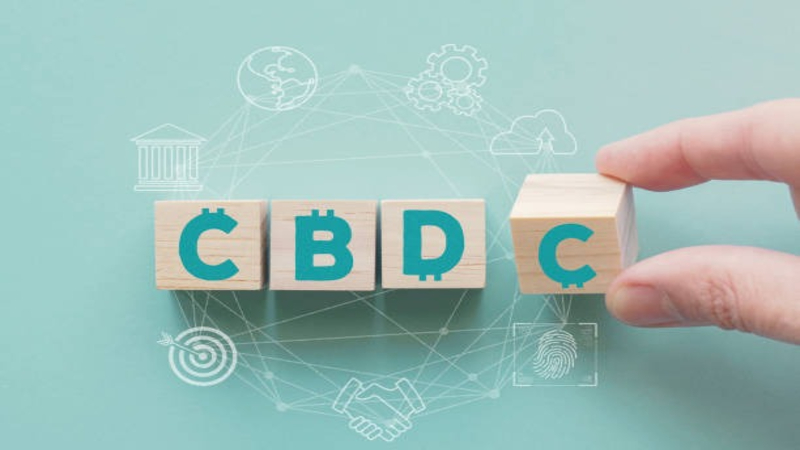
Central bank digital currencies are moving from concept to implementation, prompting institutions to rethink how they connect to global payment systems. As more jurisdictions develop their own digital currency frameworks, interoperability has become the central challenge. Institutions that operate across borders must ensure that settlement systems, liquidity models, and compliance tools work seamlessly between different CBDC networks. This shift marks a major transition from siloed national payment systems toward a unified architecture built on digital infrastructure.
Institutional integration of CBDCs is not limited to payments. It impacts collateral management, risk modeling, treasury flows, and access to tokenized financial markets. As regulatory bodies align around standards for digital finance, institutions are preparing to adapt their operating models to ensure smooth interaction between domestic systems and cross-border CBDC corridors. Interoperability is becoming a key requirement for achieving efficiency, security, and global coordination.
The Role of Interoperable CBDC Networks in Institutional Finance
The most important factor shaping institutional adoption is the ability of CBDCs to operate across multiple jurisdictions without introducing settlement friction. Traditional cross-border transactions require correspondent banking and manual reconciliation across different systems. Interoperable CBDCs eliminate these delays by providing direct connectivity between national digital ledgers. This allows institutions to execute faster transactions, settle with greater precision, and maintain real-time visibility across global operations.
Simple interoperability is not enough. Institutions require programmable compliance rules, unified messaging standards, and automated verification tools to ensure that risk controls work consistently across different CBDC networks. These features reduce operational overhead and align CBDC systems with institutional requirements for transparency and regulatory reporting. As more central banks test multi-CBDC platforms, institutions are beginning to see the advantages of a coordinated digital settlement environment.
Effects on Market Operations and Liquidity Management
Interoperable CBDCs improve market structure by enabling faster settlement cycles and real-time liquidity tracking. Institutions can move funds between jurisdictions without delays caused by traditional payment pathways. This enhances intraday liquidity, reduces the need for redundant buffers, and supports more efficient treasury operations. Trading desks can align settlement timing across markets, lowering the risk of mismatched positions and reducing collateral requirements.
Market infrastructure also benefits from automated settlement execution. CBDC rails support programmable triggers that coordinate liquidity movements across central banks, custodians, and institutional platforms. This creates more stable liquidity flows, especially during high-volume trading periods. For institutions participating in global markets, these improvements strengthen operational resilience and support smoother cross-border financial activity.
Integration With Tokenized Markets and Digital Asset Ecosystems
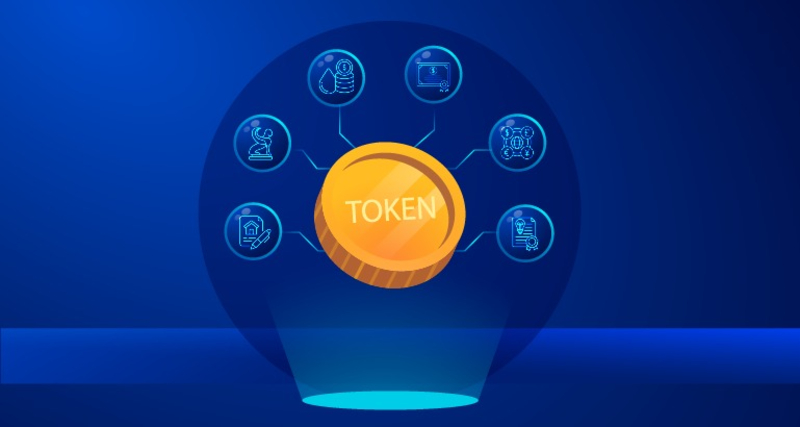
As tokenization expands, institutions require settlement systems that can operate natively within digital ecosystems. CBDCs serve as secure settlement assets that interact directly with tokenized instruments, on-chain bonds, and digitally traded collateral. Interoperable CBDC networks simplify how institutions execute tokenized transactions across jurisdictions, reducing friction and ensuring predictable settlement finality.
This integration also opens opportunities for automated asset servicing. Coupon payments, corporate actions, and collateral updates can be executed through smart contracts using CBDC settlement channels. Institutions gain more accurate reporting and improved lifecycle management for digital portfolios. The seamless interaction between CBDCs and tokenized markets supports market depth, liquidity, and efficient capital deployment.
Regulatory Standards and Institutional Readiness
Global regulators are working toward shared frameworks that support CBDC interoperability. Standards for privacy, identity verification, messaging formats, and settlement rules are being coordinated across regions to ensure that institutions can operate safely within multi-CBDC systems. Compliance requirements include real-time data monitoring, enhanced security measures, and risk reporting aligned with digital asset ecosystems.
Institutional readiness depends on upgrading digital infrastructure. Treasury systems, liquidity platforms, and compliance tools must adapt to operate within programmable CBDC environments. Institutions already investing in blockchain-based settlement tools will transition more smoothly as CBDC networks expand. Those delaying the shift may encounter gaps in competitiveness, liquidity access, and cross-border operational efficiency.
Conclusion
CBDC interoperability is becoming essential for institutional finance as digital settlement layers transform global markets. Interconnected networks improve liquidity, reduce settlement delays, and support seamless integration with tokenized assets. As standards evolve and central banks coordinate across jurisdictions, institutions prepared for multi-CBDC systems will gain significant advantages in efficiency, transparency, and global market participation.