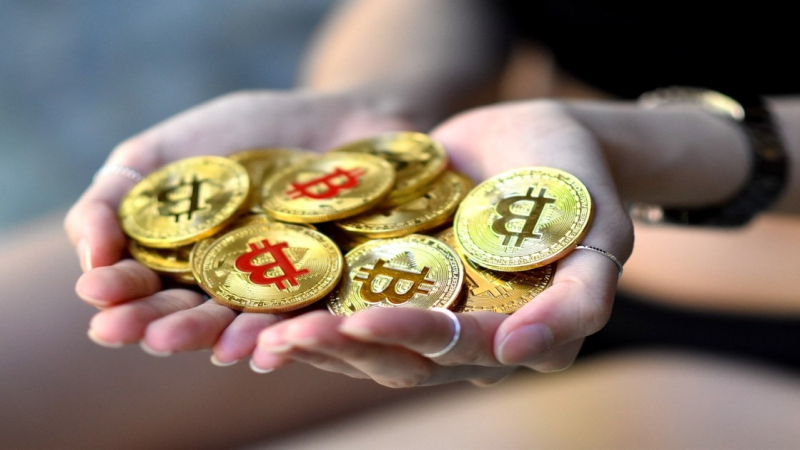
Chinese companies are increasingly experimenting with the tokenization of real world assets, turning prized goods such as rare trees, fine tea, liquor, and collectibles into digital assets as they search for new funding channels. On the southern island of Hainan, firms are cataloguing Huanghuali trees, a highly valued rosewood once favored by imperial courts, with the aim of converting each tree into tradeable digital tokens. Supporters of the model argue that tokenization allows long term, slow maturing assets to be monetized earlier, easing cash flow pressures for producers while opening access to a broader pool of investors. These projects are largely being structured and launched in Hong Kong, where digital asset activity is permitted under existing securities rules, offering mainland firms exposure to capital markets that would otherwise remain out of reach.
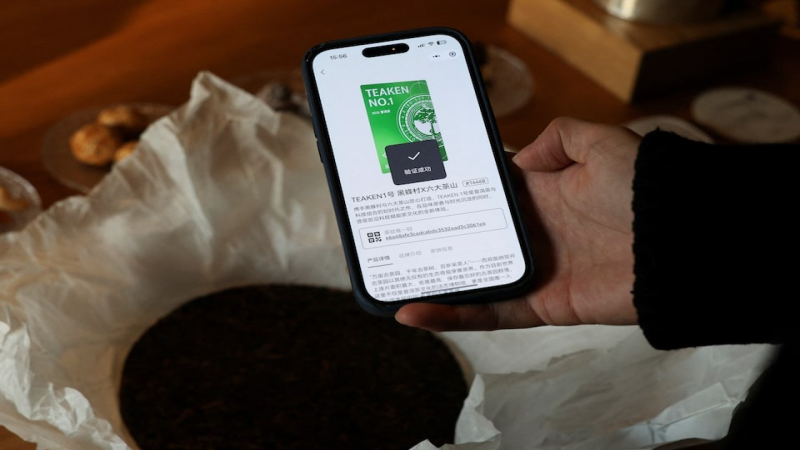
Beyond forestry, tokenization efforts are expanding into other niche sectors, including premium pu’er tea, baijiu liquor, and even distressed infrastructure projects. Startups have issued digital tokens representing ownership claims on aging tea cakes, promoting blockchain authentication as a solution to counterfeiting in high value collectible markets. Advocates say the approach adds transparency, traceability, and liquidity to assets that are traditionally illiquid and difficult to verify. Lawyers and advisers involved in these projects report rising interest from companies looking to tokenize commodities, artifacts, data assets, and real estate. However, questions remain about long term demand, as the supply of tokenized assets may outpace the number of investors willing or able to participate, particularly given restrictions on mainland Chinese capital flows.
Regulatory uncertainty continues to shape the sector’s development. While Hong Kong authorities have signaled that tokenized products falling under securities or futures definitions are governed by existing frameworks, regulators in Beijing have expressed concern about the misuse of real world asset tokens for illegal fundraising and fraud. Mainland authorities have reiterated bans on providing cryptocurrency related services domestically, even as mainland investors are still able to access compliant products through Hong Kong accounts. Legal experts note that enforcement efforts appear focused on unregulated or deceptive schemes rather than compliant projects designed to support legitimate economic activity. As a result, real world asset tokenization in China is emerging along a careful geographic and regulatory divide, with innovation accelerating offshore while policy caution persists at home.