Introduction
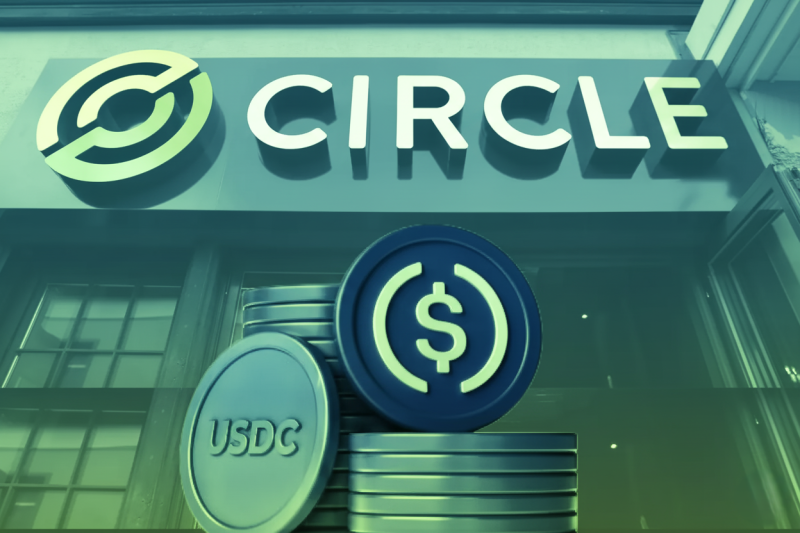
Circle, the issuer of USD Coin (USDC), has significantly expanded its operations in the Middle East, signaling a major step forward in the global adoption of stablecoins. This expansion involves partnerships with key financial institutions and regulatory authorities, aimed at enhancing the integration of USDC into the region’s financial ecosystem. The initiative reflects Circle’s strategy to leverage regulatory clarity and advanced fintech infrastructure to facilitate smoother cross-border transactions, promote digital asset usage, and strengthen financial inclusion. Analysts note that this expansion will likely accelerate the use of USDC in trade settlements, remittances, and institutional investment flows within the Middle East, positioning the region as an important hub for digital finance innovation. The move also highlights how stablecoins are increasingly becoming a bridge between traditional financial systems and the emerging decentralized economy.
Regulatory Approvals and Strategic Partnerships
In April 2025, Circle obtained in-principle approval from the Financial Services Regulatory Authority (FSRA) of the Abu Dhabi Global Market (ADGM), allowing it to operate as a regulated money services provider in the United Arab Emirates. This milestone demonstrates the UAE’s progressive approach to digital asset regulation, creating a legal framework that encourages innovation while maintaining investor protection. Circle has also partnered with Hub71, Abu Dhabi’s technology ecosystem, to collaborate on projects within ADGM’s digital regulatory sandbox. These partnerships allow Circle to pilot advanced digital payment solutions, test compliance frameworks, and integrate blockchain-based infrastructure in a controlled environment. By aligning with regulatory authorities, Circle ensures that its operations are compliant with local laws, mitigating operational risks while building confidence among institutional clients, fintech developers, and regulators alike.
Integration with Financial Institutions
Circle’s expansion has been reinforced through collaborations with leading financial institutions in the region. In December 2024, Circle partnered with LuLu Financial Holdings to integrate USDC into the company’s cross-border payment platforms. This integration enables seamless international transactions, providing faster settlement times and significantly reducing transaction costs compared to traditional remittance services. Circle’s partnership with Mastercard further facilitates USDC settlements for merchants and acquiring banks in the Middle East, creating a practical use case for stablecoins in everyday commerce. These collaborations highlight the growing institutional adoption of digital assets, demonstrating the capacity of USDC to function as a reliable and efficient medium for both retail and corporate financial operations. Analysts suggest that such integrations not only enhance operational efficiency but also support liquidity and price stability within the stablecoin ecosystem.
Impact on Cross-Border Payments
The adoption of USDC in the Middle East is expected to transform cross-border payments, particularly in markets with significant remittance activity. Traditional remittance solutions are often associated with high fees, slow processing times, and limited transparency. By leveraging USDC, transactions can be executed more efficiently, with lower costs and near-instant settlement. This benefits individuals sending funds internationally, while also providing corporations with an agile tool for managing cross-border transactions, currency conversions, and working capital. Furthermore, the use of USDC in cross-border settlements increases transparency, reduces counterparty risk, and enables automated reconciliation, which aligns with best practices in financial operations. The stablecoin’s integration into the region’s financial infrastructure thus enhances the overall efficiency and competitiveness of cross-border trade and remittance networks.
Regulatory Landscape and Future Outlook
The Middle East has emerged as a leading region for digital asset adoption, supported by proactive regulatory policies and a robust fintech ecosystem. The UAE, in particular, has established clear regulatory frameworks for cryptocurrencies and stablecoins, fostering an environment conducive to innovation. Dubai’s recognition of USDC and Euro Coin (EURC) as the first stablecoins under its crypto token regime illustrates the government’s commitment to formalizing digital finance operations. Looking forward, Circle intends to expand its partnerships with banks, payment networks, and regulatory bodies throughout the Middle East. These initiatives are designed to drive widespread USDC adoption, enhance interoperability across financial platforms, and reinforce the region’s position as a global hub for digital finance. Analysts predict that continued regulatory clarity and institutional adoption will encourage other stablecoin issuers to pursue similar expansions, accelerating the integration of digital assets into conventional financial systems.
Industry Reaction
Industry stakeholders have generally welcomed Circle’s Middle East expansion as a positive development for stablecoins and digital finance. Observers highlight that regulatory approval from the FSRA and partnerships with prominent financial institutions signal a maturation of the stablecoin market, demonstrating compliance, operational reliability, and scalability. Some industry participants emphasize that USDC’s integration into regional payment systems could serve as a model for other jurisdictions seeking to balance innovation with regulatory oversight. Moreover, by embedding stablecoins into real-world financial infrastructure, Circle provides tangible proof of the utility of digital assets beyond speculative trading, reinforcing their role as functional instruments in global commerce. Experts note that the adoption of USDC in emerging financial hubs like the Middle East strengthens the global stablecoin ecosystem and promotes standardized practices in reserve management, transparency, and operational compliance.
Conclusion
Circle’s strategic expansion into the Middle East represents a significant milestone in the global adoption of USDC. Through regulatory approvals, partnerships with financial institutions, and integration with payment networks, Circle is facilitating efficient and secure cross-border transactions, enabling both retail and institutional participants to leverage stablecoins in practical applications. As the Middle East continues to embrace digital assets, these initiatives lay the groundwork for a more inclusive and technologically advanced financial ecosystem. Circle’s efforts not only demonstrate the scalability and reliability of USDC but also signal the growing institutional recognition of stablecoins as viable tools for global financial operations. The Middle East’s progressive regulatory environment and Circle’s proactive strategy collectively position USDC as a central component in the region’s evolving digital economy.