Shares of stablecoin issuer Circle have surged more than 100 percent over the past month, turning the company into one of the most closely watched stocks in the digital asset sector. The rally reflects growing investor confidence in the role of stablecoins within the broader financial system. Circle, the company behind the USDC stablecoin, has benefited from a combination of improving market sentiment, supportive analyst upgrades, and expanding use cases for stablecoins across the crypto economy. The stock recently climbed to around 124 dollars, continuing a sharp upward trend that has outpaced several other crypto-linked equities.
Analysts say the company’s strong performance is tied to growing demand for USDC and the expanding infrastructure around stablecoin-based payments and financial services. Circle generates revenue largely from the reserves backing its stablecoin, which are invested in short-term government securities and other highly liquid assets. As interest rates remain elevated in the global economy, the yield generated from these reserves has become a significant source of earnings for the company. A higher interest-rate environment therefore directly increases Circle’s profitability as the amount of interest earned on the reserves grows.
Investor sentiment toward Circle has also improved following a series of positive analyst revisions. Several financial institutions recently raised their outlook for the company, citing the strategic importance of stablecoin infrastructure in the evolving digital finance ecosystem. Analysts at Clear Street upgraded the stock from hold to buy and raised their price target significantly, while Mizuho also lifted its valuation forecast. Even analysts who had previously maintained bearish views on Circle have softened their stance, reflecting broader recognition that the company occupies a central position in the stablecoin market.
Beyond interest income, analysts highlight the rapid growth of tokenized assets and blockchain-based financial applications as another major driver of Circle’s momentum. USDC has become widely used in decentralized finance platforms, tokenized asset markets, and cross-border payment systems. New use cases are emerging in areas such as prediction markets, automated financial services powered by artificial intelligence, and blockchain-based settlement systems. These developments have strengthened the view that stablecoins like USDC could play a key role in future digital financial infrastructure.
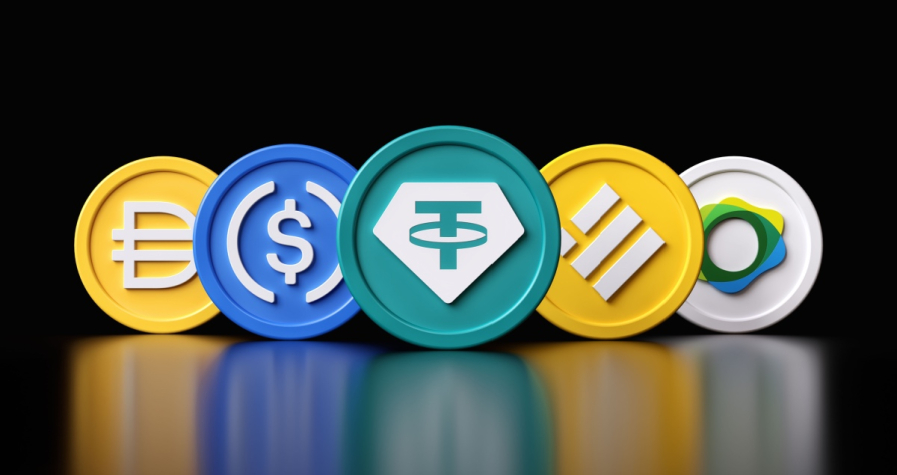
The stablecoin sector itself has continued to expand as institutions explore blockchain technology for payments and settlement. Stablecoins are designed to maintain a fixed value by being backed with reserves such as cash or government bonds, making them suitable for transferring value within digital markets. As financial institutions and technology companies experiment with tokenized assets and blockchain-based settlement networks, stablecoins are increasingly being viewed as a bridge between traditional finance and the crypto ecosystem.
Market participants also believe regulatory developments in the United States could shape the next phase of growth for stablecoin issuers. Lawmakers have been discussing potential frameworks that would provide clearer oversight for stablecoin operators while encouraging innovation in digital payments. If legislation is introduced that supports regulated stablecoin issuance, analysts say companies like Circle could benefit from stronger institutional adoption and wider integration into global financial systems.
Circle’s stock rally reflects the broader shift in investor attention toward the infrastructure powering the digital asset economy. While cryptocurrencies themselves often attract the most headlines, companies that provide payment rails, settlement systems, and stablecoin liquidity are increasingly viewed as foundational components of the industry. As demand for stablecoins continues to grow across trading platforms, financial services, and tokenized markets, Circle’s role in the ecosystem may continue to draw investor interest.