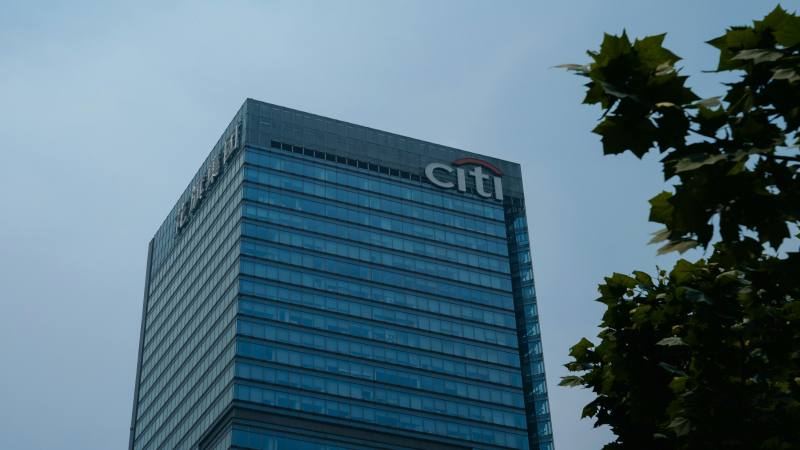
Major US banking institutions are accelerating their expansion into digital assets, with Citigroup and Morgan Stanley advancing new initiatives in bitcoin custody, crypto trading and tokenization. The moves signal a continued integration of blockchain based assets into traditional financial infrastructure as institutional demand grows.
Citigroup plans to launch institutional bitcoin custody later this year, positioning the cryptocurrency within the same operational framework used for traditional securities and cash. The bank intends to integrate bitcoin into its existing custody, reporting and tax systems, allowing clients to manage digital assets alongside equities, bonds and money market instruments under a unified account structure.
According to senior executives overseeing the initiative, the objective is to make bitcoin accessible within familiar banking channels. Institutional clients will be able to instruct transactions through established systems such as SWIFT messaging, application programming interfaces and conventional user interfaces. Citi will handle settlement, safekeeping and reporting processes, reducing the need for clients to manage private keys or specialized crypto wallets directly.
The custody expansion is designed to support cross margining between digital and traditional assets. By housing bitcoin, US Treasuries, foreign bonds and tokenized funds within a single master custody account, clients may gain operational efficiencies when allocating capital across markets. The bank is adapting internal infrastructure to support round the clock settlement, reflecting the 24 hour nature of blockchain networks.
Citi has already introduced blockchain based internal services to move cash across its global network. As digital asset markets operate continuously, the bank is updating its systems to enable constant liquidity management and reporting for institutional participants.
Morgan Stanley is pursuing a parallel strategy. The firm, which oversees trillions of dollars in client assets, has expanded its digital asset offerings through exchange traded products linked to bitcoin and other major cryptocurrencies. It is also rolling out spot crypto trading capabilities on its retail brokerage platform and evaluating lending and yield opportunities tied to digital assets.
Executives at Morgan Stanley have emphasized the importance of building in house infrastructure rather than relying entirely on third party technology providers. The bank is exploring wallet solutions within its wealth management ecosystem to provide clients with direct yet regulated access to crypto markets.
The broader push by Citi and Morgan Stanley aligns with increasing institutional adoption of digital assets. Financial firms are responding to client demand for regulated exposure to cryptocurrencies without sacrificing established compliance, reporting and risk management standards.
Traditional exchanges are also adapting to continuous trading cycles, with major US trading venues exploring extended or near continuous hours to reflect the global and always on nature of modern markets. As more banks embed blockchain infrastructure into core operations, the convergence between conventional finance and digital asset ecosystems continues to accelerate.