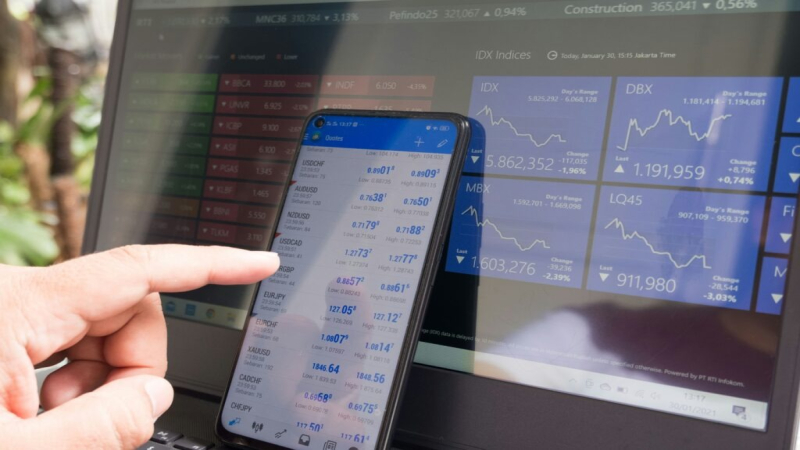
Cross border settlement networks are beginning to integrate automated FX hedging tools directly into stablecoin transfer flows, marking a significant advancement in how institutions manage currency exposure during international transactions. These integrations are meant to reduce slippage, improve liquidity predictability, and ensure that the value of stablecoin transfers remains stable from initiation through settlement. For institutions operating across multiple currency zones, the ability to manage FX risk within the settlement process offers operational and strategic advantages.
Stablecoins have become increasingly popular in global transfers due to their speed, transparency, and reliable on chain settlement. However, cross border payments frequently involve currency exposure when the underlying value is denominated in one currency but deployed in another jurisdiction. Automated FX hedging layers address this challenge by protecting the transfer against exchange rate volatility in real time. As adoption of digital settlement systems grows, integrated hedging functionality is becoming a necessary feature rather than an optional one.
Embedded hedging tools strengthen settlement reliability
The integration of automated FX hedging directly into settlement rails allows institutions to lock in exchange rates at the time of transfer. This ensures that the recipient receives a predictable value regardless of market fluctuations during the settlement window. Institutions that rely on stablecoins for operational or treasury transfers benefit from reduced uncertainty and more efficient risk allocation.
Embedded hedging mechanisms use pre programmed execution logic to trigger hedging trades when a transfer is initiated. These trades can be routed through liquidity providers or FX desks that support real time pricing. This automation reduces the need for manual intervention and enhances accuracy, especially when handling large transfers with narrow tolerance for deviation. For firms processing frequent cross border payments, the availability of automated tools simplifies workflows and minimizes operational overhead.
Treasury teams gain more precise control over currency exposure
Corporate treasury departments stand to benefit significantly from automated hedging features within settlement networks. Treasury teams often manage payments across regions where local expenses differ from the currency in which revenue is generated. Stablecoin based settlement tools provide speed, while automated FX hedging adds the transparency and predictability necessary for accurate forecasting.
By integrating hedging at the point of transfer, treasury teams can avoid off platform FX conversions that introduce additional cost and complexity. The ability to manage exposure in real time helps reduce liquidity buffer requirements and supports more precise cash allocation. Automated hedging also creates an auditable process that aligns with internal compliance frameworks, making it easier for firms to document and justify risk management decisions.
FX liquidity providers support on chain hedging models
The expansion of automated hedging capabilities is supported by FX liquidity providers that are adapting their services to digital settlement environments. These providers offer the pricing infrastructure and execution pathways necessary for on chain hedging tools to function effectively. Their participation ensures that hedging transactions reflect accurate market conditions and can be executed at competitive spreads.
As more FX providers integrate with digital settlement rails, the range of supported currencies is expected to grow. This expansion would make hedging accessible for firms operating in emerging markets where traditional cross border transfers face higher friction. The interaction between stablecoin settlement and FX liquidity deepens the connectivity between digital finance and conventional currency markets, allowing institutions to move capital across jurisdictions with greater confidence.
Settlement networks evolve toward full service financial platforms
The introduction of automated FX hedging is part of a broader shift in how settlement networks are designed. Early digital settlement systems focused primarily on transferring value quickly and securely. The current generation is evolving into full service platforms that incorporate liquidity management, compliance tools, and integrated financial functions. Automated hedging marks another step toward creating flexible, institution grade infrastructure capable of handling complex transaction requirements.
These developments align with the needs of institutions that expect settlement systems to match the rigor and reliability of traditional financial networks. The combination of transparent on chain settlement and built in risk management tools enables firms to use stablecoins more strategically for treasury operations, vendor payments, and cross border flows. As settlement networks incorporate additional features, they become more attractive to financial institutions exploring modern alternatives to legacy payment systems.
Conclusion
Automated FX hedging within cross border settlement rails represents a meaningful advancement in stablecoin based payment infrastructure. By reducing currency risk and improving settlement predictability, these tools support more reliable and scalable use of stablecoins in international financial operations. As FX liquidity providers and institutional networks continue to integrate hedging capabilities, cross border settlement is becoming more efficient, transparent, and aligned with the needs of global financial participants.