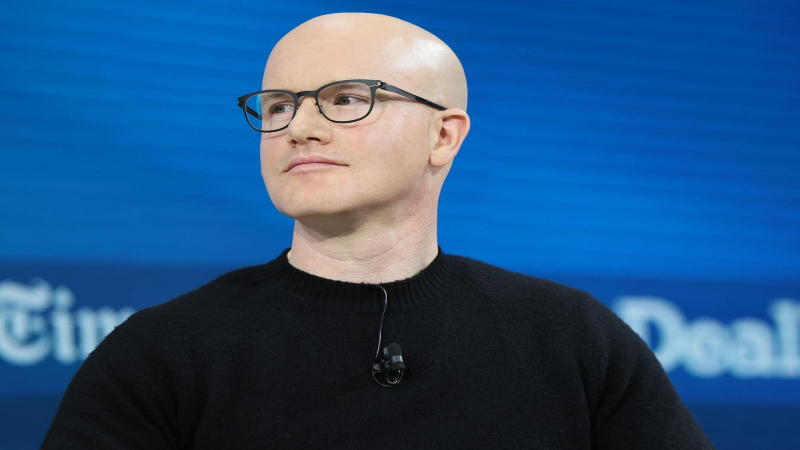
Tensions between the crypto industry and traditional banking surfaced publicly in Davos after Coinbase chief executive Brian Armstrong encountered resistance from senior leaders of major U.S. banks while discussing pending crypto legislation. During meetings around the World Economic Forum, Armstrong sought to lobby against a Senate market structure bill that could reshape how stablecoin products operate in the United States. According to people familiar with the discussions, executives from several top banks were unreceptive, underscoring a growing divide between digital asset firms and traditional finance. Armstrong has argued that the bill, known as the Clarity Act, risks limiting innovation by restricting stablecoin rewards, which allow users to earn yield on token holdings. The pushback highlights how stablecoins are increasingly seen by banks as competitive products rather than experimental technology, particularly as they begin to resemble interest-bearing accounts.
At the center of the dispute is the role of stablecoin rewards and who should be allowed to offer them. Armstrong has said traditional banks are lobbying to curb these rewards because they could draw deposits away from banks and disrupt lending models built on customer balances. Stablecoin rewards can offer yields of up to 3.5 percent, often exceeding rates available on conventional savings accounts. Bank executives, however, argue that such products blur the line between regulated banking and unregulated finance, raising concerns about systemic risk and consumer protection. The Clarity Act is expected to set clearer boundaries around which institutions can issue stablecoins and under what regulatory framework. For crypto firms like Coinbase, the outcome could determine whether they can continue offering yield-based stablecoin products at scale or face restrictions similar to those imposed on banks.
Despite the sharp rhetoric, the relationship between crypto platforms and traditional finance remains complex rather than purely adversarial. Coinbase continues to maintain partnerships with major financial institutions, including JPMorgan Chase and Citigroup, suggesting cooperation alongside competition. Market observers say the Davos episode reflects a struggle over influence as digital finance matures and regulatory frameworks solidify. While banks seek to protect deposit-based models, crypto firms argue that innovation and consumer choice should not be constrained to preserve legacy systems. As lawmakers weigh the Clarity Act, the confrontation signals that the next phase of digital finance in the U.S. will be shaped not just by technology, but by how power is negotiated between established banks and emerging crypto platforms.