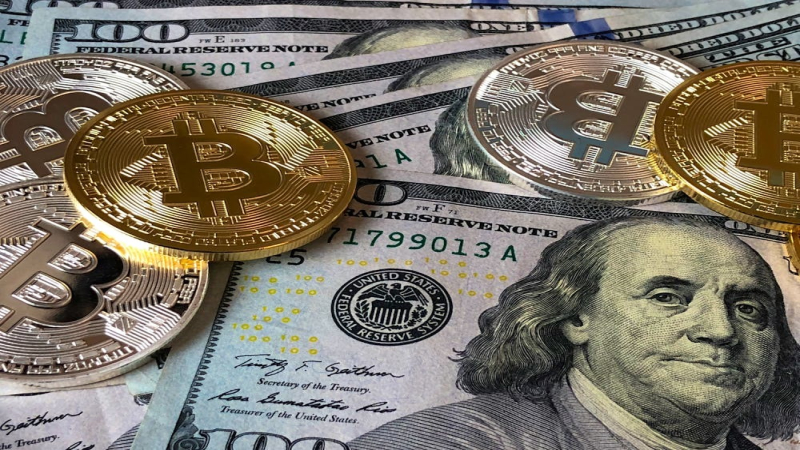
The global financial system is entering a critical phase as the long-standing dominance of the United States dollar faces growing competition from blockchain-based stablecoins. For nearly eight decades, the dollar has been the central pillar of international trade and reserve holdings. Yet, as digital assets evolve into credible financial instruments, their growing liquidity and accessibility are beginning to challenge the traditional system.
The question shaping the next chapter of global finance is whether the dollar can maintain its supremacy in an era of instant digital payments and decentralized liquidity. This competition reflects not just technological change but a broader shift in how nations, institutions, and investors manage value in a world that is becoming increasingly digital and interconnected.
The Rise of Stablecoin Liquidity
Stablecoins have become one of the fastest-growing segments in the digital asset market. These blockchain-based tokens, pegged to fiat currencies, combine the stability of traditional money with the efficiency of decentralized technology. Their rise has been fueled by the need for faster, cheaper, and more transparent ways to transfer value across borders.
Institutions and businesses are adopting stablecoins as settlement tools for trade, payments, and investments. They offer instant transfer and on-chain verification, eliminating many of the bottlenecks that exist in legacy banking systems. This speed and transparency have made stablecoins increasingly relevant in global liquidity networks, especially in regions where access to stable financial infrastructure is limited.
Stablecoins also play a growing role in financial markets. Many are backed by short-term U.S. Treasuries, meaning that while they represent an innovation in technology, they are also reinforcing the dollar’s global footprint through digital means. This duality highlights how stablecoins can strengthen the traditional financial system even as they redefine its structure.
Dollar Strength and Institutional Confidence
Despite the growth of stablecoins, the dollar continues to serve as the foundation of global trade and investment. Its dominance is supported by deep financial markets, the reliability of U.S. institutions, and the liquidity of dollar-denominated assets. Central banks still hold the majority of their reserves in dollars, reflecting long-standing confidence in its stability and governance.
The dollar also remains the preferred currency for commodities, sovereign debt, and international transactions. Even the largest stablecoins are predominantly backed by dollar reserves, reinforcing the currency’s influence across digital networks. This means that the current wave of digital liquidity is still closely tied to the dollar’s strength, rather than replacing it outright.
However, the growing independence of stablecoin ecosystems presents a potential turning point. As tokenized assets evolve to hold reserves in a wider range of instruments, they may begin to develop their own liquidity systems, partially decoupled from traditional dollar frameworks. This could gradually reshape how value flows between global markets.
Regulatory Shifts and Policy Adaptation
The evolution of digital liquidity is prompting governments to rethink monetary policy and financial regulation. Stablecoins have grown large enough to attract significant attention from central banks and international institutions. Policymakers are working to establish frameworks that protect consumers while supporting innovation in cross-border finance.
In the United States, proposed stablecoin legislation is focused on defining clear standards for reserve transparency and redemption rights. Europe’s Markets in Crypto-Assets regulation is introducing similar measures, requiring full backing and strict oversight of digital issuers. These policies aim to ensure that stablecoins can operate safely within existing financial systems.
For emerging economies, regulated stablecoins provide an opportunity to access global liquidity without the delays and costs of traditional intermediaries. At the same time, central banks are exploring digital currencies of their own, known as CBDCs, which could coexist with private stablecoins and reinforce monetary sovereignty.
This alignment between public and private sectors indicates that regulation will play a decisive role in shaping how stablecoins interact with the global dollar system.
The Future of Reserve Currency Dynamics
By 2026, the financial landscape may look very different from today. Rather than one dominant system replacing another, the future could involve coexistence between traditional reserve currencies and digital liquidity networks. The dollar may continue to serve as the benchmark for stability, while stablecoins become the operational backbone for real-time payments and settlements.
Institutions are already experimenting with models where tokenized dollars circulate within programmable financial systems. This structure allows the dollar to maintain its global role while benefiting from blockchain’s technological advantages. At the same time, new regional stablecoins are emerging, giving countries greater control over their domestic liquidity and cross-border trade flows.
The eventual balance between these systems will depend on trust, regulation, and interoperability. If stablecoins maintain transparency and compliance, they will continue to attract institutional use. Meanwhile, the dollar’s role as the ultimate store of value and policy anchor will likely remain intact, even in a digital-first economy.
Conclusion
The contest between dollar dominance and stablecoin liquidity is not about one replacing the other but about how both adapt to a rapidly changing financial environment. The dollar’s strength lies in stability and global trust, while stablecoins bring efficiency and accessibility to digital markets. Together, they are building a hybrid system where traditional finance meets technological innovation. As we move toward 2026, the most successful economies will be those that integrate both systems, balancing the resilience of the dollar with the agility of stablecoin liquidity.