As artificial intelligence continues to dominate venture capital funding and media attention, questions have surfaced about whether crypto is losing relevance. However, Haseeb Qureshi of Dragonfly argues that the comparison misunderstands how the two sectors function.
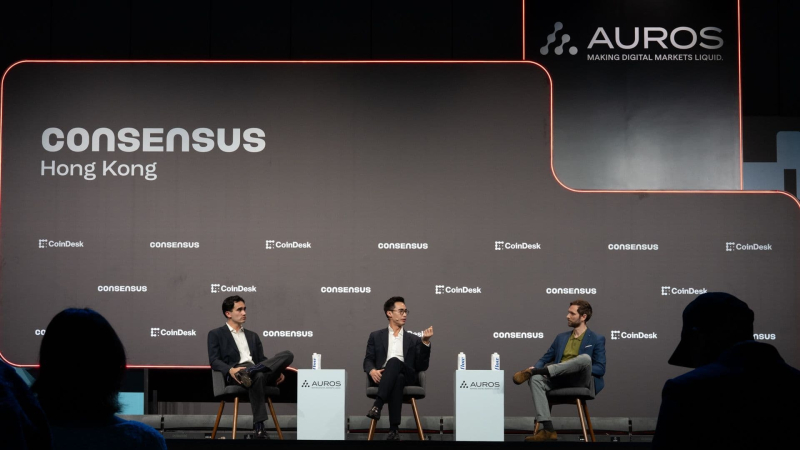
Speaking at a recent industry event, Qureshi rejected the idea that crypto has missed its breakout moment while AI surges ahead. He noted that consumer adoption metrics between the sectors are fundamentally different. Most AI tools offer free access tiers, allowing millions of users to experiment without financial commitment. In contrast, participation in crypto typically requires purchasing assets such as Bitcoin or Ethereum, creating a higher barrier to entry.
Qureshi pointed out that while a large percentage of Americans have tried AI tools, a significant share have owned or interacted with crypto assets, calling that level of ownership a mass market phenomenon. He emphasized that stablecoin usage continues to expand globally regardless of price volatility, highlighting steady year over year growth in supply as evidence of real world utility.
Venture funding trends show capital flowing heavily into AI startups, but Qureshi views that as a natural cycle rather than a permanent shift away from digital assets. He described capital as a leading indicator driven by momentum and opportunity rather than a verdict on long term viability. In his view, recent contraction in crypto investment reflects market correction after years of rapid expansion.
Dragonfly recently announced a 650 million dollar fund aimed at backing crypto projects during the downturn. Qureshi framed the move as strategic, arguing that deploying capital during lower valuations can offer stronger long term returns compared to investing at peak market enthusiasm.
On the intersection of AI and blockchain, Qureshi urged caution. While some crypto projects promote AI agent integration and tokenized automation narratives, he suggested that meaningful convergence between the technologies will likely take years to mature. He also dismissed concerns that crypto has become overly aligned with traditional finance, stating that open blockchain networks remain neutral infrastructure accessible to all participants.
Market volatility, Qureshi said, is not a new phenomenon. The crypto industry has experienced repeated boom and bust cycles driven by regulatory shifts, macroeconomic forces, and technological developments. He argued that short time horizons and sentiment swings often amplify perceptions of crisis.
Despite current uncertainty, Qureshi maintains that core fundamentals such as global payments use cases and decentralized infrastructure remain intact. Rather than viewing AI’s rise as a threat, he characterizes the current environment as capitalism reallocating capital toward emerging opportunities while crypto continues its longer term development cycle.