European regulators are paying closer attention to the growing influence of dollar backed stablecoins as the European Central Bank continues to assess how digital assets interact with broader economic conditions. Dutch central bank governor Olaf Sleijpen stated that the accelerating size of the stablecoin market could eventually shape financial stability and even influence inflation pathways across the euro area. He noted that periods of market stress could force issuers to sell reserve assets at speed, creating liquidity pressure across multiple segments of global markets. Such outcomes could challenge core monetary policy tools at a time when the European economy is already managing cross currents in trade, inflation and credit demand. Data shows significant growth in the stablecoin sector this year, including steep increases in the market share of major dollar linked tokens. As this expansion continues, Sleijpen suggested that the ECB may need to evaluate whether stablecoins have reached a scale where their performance directly influences macroeconomic forecasting and policy decision making for the eurozone.
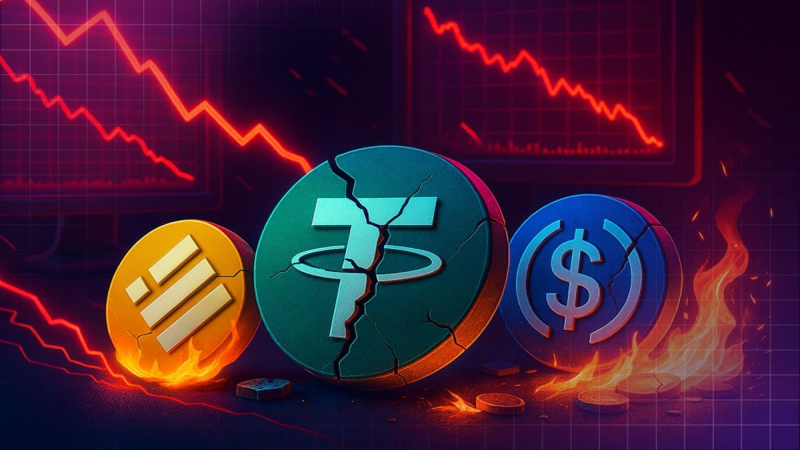
The rapid rise in dollar backed stablecoins has intensified concerns within European institutions regarding the long term impact on monetary sovereignty and payment system resilience. Senior officials across the continent have repeatedly warned that foreign denominated digital tokens could become widely used across European commerce without adequate oversight or integration into domestic regulatory frameworks. Market data indicates that both USDt and USDC have grown substantially over the past year, contributing to a stablecoin market capitalization that has climbed near three hundred ten billion dollars. Forecasts from regulatory bodies estimate that the sector could approach two trillion dollars by 2028 if current trends continue. Policymakers fear that such growth could allow fluctuations in stablecoin liquidity or reserve composition to ripple into European financial conditions. Several officials have argued that a digital euro could serve as a counterweight by maintaining a European issued settlement asset that operates across retail and institutional channels.
In addition to the macro level discussions, regulators are evaluating the operational risks that stablecoin issuers present when market conditions deteriorate. If large issuers were to unwind reserves rapidly, financial contagion could spread into interest rate markets, corporate credit, and government bonds across multiple jurisdictions. Economists have also warned that governments could face bailout pressure in the event of a major stablecoin failure. These concerns are emerging during a period of rising institutional engagement with digital assets and the integration of tokenized instruments across financial infrastructure. European authorities are therefore considering whether new supervisory tools are required to monitor reserve management practices, cross border flows and liquidity risks linked to large offshore stablecoins. As the role of stablecoins within global markets expands, the potential for systemic influence in Europe has become a central point of debate among policymakers seeking to preserve monetary stability while balancing innovation with prudent oversight.