Introduction
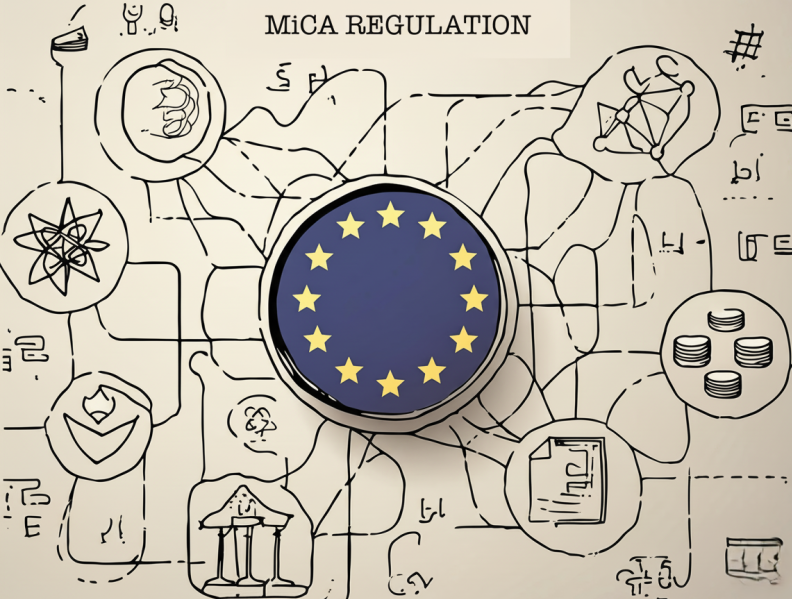
The European Union’s Markets in Crypto-Assets (MiCA) regulation, adopted in April 2023, is poised to fundamentally reshape the regulatory landscape for stablecoin issuers operating within the EU. Full implementation is anticipated by late 2024, and the regulation introduces a comprehensive framework designed to promote innovation while simultaneously ensuring consumer protection, market integrity, and financial stability. MiCA addresses a wide range of issues, including asset-referenced tokens, electronic money tokens, and other crypto-assets, setting clear standards for reserve management, governance, disclosures, and operational compliance. Stablecoin issuers, in particular, face rigorous requirements designed to maintain the stability of their tokens and protect investors. This blog examines the key provisions of MiCA, explores its implications for stablecoin issuers, discusses how companies like Coinbase are positioning themselves in response, and highlights the potential consequences for the broader digital asset ecosystem in Europe and globally. Analysts suggest that MiCA’s uniform standards may also influence regulatory frameworks in other regions, making it a benchmark for global stablecoin compliance.
Overview of MiCA
MiCA is designed to provide a harmonized regulatory framework across all EU member states, replacing the patchwork of national laws that previously applied to crypto-assets. It mandates that any company providing crypto-asset services including custody, trading, advisory, and issuance register with national regulators and adhere to organizational, operational, and conduct standards. These standards include robust risk management procedures, client asset protection protocols, and transparency requirements to prevent conflicts of interest. For crypto-asset issuers, MiCA requires detailed disclosure through official “whitepapers” that explain the rights and obligations associated with the token, as well as the risks involved. Stablecoin issuers face additional scrutiny, including obligations to maintain a minimum reserve ratio, ensure liquidity to meet redemption demands, and implement governance mechanisms that guarantee stability. Analysts note that these measures will create a safer and more predictable environment for investors while supporting the long-term growth of digital assets in the EU. MiCA also establishes enforcement powers for regulators, enabling them to issue penalties or suspend operations if compliance standards are breached, which introduces a strong incentive for issuers to adopt rigorous internal controls.
Impact on Stablecoin Issuers
Under MiCA, stablecoin issuers such as Circle and Tether are required to maintain sufficient reserves to meet all redemption requests, thereby mitigating liquidity risks and ensuring the stability of their tokens. Monthly disclosure of reserve composition is mandatory, along with public reporting of any events that could materially affect token value or reserve integrity. These measures are intended to enhance transparency and market confidence, assuring both retail and institutional participants that the tokens are backed by high-quality, liquid assets. The regulation also stipulates that reserve assets must predominantly consist of cash or highly secure financial instruments such as government securities, reducing exposure to high-risk or illiquid assets. Analysts suggest that MiCA will compel stablecoin issuers to adopt more disciplined reserve management practices, including regular internal audits, scenario stress testing, and contingency planning, all of which strengthen the resilience of the stablecoin ecosystem. The standardization of reserve reporting also facilitates greater comparability between issuers, enabling investors and counterparties to make informed decisions based on transparent and consistent data.
Implications for Coinbase
Coinbase, one of the largest digital asset platforms globally, has actively aligned its operations with MiCA’s requirements, demonstrating proactive compliance and regulatory engagement. In June 2025, Coinbase secured its MiCA license in Luxembourg, allowing it to provide regulated retail and institutional services across all 30 European Economic Area member states. This strategic positioning ensures that Coinbase can continue operating without interruption while adhering to MiCA’s stringent reserve, reporting, and governance standards. By securing early licensing, Coinbase gains a competitive advantage in the EU market, enhancing trust with regulators, institutional investors, and retail customers alike. Analysts note that Coinbase’s approach illustrates the importance of regulatory foresight in digital asset operations, as companies that adapt to evolving frameworks early are more likely to maintain market leadership and attract institutional capital. The company’s compliance with MiCA also reinforces the credibility of stablecoins listed on its platform, further promoting the adoption of regulated digital assets in Europe.
Broader Industry Impact
The introduction of MiCA is expected to have a broad and lasting effect on the entire digital asset industry. By establishing consistent rules across all EU member states, MiCA reduces fragmentation in the regulatory landscape, providing issuers with clarity and predictability. This framework is anticipated to stimulate innovation by providing legal certainty for new products, including stablecoins, tokenized assets, and decentralized financial services. Global observers suggest that MiCA’s emphasis on transparency, reserve adequacy, and governance could become a model for other jurisdictions seeking to regulate digital assets without stifling innovation. The requirement for clear disclosures and independent attestations promotes investor confidence and mitigates systemic risk, especially given the increasing institutional participation in stablecoins. Analysts also highlight that MiCA could influence cross-border payment systems, as compliant stablecoins may increasingly be used for international settlements, creating opportunities for interoperability and efficiency across global financial networks.
Conclusion
The phase-in of the EU’s MiCA regulation represents a pivotal moment for stablecoin issuers and the broader digital asset ecosystem. By introducing comprehensive, harmonized, and enforceable regulations, MiCA balances innovation with investor protection and financial stability. Issuers must now prioritize robust reserve management, transparent reporting, and strong governance mechanisms to comply with MiCA’s standards. Companies like Coinbase that have proactively engaged with the regulatory framework are well-positioned to capitalize on the opportunities presented by the European market. As MiCA moves toward full implementation, stablecoin issuers, investors, and industry stakeholders must carefully adapt to the evolving landscape to ensure compliance, maintain credibility, and foster sustainable growth. Analysts predict that MiCA will not only shape the European stablecoin market but also serve as a benchmark for global digital asset regulation, influencing practices in other regions and encouraging international standardization in transparency, reserve management, and operational oversight.