A consortium of 12 European banks is accelerating efforts to bring the euro onto blockchain infrastructure, warning that the absence of a strong euro based stablecoin could lead to increasing dominance of dollar backed tokens in digital finance. The initiative, led by Qivalis, reflects growing concern that financial activity onchain is rapidly consolidating around dollar denominated assets. Industry leaders argue that without a deep and liquid euro alternative, Europe risks losing influence over the next phase of global financial systems increasingly built on blockchain rails.
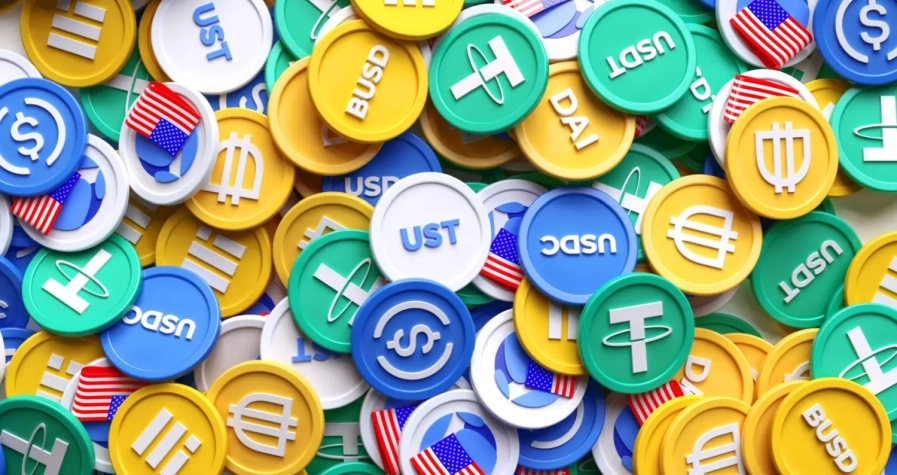
The push comes as stablecoins continue to expand beyond crypto trading into payments, settlements, and institutional finance. Dollar pegged tokens such as USDT and USDC have already established a dominant presence across decentralized finance and cross border transactions. European banks see this as a structural risk, as the lack of euro denominated liquidity onchain could shift financial flows toward the dollar by default. The consortium’s goal is to create a widely adopted euro stablecoin that can compete effectively in global blockchain based markets.
Qivalis is being developed under Europe’s regulatory framework for digital assets, positioning it as a compliant and institutionally backed alternative. The project aims to become the default euro token across public blockchains, enabling seamless settlement and liquidity for euro based transactions. Unlike experimental crypto initiatives, the consortium is focused on building infrastructure that integrates with existing financial systems while maintaining regulatory oversight. The launch is expected in the second half of the year, subject to final approvals, with banks coordinating to ensure sufficient liquidity from the outset.
The initiative is also designed to complement, rather than compete with, broader monetary developments such as the digital euro being explored by the European Central Bank. While central bank digital currencies focus on retail and wholesale payment systems, privately issued stablecoins like Qivalis are positioned to drive innovation in capital markets and decentralized finance. By enabling euro denominated assets to circulate efficiently on blockchain networks, the project aims to preserve the currency’s role as a major global reserve in an increasingly digital financial environment.
Market projections indicate that the stablecoin sector could grow significantly in the coming years, potentially reaching well beyond its current scale as adoption expands across industries. European banks are responding to this shift by prioritizing infrastructure that ensures the euro remains competitive in both traditional and digital markets. As blockchain based finance continues to evolve, the success of euro stablecoin initiatives may play a critical role in determining whether the currency can maintain its global relevance alongside the rising influence of dollar backed digital assets.