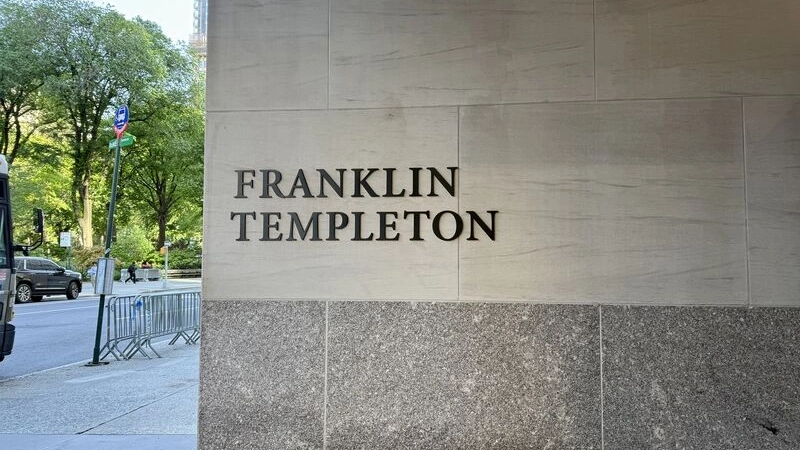
Franklin Templeton is accelerating its move into blockchain based finance by partnering with Ondo Finance to bring a new set of tokenized investment products to market. The initiative will see five funds, including equity strategies and a gold backed product, issued in tokenized form for digital native investors. This development reflects a growing shift among major asset managers toward integrating traditional financial products with blockchain infrastructure, enabling access through digital wallets rather than conventional brokerage systems.
The tokenized funds are designed to operate onchain, allowing continuous trading and broader integration with decentralized finance platforms. Unlike traditional markets that operate within fixed hours, these assets will be available around the clock, offering greater flexibility for investors. Liquidity for the tokens will be supported by market makers, ensuring that trading can continue even when underlying markets are closed. This approach aims to bridge the gap between traditional financial instruments and the always active nature of blockchain based systems.
The structure of the offering involves holding the underlying assets while issuing corresponding tokens that represent ownership. This model ensures that the value of the tokens remains linked to real world assets, providing a level of transparency and security that aligns with institutional standards. By using this framework, Franklin Templeton is extending its existing tokenization strategy, which has already positioned the firm as an early adopter within the sector. The move builds on previous efforts to bring regulated financial products onto blockchain networks.
The expansion into tokenized funds highlights increasing demand from investors who prefer digital first access to financial products. As blockchain adoption grows, more users are seeking ways to manage investments within decentralized ecosystems while maintaining exposure to traditional asset classes. Tokenization allows these assets to be used in new ways, including as collateral or within automated financial strategies, creating additional utility beyond standard investment use. This evolving functionality is attracting both retail and institutional interest.
The partnership also underscores a broader trend where financial institutions are exploring new models for delivering investment products in a more efficient and accessible manner. By combining established asset management expertise with blockchain technology, firms are working to modernize how capital markets operate. As tokenization continues to expand across different asset classes, initiatives like this are expected to play a key role in shaping the future of financial markets and how investors interact with them.