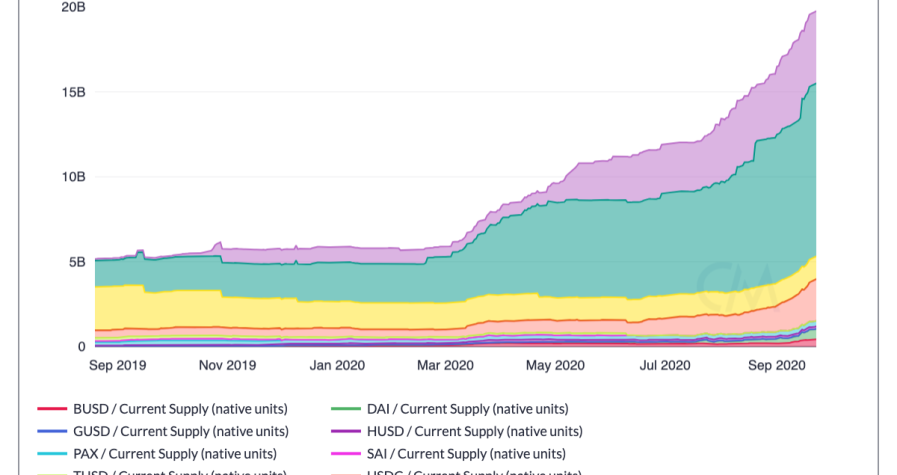
Stablecoins are no longer evaluated by institutions as niche crypto instruments. They are increasingly assessed as financial tools that interact directly with liquidity management, settlement processes, and regulatory obligations. This shift has changed how institutions approach due diligence. Convenience and market popularity are no longer sufficient. Evaluation now centers on whether a stablecoin can operate safely within institutional systems.
Institutions apply structured frameworks when assessing stablecoins. These frameworks resemble how traditional financial instruments are reviewed, with a strong emphasis on liquidity reliability, risk exposure, and compliance readiness. Each dimension must meet internal standards before a stablecoin can be approved for operational or treasury use.
This evaluation process reflects the broader institutional mindset. Stablecoins are judged not by innovation alone, but by their ability to perform consistently under normal and stressed market conditions.
Liquidity Is the First Institutional Test
Liquidity is the most immediate concern for institutions. A stablecoin must be redeemable at predictable value and within acceptable timeframes. Institutions assess whether redemption mechanisms function reliably and whether underlying reserves can support large scale withdrawals without disruption.
Depth of liquidity across markets is also critical. Institutions examine where and how a stablecoin trades, including the availability of primary and secondary liquidity venues. A stablecoin that depends on limited or fragmented liquidity introduces operational risk during periods of stress.
Institutions also consider liquidity behavior during past market volatility. While history is not a guarantee, it provides insight into how redemption processes perform under pressure. Stablecoins that demonstrate consistent liquidity management are more likely to pass institutional review.
Risk Assessment Goes Beyond Price Stability
Price stability is necessary but not sufficient. Institutions evaluate a range of risks associated with stablecoin usage. These include counterparty risk, operational risk, legal risk, and settlement risk.
Reserve composition is central to this assessment. Institutions analyze what assets back a stablecoin, how liquid those assets are, and how they are held. Conservative and transparent reserve structures align more closely with institutional risk tolerance.
Operational resilience is another key factor. Institutions assess the issuer’s ability to maintain systems, manage incidents, and ensure continuity. A stablecoin may hold stable value, but operational failures can still disrupt settlement and liquidity flows.
Compliance Determines Usability at Scale
Compliance considerations often determine whether a stablecoin can move beyond pilot programs. Institutions operate within strict regulatory frameworks and require assurance that stablecoin usage aligns with applicable laws and supervisory expectations.
This includes evaluating licensing status, regulatory oversight, and reporting obligations. Institutions prefer stablecoins that operate within clearly defined regulatory regimes rather than uncertain jurisdictions.
Transparency supports compliance. Regular disclosures, independent attestations, and clear governance structures make it easier for institutions to satisfy internal and external oversight requirements. Stablecoins that lack transparency face higher approval barriers regardless of market adoption.
Integration With Institutional Controls
Even a liquid and compliant stablecoin must integrate smoothly into existing systems. Institutions evaluate how stablecoins interact with accounting, treasury, risk management, and reporting infrastructure.
Compatibility with internal controls reduces operational friction. Stablecoins that can be incorporated into established workflows require fewer exceptions and manual processes. This lowers costs and improves scalability.
Institutions also assess whether stablecoins support auditability. Clear transaction records and consistent data formats enable reconciliation and regulatory reporting. Integration is not about convenience. It is about maintaining control and accountability.
Why Institutions Apply Conservative Standards
Institutional evaluation frameworks are intentionally conservative. The goal is not to maximize flexibility but to minimize unintended exposure. Stablecoins that meet these standards are more likely to be used for settlement, treasury operations, and liquidity management.
This conservatism also reflects reputational considerations. Institutions must protect client trust and regulatory relationships. Stablecoin usage that introduces uncertainty can undermine both.
As a result, only a subset of stablecoins meets institutional requirements. This selectivity shapes market structure and encourages higher standards across the ecosystem.
Conclusion
Institutions evaluate stablecoins through a disciplined framework focused on liquidity reliability, comprehensive risk assessment, and regulatory compliance. Price stability alone is not enough. Stablecoins must integrate into institutional controls and perform predictably under stress. As adoption expands, these evaluation standards are defining which stablecoins become trusted financial tools and which remain limited to narrower use cases.