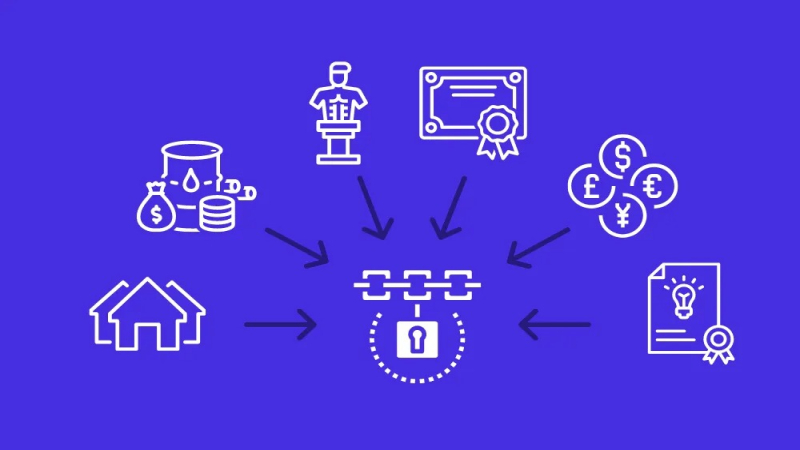
Tokenization platforms are rapidly becoming essential components of cross border settlement systems, offering faster processing, stronger traceability, and improved operational efficiency. As institutions evaluate these platforms, the focus is shifting toward identifying which solutions are truly ready for global settlement use. Settlement readiness requires more than technical capability. It encompasses governance quality, regulatory compatibility, interoperability, and the ability to handle institutional scale operations. For institutions planning long term digital strategies, understanding how to assess these factors is crucial.
Cross border settlement introduces additional complexities, including varied regulatory environments, different compliance regimes, and operational dependencies across multiple financial systems. A tokenization platform must demonstrate that it can navigate these requirements while maintaining security and stability. Institutions evaluating such platforms need structured criteria to identify solutions that can support real world financial activity without introducing operational risk.
Key indicators of settlement readiness for tokenization platforms
The most important indicator of cross border readiness is interoperability. A tokenization platform must be able to communicate seamlessly with other networks, legacy systems, and settlement infrastructures across jurisdictions. Without interoperability, institutions face fragmentation and limited functionality, reducing the benefits of tokenized settlement. Platforms that support standardized messaging formats, cross network communication layers, and modular integration tools provide a more flexible foundation for global operations.
Another critical factor is the platform’s ability to maintain settlement finality. Cross border transfers require assurance that once a transaction is confirmed, it cannot be reversed except through established procedures. This protects both participants and intermediaries involved in the settlement chain. Platforms must demonstrate clear processes for guaranteeing finality, monitoring transaction validity, and safeguarding against operational failures.
Evaluating governance structures and operational resilience
Strong governance is essential for any platform used in cross border settlement. Institutions must review how the platform manages decision making, technical upgrades, and dispute resolution. Governance frameworks should be transparent and supported by clear accountability mechanisms. Platforms with well defined governance practices offer greater predictability and reduce risks associated with inconsistent operations.
Operational resilience is equally important. Institutions should assess how the platform handles system stress, network disruptions, and unexpected volume spikes. A settlement ready platform must demonstrate reliable uptime, consistent transaction performance, and robust security frameworks. Regular testing, continuous monitoring, and transparent reporting all contribute to institutional confidence in the platform’s readiness.
Reviewing regulatory alignment and jurisdictional flexibility
Cross border settlement requires compliance with regulatory standards across multiple regions. Institutions must evaluate whether a tokenization platform can accommodate jurisdiction specific requirements for data protection, reporting, identity verification, and transaction monitoring. Platforms that provide configurable compliance tools or support integration with regulatory reporting services are more suitable for global financial operations.
Regulatory flexibility also matters. A platform operating across borders should be able to adapt to changes in legal frameworks without disrupting settlement processes. Institutions should look for platforms that maintain ongoing dialogue with regulators, publish compliance updates, and align with international principles for digital financial services. This reduces operational risk and improves scalability.
Infrastructure scalability and institutional capacity
A settlement platform must operate at institutional scale, supporting high transaction volume, low latency, and predictable processing time. Institutions evaluating platforms should analyze performance metrics, including throughput capacity, average settlement time, and behavior during peak activity. Platforms that cannot maintain stable performance under load may introduce settlement delays or operational risks during cross border operations.
Scalability also involves the ability to support multiple asset types and settlement models. Many institutions require platforms capable of tokenizing cash, securities, or collateral instruments within the same framework. Platforms with flexible architecture make it easier for institutions to expand their use cases without implementing multiple isolated systems.
Conclusion
Assessing tokenization platforms for cross border settlement readiness requires careful evaluation of interoperability, governance, regulatory alignment, and scalability. Institutions that apply structured criteria can identify platforms capable of supporting secure, efficient, and compliant global settlement processes. As tokenized financial infrastructure continues to expand, settlement ready platforms will play a central role in modernizing cross border financial activity.