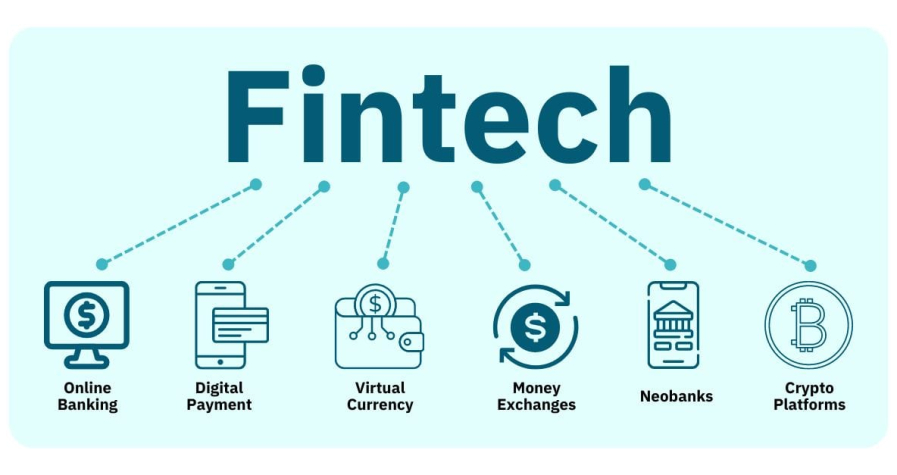
Custody solutions are the backbone of institutional adoption of stablecoins, ensuring safekeeping, compliance, and operational efficiency.
Introduction
Stablecoins have become integral to institutional finance, powering settlement systems, treasury operations, and decentralized finance (DeFi) allocations. However, for large-scale adoption, one element stands above all others: custody. Institutions require secure, compliant, and transparent custody solutions to safeguard billions in digital assets.
Unlike retail users who manage wallets independently, institutions operate under strict governance. Custody is not just about holding private keys. It involves segregation of accounts, insurance, regulatory oversight, and integration with trading and compliance systems. This guide provides a comprehensive overview of institutional custody solutions for stablecoins, their features, applications, and best practices.
Why Custody Matters for Institutions
Security
Stablecoins may be digital, but theft, hacks, and mismanagement remain real risks. Custody providers implement safeguards such as multi-signature wallets and cold storage.
Compliance
Regulators demand transparency in custody arrangements. Institutions must prove that reserves are safe, auditable, and segregated from operational funds.
Operational Efficiency
Custody solutions integrate with dashboards, trading desks, and settlement systems, allowing seamless flows.
Investor Confidence
Boards and investors gain assurance when assets are secured by regulated custodians with insurance coverage.
Core Features of Institutional Custody Solutions
1. Segregated Accounts
Client assets are held separately from operational funds, preventing misuse.
2. Multi-Signature Controls
Transfers require approvals from multiple parties, reducing the risk of internal fraud.
3. Cold and Hot Wallet Integration
Custodians balance accessibility with security, storing most reserves offline while maintaining hot wallets for daily use.
4. Insurance Coverage
Institutional custodians provide insurance against theft, hacks, or operational failures.
5. Compliance Integration
Custody platforms embed AML/KYC checks, sanction screening, and audit reporting.
6. Cross-Chain Support
As stablecoins circulate across chains, custodians manage transfers securely across ecosystems.
Types of Custody Solutions
Centralized Custodians
Banks and regulated financial institutions offer custody under strict oversight. They provide trust and compliance but may limit flexibility.
Specialized Crypto Custodians
Firms built for digital assets offer advanced technology, cross-chain support, and integration with DeFi.
Hybrid Models
Some institutions use a mix of centralized and specialized custodians, balancing compliance and efficiency.
Self-Custody With Institutional Safeguards
Larger funds occasionally deploy self-custody, but with multi-sig approvals and internal compliance systems.
Institutional Applications
Treasury Management
Corporates store stablecoin reserves with custodians, ensuring operational liquidity is secure and accessible.
Hedge Funds and Asset Managers
Funds integrate custody with trading platforms, allowing seamless allocation while maintaining security.
Custodial Market Makers
Liquidity providers rely on custodians to manage reserves across exchanges and protocols.
Regulators and Auditors
Regulators increasingly demand proof of custody to ensure systemic stability.
The Role of Artificial Intelligence in Custody
AI is transforming custody systems by:
Detecting anomalies in transaction requests.
Forecasting liquidity needs for hot wallets.
Enhancing compliance through automated screening.
Predicting systemic risks by analyzing custodian flows.
AI adds a predictive layer to custody, strengthening resilience.
Case Studies
Custodial Failures
Institutions exposed to custodians without segregation of accounts suffered losses during operational failures.
Custodial Success
Funds that adopted regulated custodians with insurance and cross-chain integration navigated stress events without disruption.
These cases highlight why custody remains central to institutional adoption.
Challenges in Institutional Custody
Cost
High-quality custody services are expensive, though often necessary.
Jurisdictional Conflicts
Regulations differ globally, complicating custody for multinational institutions.
Technology Risks
Even advanced systems remain vulnerable to evolving threats.
Integration Complexity
Custodians must integrate smoothly with trading, settlement, and compliance systems.
Best Practices for Institutions
Choose Regulated Custodians
Select providers with strong oversight and insurance.
Diversify Custodial Arrangements
Avoid concentration by spreading assets across multiple custodians.
Integrate With Compliance Dashboards
Ensure custody is linked to monitoring systems for transparency.
Conduct Regular Audits
Audit custody systems quarterly to maintain trust and oversight.
The Future of Custody Solutions
By 2025 and beyond, expect:
Global custody standards harmonizing oversight frameworks.
AI-powered anomaly detection for stronger safeguards.
Integration with CBDCs to unify fiat and digital custody.
Mandatory insurance coverage for systemic custodians.
Custody will not remain a supporting feature. It will become the defining factor that determines which stablecoins and institutions gain long-term trust.