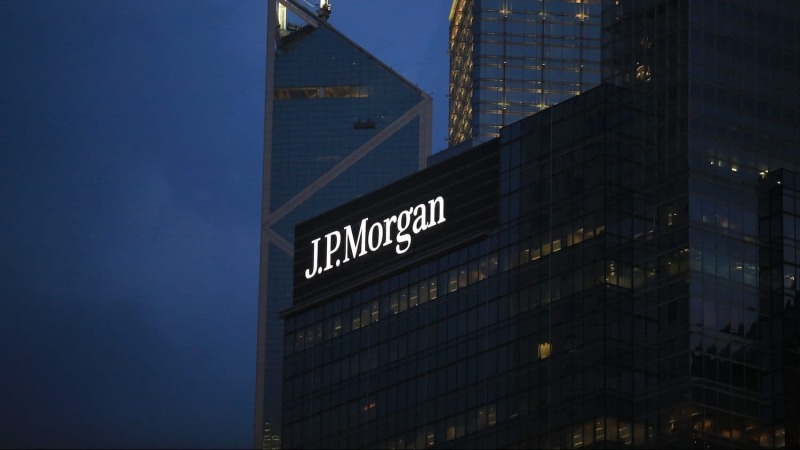
Global capital flowing into digital assets is expected to exceed last year’s record levels as institutional investors reengage with the market in 2026, according to new estimates from JPMorgan. The bank said roughly $130 billion moved into crypto markets in 2025, representing a significant increase from the prior year despite a market pullback in the final quarter. That figure reflects aggregate flows across exchange-traded products, futures positioning, venture capital, and corporate treasury activity. While price momentum softened towardyear’sr end, overall capital allocation remained resilient, underscoring how crypto investment has become more closely tied to structural factors such as regulation, market access, and balance sheet strategy rather than short-term speculative cycles.
JPMorgan noted that the composition of inflows in 2025 was heavily skewed toward retail-linked demand and corporate treasuries rather than traditional institutions. More than half of total inflows were attributed to corporate balance sheet allocations, with a growing number of companies increasing direct exposure to digital assets as part of treasury management. Retail participation was also a major driver, particularly through spot bitcoin and ether exchange-traded products, which attracted sustained inflows for much of the year. In contrast, institutional signals such as futures positioning and hedge fund activity weakened as the year progressed, alongside subdued venture capital investment that favored later-stage deals over early-stage funding. The data suggests that much of last year’s growth came from liquidity-seeking strategies rather than long-horizon institutional mandates.
Looking ahead, JPMorgan expects that dynamic to shift. Analysts see signs that crypto positioning indicators are stabilizing, setting the stage for renewed institutional participation as regulatory clarity improves. Potential progress on U.S. market structure legislation is viewed as a key catalyst that could unlock sidelined capital from asset managers, pension funds, and other long-term allocators. Unlike the retail and treasury-driven flows of 2025, the next phase is expected to emphasize infrastructure, custody, and regulated market access. The outlook reinforces a broader narrative that crypto markets are evolving toward a more institutionally anchored structure, where capital inflows are shaped less by speculative momentum and more by policy certainty, product maturity, and integration into traditional financial portfolios.