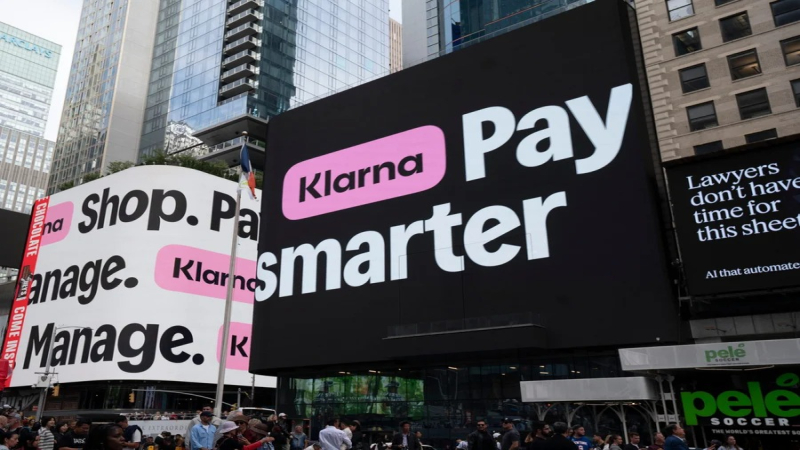
Klarna has unveiled plans to launch its own dollar backed stablecoin, KlarnaUSD, marking a significant strategic shift for the buy now pay later giant and intensifying competition with traditional card networks.
The Swedish fintech, which processes roughly 118 billion dollars in annual gross merchandise value across 114 million customers, will issue KlarnaUSD on Tempo, a blockchain platform backed by Stripe and venture capital firm Paradigm. The initiative represents a notable reversal for Klarna CEO Sebastian Siemiatkowski, who previously voiced skepticism about cryptocurrency’s ability to meet mainstream payment standards.
KlarnaUSD is being developed using Open Issuance infrastructure created by Bridge, a stablecoin platform acquired by Stripe. The token is designed to maintain a fixed one to one value with the U.S. dollar. While the project is currently in a testing phase, a broader mainnet rollout is planned for 2026 following performance and security evaluations.
The move places Klarna more directly in competition with global card networks, which typically charge merchants transaction fees ranging from roughly 1.5 percent to 3.5 percent. Stablecoin settlement offers the potential for faster cross border transfers and reduced intermediary costs, particularly in markets where traditional correspondent banking systems add time and expense.
Stablecoins have become an increasingly important component of digital payments infrastructure. Industry estimates suggest annual stablecoin transaction volumes have reached tens of trillions of dollars, highlighting their growing role in global finance. New regulatory frameworks, including recent U.S. legislation outlining reserve and disclosure standards for stablecoin issuers, have provided greater clarity for financial institutions exploring blockchain based products.
Klarna operates across 26 markets and competes with firms such as Affirm, Afterpay and PayPal in the installment payments sector. By integrating a stablecoin directly into its payments stack, the company could potentially reduce settlement costs for merchants while accelerating fund transfers. Its long standing partnership with Stripe provides technical infrastructure and compliance support, allowing Klarna to test blockchain based transactions without exposing customers to unproven systems.
Tempo gives Klarna early access to blockchain capabilities while enabling performance testing under controlled conditions. This approach allows the firm to measure transaction speed, cost efficiency and security before expanding access to merchants and end users. Klarna has not yet disclosed its fee structure for stablecoin transactions, indicating that pricing decisions will follow testnet evaluations.
Payment providers globally are increasingly experimenting with stablecoin functionality. Firms are integrating tokenized dollars such as USDC to facilitate quicker settlement and reduce reliance on legacy banking rails. If Klarna successfully embeds stablecoin settlement into its merchant ecosystem, it could further pressure card networks that have historically dominated retail payments.
As regulatory clarity improves and blockchain infrastructure matures, Klarna’s entry into the stablecoin market underscores a broader transformation in how digital commerce may be settled. Whether KlarnaUSD materially disrupts card networks will depend on merchant adoption, regulatory compliance and the cost savings delivered during its 2026 rollout.