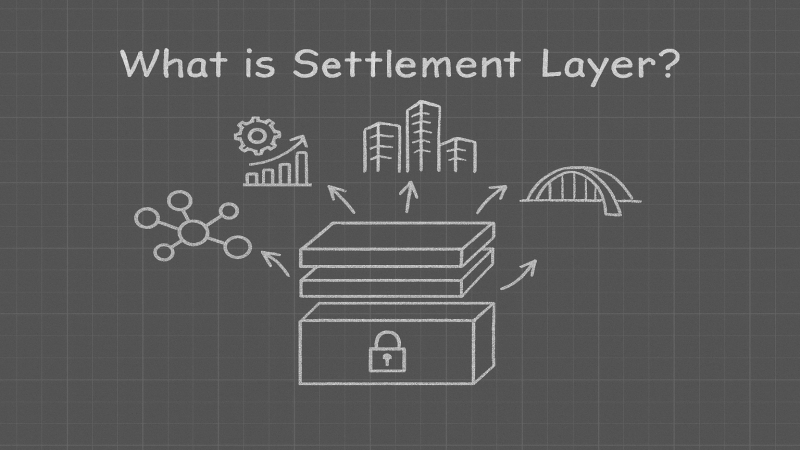
Tokenization platforms have grown rapidly as financial institutions explore digital representations of traditional assets to improve settlement efficiency, liquidity mobility, and transparency. The expansion of these platforms has created a diverse ecosystem where settlement speed, reserve structures, and integration capabilities vary significantly. Understanding these differences is essential for institutions deciding which networks align with their operational, compliance, and liquidity requirements. Tokenized assets are becoming central to modern settlement workflows, and evaluating platforms requires a structured approach.
Institutions now expect tokenization systems to provide reliability similar to established financial market infrastructure. This includes predictable settlement timing, clear visibility into collateral and reserve assets, and the ability to integrate with banking systems that support secure custody and oversight. Mapping the features and performance of tokenization platforms helps market participants determine how these networks fit into internal treasury functions, trading systems, or cross border liquidity strategies.
Settlement speed determines operational usefulness for institutions
One of the primary metrics that differentiates tokenization platforms is settlement speed. Fast settlement reduces counterparty exposure and minimizes operational delays. Platforms designed for high speed settlement can complete transactions within seconds, allowing institutions to update balance sheets more frequently and manage liquidity with greater accuracy. Immediate or near real time settlement is particularly valuable for firms that rely on precise intraday liquidity control or active collateral management.
Settlement speed also influences how effectively tokenized assets can integrate with trading workflows. Markets that depend on rapid transaction cycles require settlement systems that keep pace with order flow. Platforms with slower settlement times may still be suitable for longer duration products but are less aligned with the needs of active market participants. Institutions assess settlement performance to determine whether a platform supports their operational demands and aligns with internal risk tolerance levels.
Reserve transparency impacts trust and adoption
Reserve transparency has become a defining feature for tokenization platforms offering asset backed instruments such as tokenized treasury bills or cash equivalents. Institutions require detailed reporting on the assets supporting tokenized products, including maturity breakdowns, credit quality, and custodial arrangements. Clear reserve transparency helps ensure that tokenized instruments maintain stable value and can be redeemed consistently during periods of elevated demand.
Platforms that provide frequent reporting, independent verification, and standardized documentation attract stronger institutional interest. Transparency supports better risk assessment and simplifies integration with compliance frameworks. When reserve information is unclear or outdated, institutions face difficulty evaluating exposure, which reduces adoption. Mapping transparency practices across platforms helps institutions identify which tokenized assets align with high quality reserve standards expected in regulated financial environments.
Bank integration strengthens settlement reliability
Integration with banking systems is increasingly important as institutions expand their use of tokenized assets. Platforms connected to regulated custodians or banking partners can offer more robust redemption and settlement pathways. These integrations allow tokenized assets to move between traditional accounts and digital networks with minimal friction. Banks provide secure custody for underlying assets, help maintain operational consistency, and ensure compliance with regulatory expectations.
Strong bank integration also supports the development of institutional grade workflows, including automated treasury functions, collateral mobility, and liquidity management. Platforms without these integrations may struggle to support large scale institutional participation. As tokenized finance matures, the alignment between platforms and banking infrastructure is becoming a major factor in evaluating long term viability. Institutions that rely on stable and predictable settlement pathways prioritize platforms that demonstrate strong connectivity with established financial entities.
Comparing platforms through performance and governance structures
Beyond settlement speed, reserve transparency, and bank integration, governance structure is another important dimension when mapping tokenization platforms. Institutions assess how decisions are made within the network, who maintains operational controls, and how risks are escalated. Platforms with clear governance models allow participants to understand accountability and operational responsibilities.
Performance metrics such as uptime, validator participation, and throughput also influence platform selection. Institutions favor environments with reliable operational histories and strong technical support. Mapping these metrics helps organizations determine which tokenization systems can support long term business needs and scale with market expansion. Balanced evaluation across technical, operational, and governance dimensions provides a more complete view of platform capabilities.
Conclusion
Mapping tokenization platforms requires analyzing settlement speed, reserve transparency, banking integrations, and governance structures. Institutions evaluating tokenized assets depend on systems that support efficient settlement, clear reporting, and seamless integration with established financial processes. As tokenization continues to expand across global markets, platforms that meet these expectations will play a central role in shaping the next generation of digital financial infrastructure.