By Marco Rivera
Stablecoin adoption is no longer confined to a single blockchain. Ethereum, Tron, and Solana each show unique wallet patterns that reflect different user bases, use cases, and levels of institutional participation. Analyzing these cross chain dynamics offers valuable insight into where stablecoins are headed next.
Introduction: Why Multi Chain Analysis Matters
Stablecoins are the backbone of liquidity in digital markets but their usage differs significantly across ecosystems. Some chains attract whales and institutions, while others thrive on retail activity or high velocity flows. Understanding these wallet patterns helps analysts distinguish between speculative bursts of activity and sustainable adoption.
Ethereum: The Institutional Core
Ethereum remains the anchor of stablecoin activity. Most large custodians and institutions rely on Ethereum for its security, regulatory credibility, and deep DeFi integration. Wallet patterns here are characterized by fewer but larger balances with whales and institutional entities dominating the distribution. USDC and DAI are especially concentrated in Ethereum based wallets as they underpin lending, staking, and derivatives protocols. Transaction volume is lower compared to Tron but average wallet size is significantly higher, reflecting a more institutional profile.
Tron: The Retail and Offshore Leader
Tron has become the most popular chain for Tether issuance particularly in Asia and emerging markets. Its low fees and fast transactions make it attractive for retail transfers and cross border remittances. Wallet patterns on Tron show a wide base of small holders with millions of wallets containing less than 1000 dollars each. However beneath this retail layer whale concentration remains strong as a few very large wallets control a major share of supply. This dual structure creates both grassroots accessibility and systemic risk.
Solana: The High Speed Challenger
Solana has quickly established itself as a serious competitor for stablecoin liquidity. Wallet patterns here are more diverse than Ethereum or Tron. While smaller wallets dominate thanks to the network’s low cost, there is also growing institutional participation, particularly in payment and trading applications. The velocity of stablecoins on Solana is notably high with rapid turnover across gaming platforms, NFT marketplaces, and high frequency trading protocols. Wallet activity here reflects an ecosystem still in expansion mode.
Cross Chain Wallet Behavior
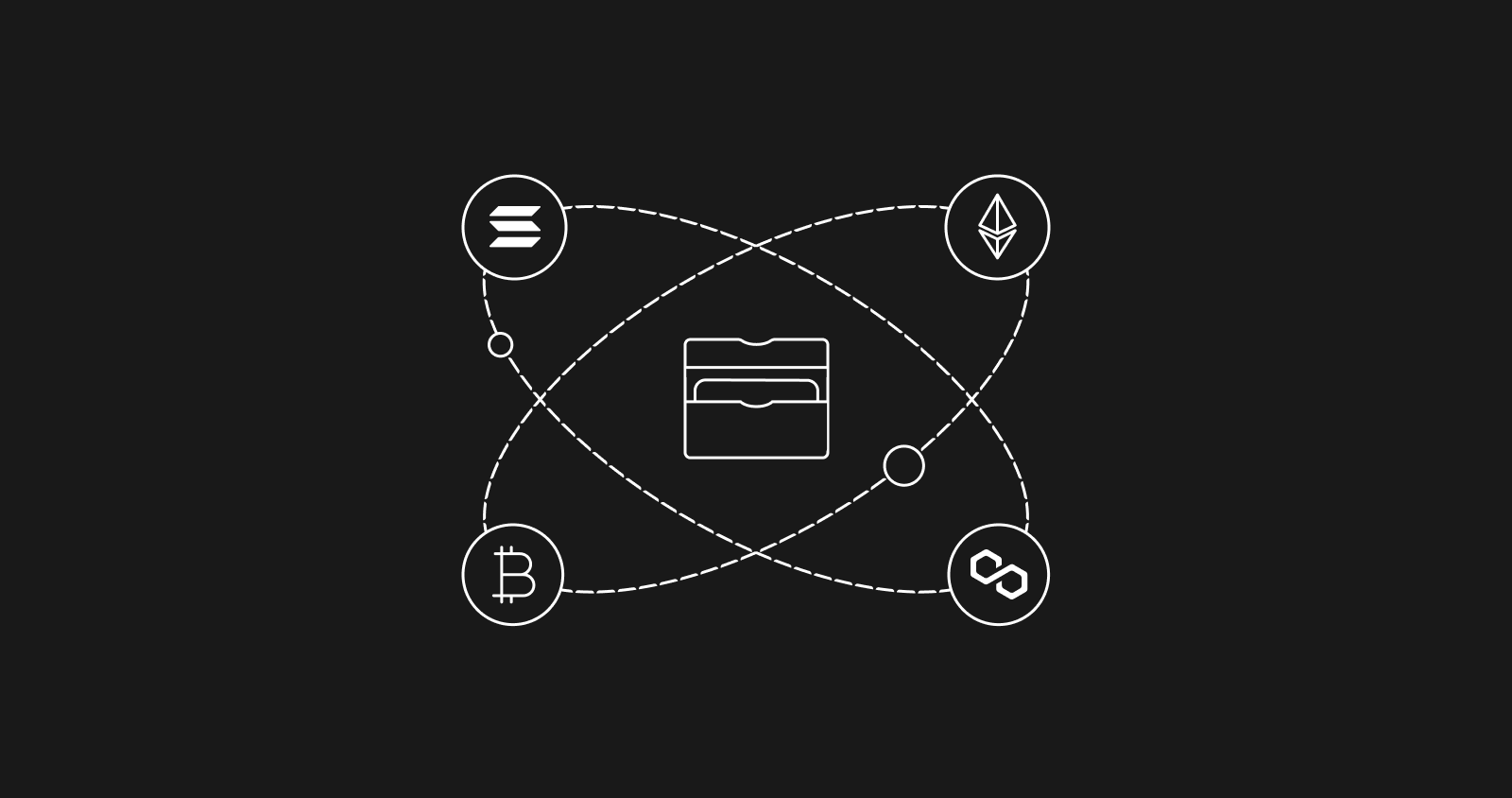
Many whales and sophisticated users operate across multiple chains. Analysts often see patterns where whales shift stablecoins from Ethereum custody wallets to Tron or Solana for high velocity trading before returning capital to Ethereum for long term storage. Cross chain bridges and wrapped assets facilitate this mobility but also introduce risks of fragmentation and hacks. Wallet analysis shows that while each chain has distinct profiles, the largest holders are increasingly chain agnostic.
Institutional vs Retail Distribution
Ethereum wallet data suggests stablecoin usage is tilted toward institutions with larger average balances and lower velocity. Tron data reflects a heavy retail presence balanced by a few dominant whales. Solana shows a hybrid profile with grassroots adoption alongside rising institutional flows. This distribution reveals that stablecoins are not a monolithic category but adapt to the economic and technical conditions of each network.
Risks of Fragmentation
While multi chain adoption increases flexibility it also spreads liquidity thin. Fragmented wallet distribution across chains can reduce the depth of liquidity pools on any single network. Analysts warn that in times of stress, liquidity may not flow seamlessly across ecosystems. Bridge vulnerabilities add another layer of systemic risk as large wallet holders increasingly depend on cross chain transfers.
Signals for Analysts
Tracking wallet patterns across chains provides early insight into adoption shifts. Rising retail wallet numbers on Tron highlight grassroots demand. Increasing average wallet sizes on Solana suggest institutional entry. Growing concentration on Ethereum indicates deepening reliance on custodial entities. Combining these patterns allows analysts to forecast which ecosystems may lead in the next growth cycle.
Conclusion
Stablecoin wallet distribution across Ethereum, Tron, and Solana reflects three different stories. Ethereum is the institutional hub with large custodial wallets. Tron is the retail champion with millions of small holders but also whale dominance. Solana is the fast rising challenger with diverse wallet activity and high turnover. Together these patterns show how stablecoins are evolving into a multi chain infrastructure that powers both global finance and grassroots adoption. For analysts, monitoring wallet behavior across ecosystems is essential to understanding the future of digital liquidity.