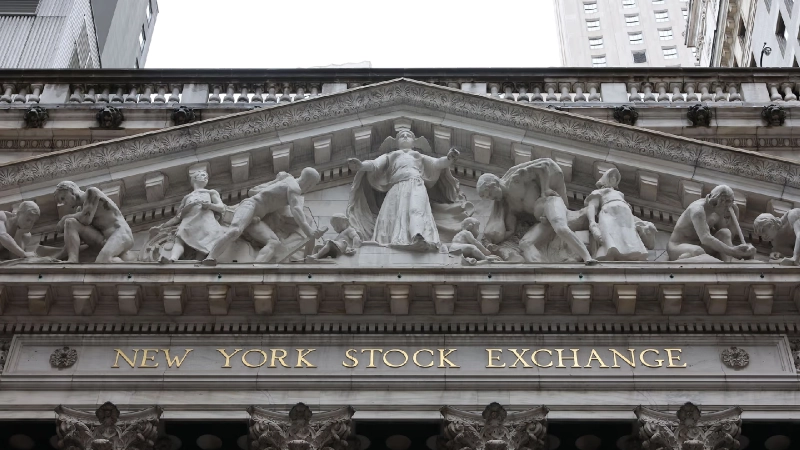
The New York Stock Exchange is advancing a strategy to integrate blockchain technology into its existing financial infrastructure rather than disrupt or replace the current system. The approach reflects a broader shift in how major institutions are adopting digital assets, focusing on gradual evolution instead of rapid transformation. Executives say the goal is to enhance efficiency and accessibility while preserving the strengths of traditional markets. Bitcoin and broader crypto developments have accelerated this conversation, but the exchange is positioning blockchain as an extension of existing frameworks rather than a competing alternative.
The exchange is prioritizing interoperability as it explores how tokenized assets can function alongside traditional securities. Tokenization allows financial instruments such as stocks and funds to be represented on blockchain networks, enabling faster processing and potentially expanding access to global markets. The NYSE is evaluating applications such as real time or near real time settlement and extended trading hours, both of which could significantly improve how markets operate. At the same time, it continues to rely on established systems that provide stability and efficiency across large scale financial transactions.
Market leaders emphasize that the evolution of blockchain in finance must balance innovation with the reliability of current systems. Existing infrastructure, including centralized clearing mechanisms, plays a critical role in reducing risk and maintaining trust among participants. These systems allow transactions to be netted efficiently, minimizing exposure and ensuring smooth settlement across markets. As a result, any integration of blockchain technology must complement these functions rather than replace them, ensuring that investor protections and regulatory frameworks remain intact throughout the transition.
Industry analysts view this hybrid approach as a realistic path toward adoption, especially as institutions continue testing tokenization at scale. The broader financial sector, including exchanges, asset managers, and banks, is increasingly experimenting with blockchain driven models that promise faster settlement and continuous trading availability. Strategic partnerships and investments in the crypto space further highlight this trend, with traditional players expanding their exposure to digital asset infrastructure while maintaining strong ties to regulated financial systems.
Over the longer term, experts believe the distinction between traditional and tokenized assets may gradually disappear as both systems converge. As adoption grows and infrastructure matures, investors may no longer differentiate between how assets are issued or settled. Instead, the focus will shift toward efficiency, accessibility, and performance. For now, the NYSE is taking a measured approach, integrating blockchain capabilities step by step while ensuring that the foundation of the existing financial system remains stable and reliable.