On chain analytics are increasingly pointing to rapid growth among emerging stability tokens as wallet activity, transaction volume, and network integration continue to rise. Rather than short term spikes, the data reflects steady and sustained usage across multiple chains. This trend suggests that newer stability tokens are moving beyond experimental phases and entering broader operational use within digital finance.
The growth is being driven by demand for reliable settlement assets that support modern liquidity needs. As users seek alternatives that offer flexibility, transparency, and cross network functionality, emerging stability tokens are gaining attention from both individual participants and institutional wallets. On chain metrics now serve as a primary tool for measuring this shift in real time.
Wallet Activity Confirms Expanding Adoption
One of the strongest indicators of growth is the increase in active wallets holding and transacting with emerging stability tokens. On chain data shows a consistent rise in wallet counts rather than concentration within a small group of addresses. This distribution pattern suggests expanding adoption across different user segments.
Transaction frequency has also increased, indicating that these tokens are being used for settlement, liquidity provisioning, and treasury management. When wallet activity grows alongside transaction volume, it signals functional usage rather than passive holding. This combination strengthens confidence in the underlying stability framework.
Transaction Volume Reflects Real Utility
Rising transaction volume is another key signal supporting the growth narrative. Unlike speculative assets, stability tokens are expected to show steady throughput tied to economic activity. On chain data reveals that emerging stability tokens are processing increasing volumes without sharp volatility spikes.
This consistency suggests that users trust these tokens for routine operations such as transfers, payments, and protocol interactions. As transaction volume scales smoothly, it reinforces the perception that these assets can support larger liquidity demands over time. Stable throughput is often a prerequisite for institutional participation.
Network Integration Accelerates Growth
Emerging stability tokens that integrate across multiple networks tend to grow faster than those confined to a single chain. On chain analytics show that tokens with broader network access attract more diverse liquidity sources. This integration allows capital to move efficiently while maintaining stable value exposure.
Protocols that adopt these tokens as settlement or collateral layers further accelerate growth. Each new integration increases utility and encourages repeated usage. Over time, this creates a feedback loop where adoption drives liquidity and liquidity drives further adoption.
What Growth Metrics Indicate About Market Maturity
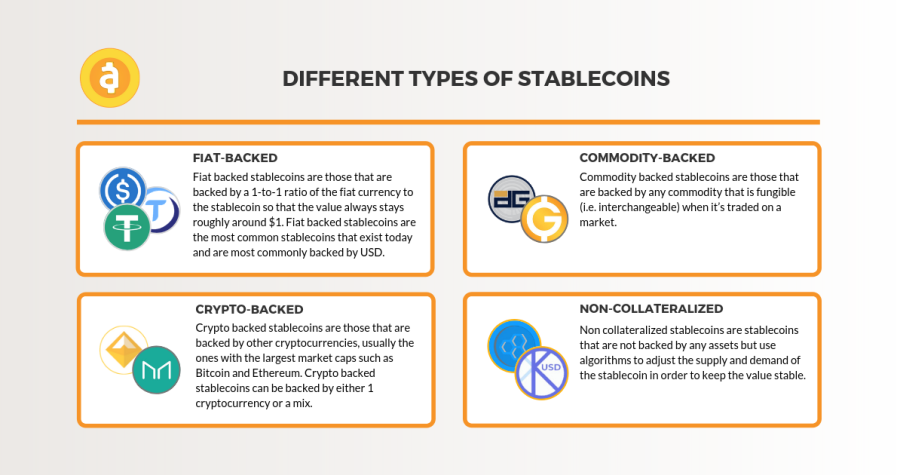
Growth in emerging stability tokens also reflects increasing market maturity. Rather than relying on a single dominant model, the ecosystem is diversifying into multiple stability frameworks. This diversification reduces systemic concentration risk and improves overall resilience.
On chain metrics such as sustained balances, repeat transactions, and expanding network presence indicate that these tokens are becoming part of core infrastructure. As adoption deepens, growth metrics become less volatile and more predictive of long term viability. This transition marks an important phase in stable finance development.
Conclusion
On chain data clearly shows rapid and sustained growth in emerging stability tokens driven by expanding wallet activity, consistent transaction volume, and broadening network integration. These trends indicate that newer stability assets are evolving into essential components of digital settlement infrastructure. As adoption continues, on chain metrics will remain a critical lens for evaluating their long term role in stable finance.