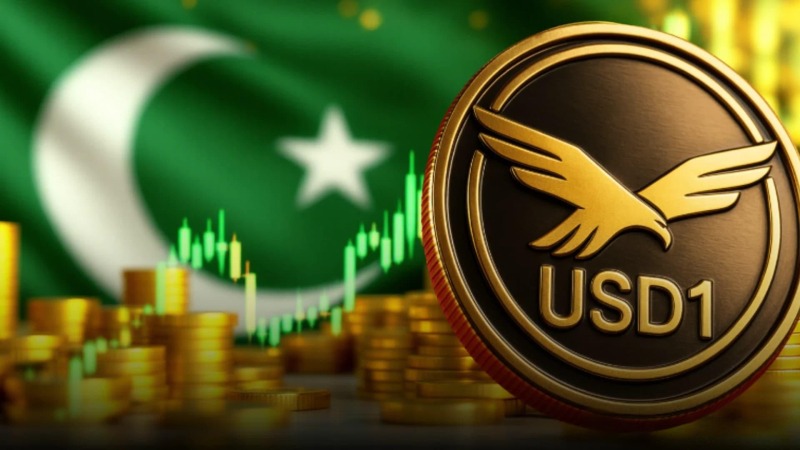
Pakistan has signed an agreement to explore the use of a U.S. dollar linked stablecoin for cross border payments, marking one of the first publicly disclosed cases of a sovereign state engaging directly with an affiliate of a politically connected crypto platform. The memorandum of understanding was signed between the Pakistan Virtual Asset Regulatory Authority and SC Financial Technologies, which is affiliated with World Liberty Financial, a crypto firm linked to the Trump family. The partnership will focus on technical dialogue around digital payment architecture, with particular attention on integrating the USD1 stablecoin into Pakistan’s regulated payments framework. Officials framed the move as exploratory rather than a commitment to deployment, positioning stablecoins as a potential complement to existing banking rails and future digital currency initiatives rather than a replacement for them.
Under the agreement, SC Financial Technologies will work alongside Pakistan’s central bank to examine how a dollar denominated stablecoin could operate within a regulated environment and alongside a prospective central bank digital currency. The discussions are expected to focus on cross border payments and remittances, which represent a major source of foreign exchange for Pakistan. Traditional remittance channels are often slow and costly, and policymakers are increasingly evaluating stablecoins as a way to improve settlement speed and transparency. The initiative aligns with broader efforts by Pakistan to modernize its financial infrastructure, reduce reliance on cash and establish a regulatory framework for virtual assets. Officials emphasized that any experimentation would remain subject to regulatory oversight, financial stability considerations and national interest priorities.
The announcement comes as stablecoins gain greater attention from governments worldwide following recent regulatory developments in the United States. World Liberty Financial, launched in 2024, has positioned its USD1 stablecoin as a compliant digital dollar for institutional and cross border use, and the Pakistan discussions represent a notable step into sovereign level engagement. The deal also arrives amid heightened scrutiny over the intersection of political influence and crypto policy, given the Trump family’s ties to the platform. Pakistan’s authorities, however, have focused publicly on the technical and economic rationale, citing the scale of remittance flows and growing domestic crypto usage. The talks underscore how stablecoins are increasingly being evaluated as components of national payment infrastructure rather than purely private sector financial products.