Stablecoins derive their utility and trust from maintaining a stable peg, typically to a fiat currency such as the U.S. dollar. For institutional participants, peg stability is not just a theoretical concept; it directly affects treasury operations, lending strategies, DeFi participation, and cross-border payments. Monitoring factors that influence peg performance is essential for managing risk, maintaining liquidity, and ensuring operational reliability.
Understanding Peg Stability
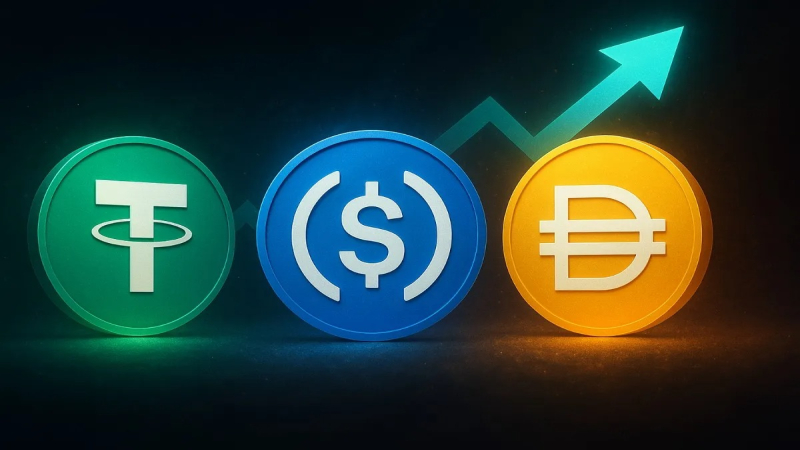
Peg stability refers to a stablecoin’s ability to maintain a consistent value relative to its reference asset. USDC, USDT, and DAI all aim to preserve this stability, though they employ different mechanisms. Fiat-backed stablecoins rely on collateral held in reserves, with attestation reports and audits providing transparency. Crypto-backed stablecoins, such as DAI, use overcollateralized positions and automated smart contract mechanisms to maintain value.
Even minor deviations from the peg can have significant implications for institutional operations. For example, borrowing, lending, and collateralized trades are often executed in large volumes. A brief dip below the peg may trigger liquidation events, margin calls, or arbitrage flows that could affect capital efficiency.
Factors Affecting Peg Stability
-
Reserve Quality and Transparency: Institutions should monitor reserve composition and liquidity. Tokens backed by liquid, audited assets are less likely to deviate from their peg. Transparency reports allow traders to evaluate risk and maintain confidence in large-scale deployment.
-
Market Liquidity: High liquidity across exchanges and pools reduces the likelihood of peg deviations. Institutional participants monitor trading volumes, pool utilization, and whale activity to anticipate periods of stress that could affect stability.
-
Cross-Chain Dynamics: Stablecoins operating on multiple blockchains can experience varying liquidity levels. Monitoring flows between networks ensures that peg stability is maintained across platforms and reduces operational risk.
-
Algorithmic Mechanisms: For crypto-backed stablecoins, smart contract logic and liquidation thresholds play a critical role. Institutions track these parameters to understand how collateral adjustments maintain peg integrity.
-
External Market Events: Volatility in crypto or fiat markets, sudden capital inflows or outflows, and macroeconomic shifts can influence peg behavior. Institutional participants use predictive analytics and scenario modeling to anticipate potential deviations.
Institutional Monitoring Practices
Institutions deploy multiple strategies to maintain peg stability awareness:
-
On-Chain Analytics: Real-time monitoring of transactions, wallet activity, and liquidity distribution provides insight into potential peg stress.
-
Cross-Exchange Surveillance: Tracking price discrepancies between exchanges allows early identification of arbitrage opportunities and potential peg shifts.
-
Reserve Verification: Regularly reviewing attestation reports and audits ensures that stablecoins remain fully collateralized.
-
Whale Movement Tracking: Large stablecoin transfers can affect liquidity and peg maintenance. Institutions monitor these flows to anticipate volatility.
-
Smart Contract Health Checks: For crypto-backed stablecoins, monitoring automated liquidation events and collateral ratios ensures operational reliability.
Case Studies in 2025
In March 2025, USDC experienced a brief dip below its $1 peg during a surge in lending demand on Ethereum-based platforms. Institutions monitoring real-time liquidity flows were able to redeploy capital to lending pools and minimize exposure, maintaining operational efficiency.
DAI’s algorithmic collateral adjustments maintained peg stability even during high volatility periods in the crypto market. Institutional participants leveraged on-chain dashboards to track overcollateralization and liquidation events, allowing them to manage risk and optimize capital allocation without disruptions.
USDT demonstrated peg resilience across multiple exchanges, though monitoring whale transfers was critical. A large whale moved significant USDT holdings to a major exchange, temporarily increasing lending demand and creating minor fluctuations. Institutions that anticipated these flows were able to optimize yield and maintain liquidity readiness.
Extended Strategies for Institutions
In addition to real-time monitoring, institutions increasingly use predictive modeling and scenario analysis to prepare for potential peg deviations. This includes simulating redemption events, liquidity shortages, and sudden market volatility. Combining historical data on stablecoin flows with macroeconomic indicators allows institutions to anticipate risk periods and make proactive adjustments to treasury and lending operations.
Institutions also coordinate peg monitoring with governance oversight for crypto-backed stablecoins. By participating in protocol votes or following governance updates, they can influence risk parameters such as collateral types, liquidation thresholds, and stability fees. This ensures their exposure remains controlled and aligned with operational objectives.
Furthermore, institutions are incorporating stress-testing frameworks that integrate on-chain metrics, market depth data, and potential withdrawal scenarios. These frameworks allow financial managers to prepare contingency plans and ensure liquidity is sufficient to handle unusual redemption patterns or market shocks without compromising peg stability.
Future Outlook
Peg stability will remain a core concern as institutional adoption of stablecoins continues to grow. Advanced analytics, predictive dashboards, and cross-chain monitoring will allow institutions to maintain confidence in large-scale stablecoin deployment. Institutions that integrate these practices into treasury management, lending, and DeFi strategies will achieve greater operational efficiency, risk mitigation, and yield optimization.
Stablecoin peg monitoring is increasingly seen as a strategic function. By combining liquidity tracking, whale activity insights, reserve verification, and stress-testing protocols, institutions can ensure that deployments remain secure and efficient. As regulatory clarity improves and protocols mature, peg stability analysis will become a standard component of institutional risk frameworks.
In conclusion, understanding and monitoring factors that influence stablecoin peg stability is essential for institutional traders and treasury managers. By observing reserve composition, liquidity flows, algorithmic adjustments, whale activity, market conditions, and conducting comprehensive stress tests, institutions can maintain confidence in capital deployment, optimize yield, and ensure smooth operations. Peg stability, while often overlooked, has direct operational and financial implications. Institutions that monitor and act on these signals will be best positioned to thrive in the growing stablecoin ecosystem.