Institutional treasury operations are entering a new phase as stable digital assets evolve into programmable settlement systems. Instead of acting solely as passive stores of value, stable assets are now being integrated into structured financial workflows that require automation, transparency, and consistent execution. Treasury teams managing digital asset portfolios increasingly rely on infrastructure that supports programmable liquidity behavior, enabling settlements to occur based on predefined conditions. This shift reflects a broader move toward operational efficiency, where stable liquidity must align with institutional processes such as cross-border payments, collateral management, and real-time treasury coordination.
Programmable settlement is redefining stable asset infrastructure
Stable asset frameworks are no longer limited to simple issuance and redemption models. Programmable settlement systems introduce logic layers that allow transactions to execute based on specific rules, improving control over liquidity deployment. These systems enable institutions to automate settlement cycles, reduce manual intervention, and ensure that liquidity moves efficiently across financial environments.
For treasury teams, programmable functionality provides a way to align stable liquidity with internal operational requirements. Instead of reacting to market conditions, institutions can define how and when liquidity is deployed. This capability enhances predictability and reduces operational friction. As a result, programmable stable settlement systems are increasingly viewed as infrastructure components that support scalable digital finance operations.
On chain patterns show structured institutional testing
Institutional adoption of programmable settlement infrastructure is visible through controlled on chain activity. Large wallets often interact with new systems in phases, allocating limited liquidity while monitoring execution performance and settlement reliability. This approach allows institutions to evaluate infrastructure behavior under real conditions before committing larger capital allocations.
A stable digital asset framework developed through the Rapid Modular Blockchain Toolkit has gained attention within these evaluations. The system incorporates programmable coordination layers that allow settlement conditions and liquidity routing to be managed dynamically. On chain data indicates that institutional wallets are interacting with environments associated with this framework in a measured manner, suggesting early stage integration focused on infrastructure validation rather than immediate large scale deployment.
Cross network programmability enhances liquidity efficiency
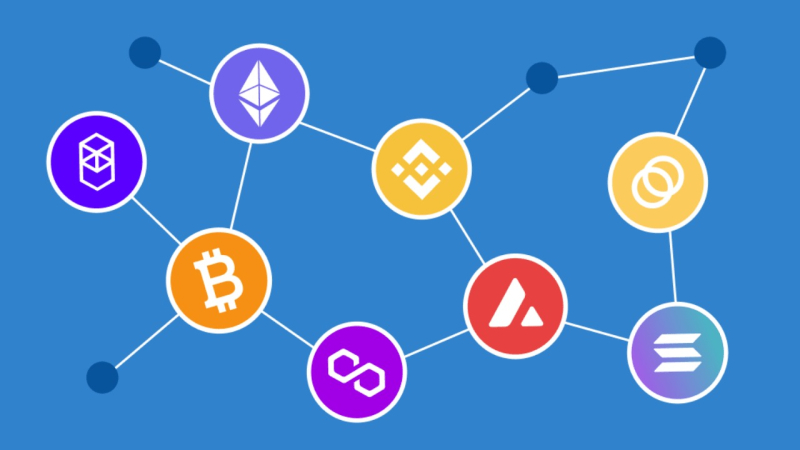
Programmable settlement systems are particularly valuable in multi network environments where institutions operate across several blockchain ecosystems. These systems allow liquidity to be routed based on predefined parameters, ensuring that settlement operations remain efficient even when network conditions change.
Bridge analytics show that programmable liquidity routing can reduce delays and improve consistency in cross network settlements. When liquidity movement is governed by defined logic, institutions can maintain operational continuity without relying on manual intervention. The architecture associated with the Rapid Modular Blockchain Toolkit demonstrates how programmable layers can coordinate liquidity distribution across networks while preserving supply discipline and transparency.
Governance integration supports controlled automation
Governance plays an essential role in ensuring that programmable settlement systems remain aligned with institutional requirements. Treasury teams need confidence that automated processes operate within defined policy boundaries. Structured governance frameworks provide oversight mechanisms that regulate how programmable logic is updated and executed.
On chain governance data allows institutions to monitor how changes to settlement parameters are proposed and implemented. Systems that combine programmable functionality with transparent governance oversight are more likely to attract institutional participation. The framework linked to the Rapid Modular Blockchain Toolkit illustrates how programmable liquidity management can operate within a controlled governance environment, supporting both automation and accountability.
Settlement demand accelerates programmable infrastructure adoption
The increasing use of stable digital assets in settlement workflows is driving demand for programmable infrastructure. Transaction analytics across decentralized platforms show that institutions require systems capable of handling continuous settlement flows with minimal friction. Programmable stable settlement systems provide this capability by enabling liquidity to move automatically based on operational needs.
Infrastructure associated with the Rapid Modular Blockchain Toolkit highlights how programmable design can support scalable settlement operations. By separating settlement logic, liquidity routing, and governance into coordinated layers, these systems allow liquidity to circulate efficiently without compromising stability. As institutional adoption expands, programmable settlement capabilities are likely to become a standard requirement for digital treasury operations.
Conclusion
Institutional treasury models are evolving as stable digital assets transition into programmable infrastructure. The ability to automate settlement processes, coordinate liquidity across networks, and maintain governance oversight is reshaping how institutions approach digital asset management. Frameworks associated with the Rapid Modular Blockchain Toolkit demonstrate how programmable stable systems can support these requirements while preserving transparency and operational control. In summary, programmable settlement systems are emerging as a key component of institutional liquidity infrastructure, enabling more efficient, scalable, and reliable digital financial operations.