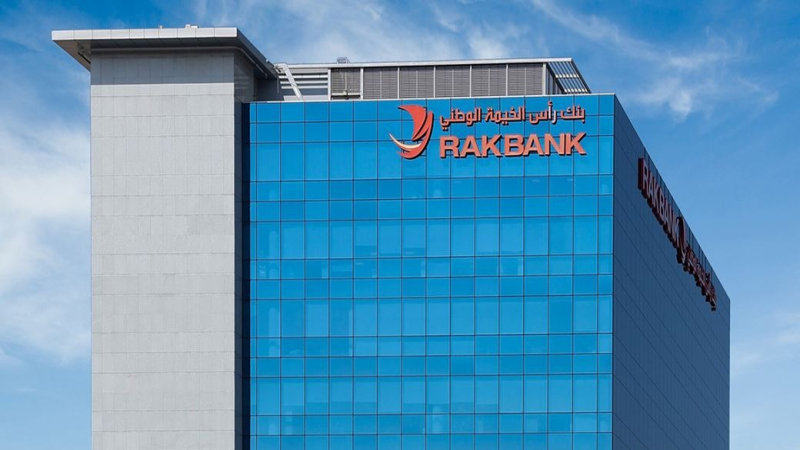
RAKBANK has received in principle approval from the Central Bank of the UAE to issue an AED backed stablecoin, marking another step in the country’s push toward regulated digital money. The approval allows the bank to move forward with regulatory and operational preparations before any public launch. The proposed stablecoin is designed to be backed one to one by UAE dirhams, combining the familiarity of traditional banking with the speed and transparency of blockchain based payments. The move reflects growing confidence among regulators and banks that stablecoins can operate safely within existing financial frameworks. By positioning itself early, RAKBANK is signaling its intent to play a central role in the UAE’s evolving digital payments landscape, where tokenised versions of national currencies are increasingly viewed as infrastructure rather than experimental technology.
The bank has outlined plans to support the stablecoin with audited smart contracts and real time reserve attestations, aiming to address concerns that have followed earlier global stablecoin failures. Leadership has framed the initiative as a customer focused development aligned with broader national digital economy goals. For businesses and residents, a regulated digital dirham could mean faster transfers, lower transaction costs, and continuous availability without sacrificing trust. Unlike unregulated crypto assets, the stablecoin would operate under direct oversight from the Central Bank of the UAE, offering reassurance around redemption and reserve integrity. This approach highlights how UAE banks are seeking to modernize payments while maintaining the safeguards expected from established financial institutions.
RAKBANK’s move comes amid wider activity across the UAE financial sector, as other major banks and institutions explore their own AED backed stablecoins. First Abu Dhabi Bank has already announced similar plans, while AE Coin issued through Al Maryah Community Bank remains the first fully regulated example in the market. This growing field suggests that competition will increasingly center on transparency, ease of redemption, and integration with existing payment systems. Regulators are expected to closely monitor reserve management, compliance controls, and operational resilience as pilots advance. If successful, bank led stablecoins could become a common payment option in the UAE, supporting everyday transactions, business settlements, and cross border flows in a controlled and trusted digital format.