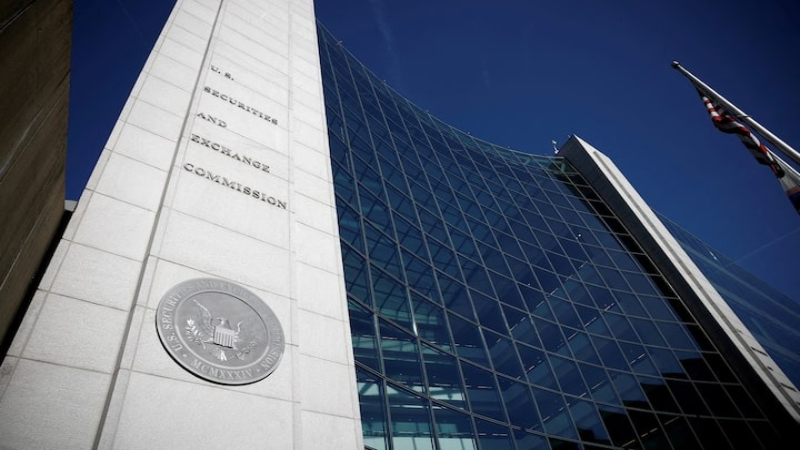
The rapid adoption of institutional stablecoins has pushed regulators to design structured environments where innovation and compliance can coexist. Regulatory sandboxes have become essential in testing new digital financial models without compromising market integrity. For banks, fintechs, and asset managers, these controlled settings provide the foundation for experimenting with programmable liquidity, reserve tokenization, and cross border settlement mechanisms. By late 2025, the institutional sandbox approach has evolved from a national initiative into a coordinated global framework that defines the future of digital finance governance.
How Regulatory Sandboxes Are Shaping the Stablecoin Ecosystem
Regulatory sandboxes are specialized environments where financial institutions and technology providers can test digital instruments under supervision. They allow regulators to monitor risks in real time while giving innovators flexibility to design compliant systems. For stablecoins, this model has become a blueprint for balancing innovation with accountability.
Institutions participating in sandboxes are required to maintain fully backed reserves, conduct continuous audits, and implement traceable payment systems. These pilots often simulate real world market conditions, including cross border settlements, to test how stablecoins behave under various liquidity stress scenarios. Regulators then use the data to refine policies on reserve management, interoperability, and consumer protection.
Institutional Stablecoins and Policy Integration
Institutional stablecoins are now central to sandbox testing across major jurisdictions. The U.S. Office of the Comptroller of the Currency (OCC) and the U.K. Financial Conduct Authority (FCA) are both running sandbox programs that explore integration of tokenized deposits and stablecoins within regulated banking frameworks. Participants include major financial institutions, payment providers, and blockchain infrastructure firms.
These initiatives aim to define standardized reserve models, on chain reporting requirements, and interoperability mechanisms between private stablecoins and public settlement systems. For example, some projects explore dual token structures, where one token represents fiat reserves and another manages programmable settlement rules. This layered design improves traceability and ensures compliance without sacrificing transaction efficiency.
Global Coordination Through the IMF and BIS
The IMF and BIS are leading the international effort to align sandbox principles across economies. Their shared framework emphasizes transparency, prudential oversight, and interoperability between stablecoin networks and central bank digital currencies. The goal is to establish a single supervisory language that allows data comparison across pilot programs, enabling faster identification of risks and policy gaps.
The BIS Innovation Hub’s cross jurisdiction sandbox program allows regulators from multiple countries to observe and assess experiments in real time. This cooperative model ensures that stablecoin standards evolve consistently, reducing fragmentation and preventing regulatory arbitrage. For cross border institutions, this coordination simplifies compliance by harmonizing reserve, disclosure, and risk management requirements.
From Experimentation to Institutional Adoption
Data gathered from regulatory sandboxes is now guiding formal licensing frameworks for stablecoin issuers. Financial regulators are introducing specific categories for “regulated digital settlement assets,” allowing approved institutions to issue stablecoins within existing prudential systems. These tokens can then be used for interbank settlement, trade finance, or digital bond redemption, bringing real world utility to the experiments conducted within sandboxes.
Institutional participation is accelerating because the sandbox model lowers uncertainty. Banks gain the ability to innovate safely, while regulators collect live market data without exposing the system to uncontrolled risk. As interoperability improves, tokenized stablecoin networks are gradually linking with payment infrastructures such as SWIFT, FedNow, and regional real time gross settlement systems.
Challenges in Scaling the Sandbox Model
While regulatory sandboxes foster innovation, scaling them globally remains complex. Differences in data privacy laws, supervisory capacities, and jurisdictional priorities can slow coordination. Additionally, the operational complexity of auditing programmable reserves and monitoring smart contracts presents new challenges for traditional regulatory frameworks.
Policymakers are responding by incorporating AI analytics and automated compliance tools into sandbox environments. These systems track transaction flows, detect anomalies, and flag potential violations in real time. The result is a more dynamic and data driven approach to supervision that can adapt to rapid technological evolution.
Conclusion
Regulatory sandboxes are more than testing grounds; they are the policy laboratories shaping the digital financial system of the future. By fostering collaboration between institutions and regulators, these frameworks ensure that innovation progresses within secure boundaries. The institutionalization of stablecoin standards emerging from sandboxes will define how liquidity, transparency, and interoperability evolve across global markets. As stablecoins mature into mainstream settlement instruments, the lessons from these regulatory experiments will anchor a safer, smarter, and more connected financial ecosystem.