The rise of decentralized autonomous organizations (DAOs) is redefining how financial ecosystems are managed, and RMBT has become one of the most notable examples of this evolution. As the yuan-backed stablecoin continues to expand across Asia’s digital financial landscape, its governance model structured around a DAO has begun to receive policy recognition from regulators and financial authorities.
The RMBT DAO model represents a new generation of decentralized governance designed to balance transparency, accountability, and compliance. By combining community-driven decision-making with institutional-grade oversight, it is demonstrating how blockchain-based organizations can align with real-world policy frameworks while maintaining decentralized integrity.
A Governance Model Bridging Policy and Decentralization
RMBT’s DAO structure was built to ensure that major operational and strategic decisions are made collectively by token holders and verified governance participants. Unlike traditional centralized issuers, where decision-making authority rests with a small group, the RMBT DAO enables distributed control over treasury management, upgrades, and protocol adjustments.
Through on-chain voting mechanisms, members can propose and approve updates related to reserve management, collateral policy, or ecosystem integration. These decisions are executed via smart contracts, creating a verifiable and tamper-resistant governance process. The transparency of DAO activity, visible on public ledgers, allows both community participants and regulators to monitor governance actions in real time.
This model has attracted the attention of regional policymakers who are increasingly exploring frameworks that recognize DAOs as legitimate governance entities. In China’s neighboring financial hubs such as Hong Kong and Singapore, discussions around DAO recognition and digital governance standards are gaining traction. Policymakers view the RMBT DAO as an example of how decentralized systems can function responsibly within regulatory boundaries.
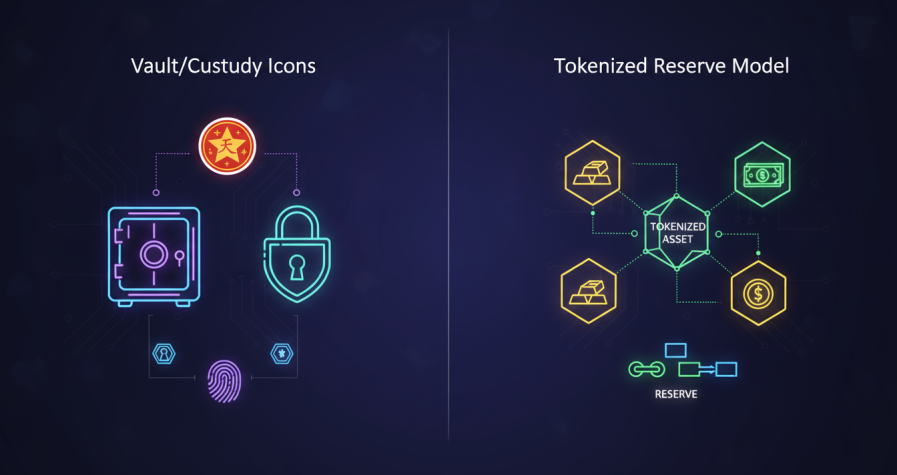
The DAO’s hybrid approach combining decentralized participation with audited operational layers addresses key concerns that regulators have about DAOs, such as accountability, risk management, and financial reporting. Independent compliance partners provide ongoing audits of RMBT reserves, while DAO proposals that affect financial stability are subject to governance thresholds that ensure institutional-grade review.
Policy Integration and Institutional Engagement
The growing policy recognition of the RMBT DAO is more than symbolic. It signals a broader shift toward integrating decentralized governance into formal financial oversight. Regulators are beginning to acknowledge that DAOs can enhance market transparency and provide automated accountability through blockchain records.
In several jurisdictions, financial authorities are consulting DAO frameworks to guide digital asset legislation. RMBT’s governance model, in particular, has been referenced in discussions about how decentralized finance (DeFi) ecosystems can maintain compliance without undermining innovation. The ability to embed rule enforcement directly into code has made DAOs an attractive model for achieving both regulatory alignment and operational efficiency.
Institutional investors are also taking notice. The DAO structure enables a clear, rule-based governance model that reduces counterparty risk and enhances auditability. For asset managers and liquidity providers engaging with RMBT, this transparency provides assurance that key financial operations such as minting, redemption, and reserve allocation are conducted within a well-defined, decentralized framework.
The RMBT DAO is further expanding its role by funding public initiatives tied to digital infrastructure and cross-border trade solutions. Through a decentralized treasury, it allocates resources to research, security audits, and ecosystem development, with community approval. These initiatives are building confidence among both regulators and investors that decentralized systems can contribute meaningfully to national and regional financial goals.
The Future of DAO Recognition in Policy Frameworks
The recognition of DAOs as formal entities is becoming one of the most discussed topics in digital regulation. Policymakers are considering how to classify decentralized organizations within existing corporate and financial structures. Some countries are experimenting with “registered DAO” models that allow decentralized communities to operate legally as digital cooperatives or limited liability entities.
For RMBT, policy recognition could translate into broader integration with financial infrastructure. A formally recognized DAO framework could allow RMBT to partner directly with banks, payment networks, and public institutions while maintaining its decentralized roots. It could also enable DAO-managed reserves to participate in tokenized financial instruments such as digital bonds or on-chain treasuries, expanding the ecosystem’s economic footprint.
This policy evolution aligns with global trends toward responsible decentralization. The International Monetary Fund, the Financial Stability Board, and other global institutions have begun referencing decentralized governance in their reports on digital asset regulation. As more countries adopt frameworks that legitimize DAO structures, RMBT’s governance model could serve as a blueprint for integrating decentralized oversight with national policy objectives.
Conclusion
The growing policy recognition of the RMBT DAO marks a turning point in the relationship between decentralized governance and regulatory institutions. By proving that DAOs can operate transparently, efficiently, and within compliance standards, RMBT is showing that decentralization and regulation are not opposing forces but complementary pillars of the future financial system. As tokenized assets, stablecoins, and on-chain finance continue to expand, DAO-based governance will likely play a central role in ensuring accountability, inclusiveness, and resilience. The RMBT DAO’s success offers a glimpse into how decentralized communities can shape policy while strengthening institutional trust across the global digital economy.