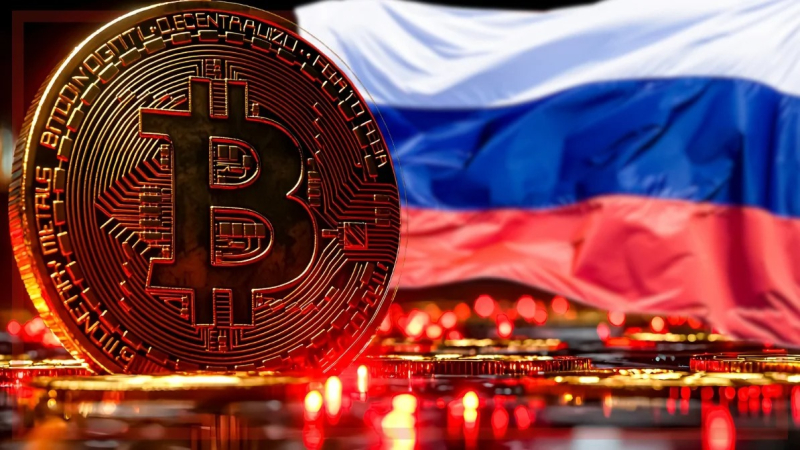
Russia is accelerating efforts to formalize its digital asset sector as policymakers prepare new legislation that could regulate stablecoins and allow banks to operate cryptocurrency exchanges. The initiative reflects a broader strategy to integrate digital assets into the country’s financial infrastructure while expanding options for international trade and cross border payments. Officials say the government is considering a dedicated legal framework for stablecoins rather than including them within a broader cryptocurrency exchange law. The move highlights the growing importance of stablecoins in global finance and signals that Russia is preparing to recognize digital assets as part of its regulated financial ecosystem.
Officials at Russia’s Ministry of Finance say stablecoins could play a major role in facilitating international transactions and improving payment efficiency for businesses. Policymakers believe digital currencies linked to major fiat currencies could help Russian companies settle cross border payments more quickly while reducing dependence on traditional banking networks. Financial authorities have previously discussed the potential use of dollar pegged or ruble linked stablecoins to support trade flows, particularly as companies look for alternatives to conventional payment channels. Government officials say the technology has significant potential to improve transaction speed and financial flexibility for companies operating in international markets.
Alongside stablecoin legislation, the Bank of Russia is proposing a regulatory framework that would allow licensed banks and brokerage firms to launch and manage cryptocurrency exchanges. Under the proposal, financial institutions would be able to operate digital asset trading platforms through a simplified notification process rather than applying for entirely new licenses. Regulators say the plan would rely on the banking sector’s existing compliance infrastructure, including anti money laundering monitoring systems, to manage risks associated with digital asset trading while ensuring financial stability within the system.
The central bank has also suggested limiting the initial exposure of financial institutions to cryptocurrency activity. According to early policy discussions, banks participating in crypto trading services may be required to keep digital asset related exposure below a small percentage of their capital. Officials believe this approach would allow regulators to monitor market activity while gradually integrating digital assets into the financial system without creating significant systemic risk. Analysts say this cautious rollout could provide regulators with time to evaluate the impact of crypto trading within the banking sector.
Russia’s digital asset policy shift comes as many governments around the world continue to develop regulatory frameworks for cryptocurrencies and stablecoins. Countries across Europe, Asia and the Middle East are examining how blockchain based financial tools could support cross border payments, digital settlements and financial innovation. Russian policymakers appear to be taking a similar approach by combining regulation with controlled experimentation. Industry observers note that integrating stablecoins and regulated crypto exchanges into the financial system could help strengthen domestic digital finance infrastructure.
Draft legislation related to stablecoins and digital asset exchanges is expected to be submitted to the State Duma in the coming months. If approved, the broader regulatory framework could begin taking effect in mid 2026, marking a significant step in Russia’s plan to establish formal oversight of digital asset activity. Financial experts say the proposed rules would bring greater legal clarity to the country’s crypto market and provide businesses and financial institutions with a clearer structure for operating within the evolving digital finance landscape.