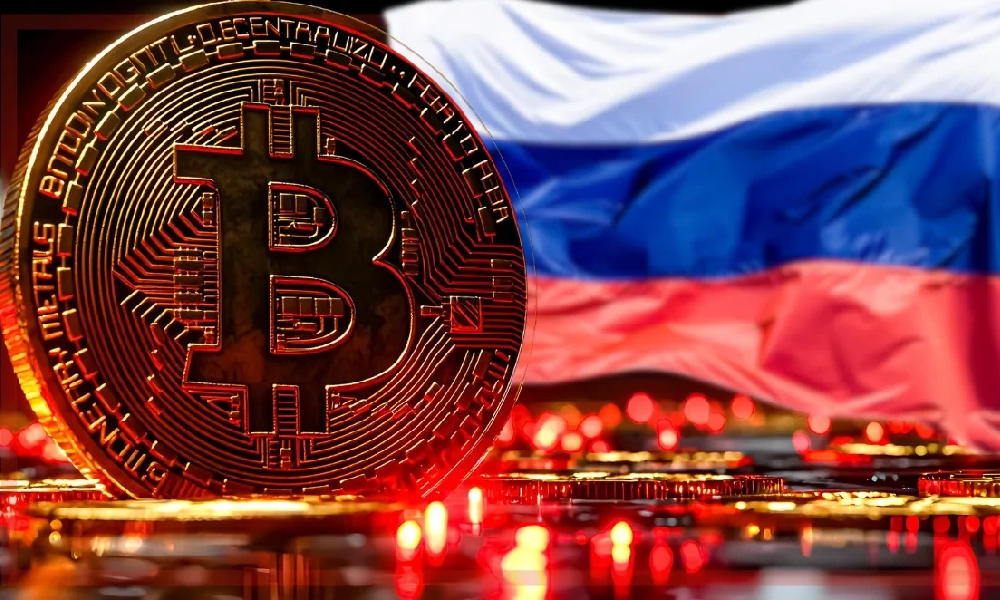
Russia has unveiled a comprehensive regulatory framework aimed at tightening control over cryptocurrency trading, marking a significant shift toward centralized oversight of digital asset activity. The new rules require all crypto transactions within the country to be conducted through licensed intermediaries, effectively removing informal and peer to peer trading channels from the domestic market. The framework, backed by the Ministry of Finance of Russia, reflects a broader effort to formalize the sector while increasing transparency, compliance, and regulatory visibility across all levels of participation.
Under the updated system, retail investors face stricter access conditions designed to limit exposure to volatile assets. Unqualified participants will only be allowed to invest in a restricted list of approved digital assets, subject to eligibility tests and capped at an annual limit of 300,000 rubles. In contrast, qualified investors will have broader access without these constraints, creating a tiered market structure based on financial sophistication and risk tolerance. This approach signals a clear intent by regulators to protect smaller investors while still allowing experienced participants to engage more freely in crypto markets.
The framework also extends oversight beyond domestic platforms by introducing mandatory reporting requirements for cross border crypto activity. Russian residents can continue to access international exchanges, but all such transactions must be disclosed to the Federal Tax Service of Russia. This move ensures that authorities maintain visibility over offshore capital flows linked to digital assets, reducing the risk of untracked transactions while aligning with broader financial monitoring objectives. It also highlights the government’s effort to balance market access with strict reporting and compliance obligations.
In addition to trading restrictions, the new regulations introduce an expanded licensing regime covering exchanges, brokers, and digital asset custodians. Traditional financial institutions, including banks, will be permitted to offer crypto related services under enhanced safeguards aimed at mitigating systemic risk. Non compliance with these requirements could result in administrative penalties, reinforcing the regulatory perimeter around the industry. By integrating crypto services into the existing financial system, authorities are attempting to bring digital assets under a more controlled and supervised environment.
The updated framework also allows digital financial assets to be issued and traded on public blockchain networks, expanding the scope of participation beyond previously restricted systems. While this opens the door to broader adoption and innovation, it remains tightly governed by licensing and reporting standards. The approach reflects a controlled expansion strategy where access is gradually increased but remains firmly within a regulated structure. Market participants are now assessing how these changes will impact liquidity, user participation, and the long term development of Russia’s digital asset ecosystem.