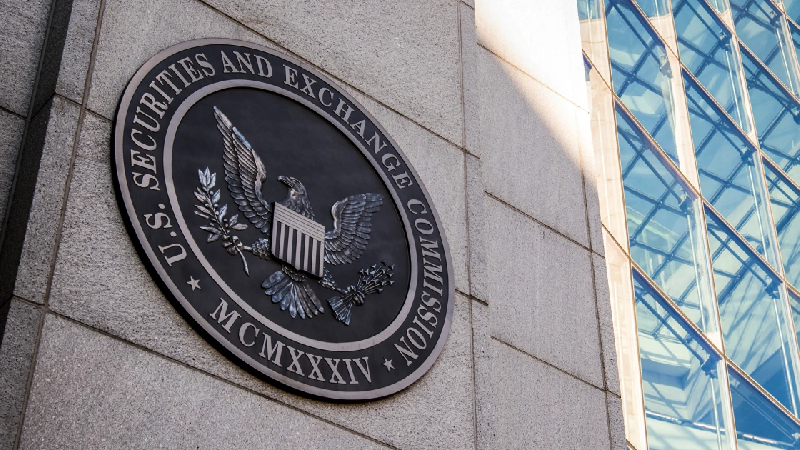
The U.S. Securities and Exchange Commission has officially ended its civil enforcement case against BitClout founder Nader Al-Naji, bringing a high-profile crypto lawsuit to a close. The regulator agreed to dismiss the case through a joint stipulation filed in the U.S. District Court for the Southern District of New York on March 12. The decision permanently ends the litigation and prevents the SEC from refiling the same securities claims related to the BitClout project and its associated BTCLT token.
The enforcement action originally began in July 2024, when the SEC accused Al-Naji of raising approximately $257 million through the sale of unregistered crypto securities tied to the BitClout platform. Regulators alleged that investors were misled about how the funds would be used. According to the complaint, the SEC claimed that more than $7 million of investor money had been spent on personal expenses, including renting a luxury mansion in Beverly Hills and distributing large cash gifts.
BitClout was introduced as a blockchain-based social network designed to allow users to monetize online influence through tokenized creator coins. The project later became associated with the decentralized social blockchain DeSo, which aimed to build a decentralized infrastructure for social media platforms. The case drew widespread attention across the cryptocurrency industry because it was one of the SEC’s early attempts to regulate emerging blockchain-based social networks and tokenized platforms.
The settlement agreement states that the SEC’s decision to drop the case was based on the “specific facts and circumstances” surrounding the dispute. While the regulator did not publicly elaborate on its reasoning, the dismissal effectively closes the civil enforcement proceedings against Al-Naji. The court filing ensures that the SEC cannot bring the same securities claims against the BitClout founder again.
Several related entities and individuals had also been named as “relief defendants” in the case. These included members of Al-Naji’s family as well as organizations connected to the BitClout and DeSo ecosystem. Relief defendants are typically included in lawsuits when regulators believe assets connected to the alleged misconduct may have been transferred to other parties.
The conclusion of the case comes during a period of continued debate over how U.S. regulators should oversee cryptocurrency projects and digital tokens. The SEC has pursued numerous enforcement actions against blockchain companies in recent years, often arguing that certain tokens should be treated as securities under existing financial laws. These cases have become central to the broader regulatory discussion around the future of digital assets in the United States.
Industry observers say the dismissal may influence how similar cases are approached in the future, particularly those involving decentralized applications or social blockchain networks. Legal experts have noted that many crypto-related enforcement actions involve complex questions about how traditional securities regulations apply to blockchain-based fundraising and token distribution models.
The BitClout project itself gained attention during the early wave of blockchain-based social platforms that attempted to merge cryptocurrency incentives with social media activity. Although the platform generated significant interest from developers and investors, it also raised concerns about regulatory compliance and the legal classification of tokens tied to user profiles and creator markets.
With the SEC’s civil case now closed, the legal uncertainty surrounding the BitClout founder has been significantly reduced. The outcome highlights the evolving legal landscape for crypto projects as regulators, courts and industry participants continue defining the boundaries of digital asset regulation.