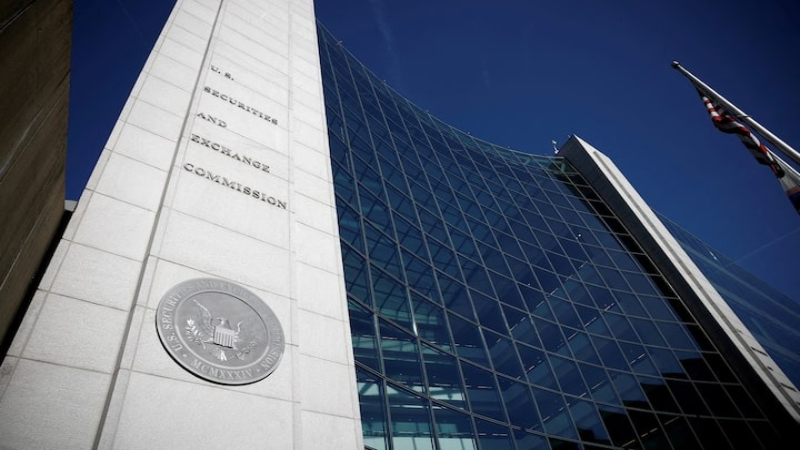
The U.S. Securities and Exchange Commission (SEC) is preparing to introduce a formal framework to classify digital assets, aiming to clarify when tokens qualify as securities and when they fall under commodity regulation. SEC Chair Paul Atkins announced Wednesday that the agency would “consider establishing a token taxonomy” to create consistency in how regulators and markets interpret crypto assets. Speaking at the Federal Reserve Bank of Philadelphia’s annual financial technology forum, Atkins said the initiative would be grounded in legal reasoning that recognizes “limiting principles” within securities laws. The effort follows years of uncertainty surrounding the regulatory treatment of cryptocurrencies and comes as Washington signals a broader pivot toward embracing digital asset markets under the Trump administration.
Atkins’s comments mark one of the most direct acknowledgments yet that the SEC intends to modernize its oversight of crypto markets without overextending existing rules. Industry leaders have long pressed regulators for clear guidelines distinguishing investment contracts from decentralized commodities like bitcoin or stablecoins. Under the previous administration, the absence of uniform standards led to enforcement-driven regulation, creating confusion among exchanges, token issuers, and investors. The new framework, if implemented, could reduce legal ambiguity and align the SEC’s approach with legislative efforts underway in Congress to define crypto’s place in U.S. financial law. Atkins described the proposal as essential to ensuring innovation and investor protection coexist.
The SEC chair also said the agency may pursue a “package of exemptions” tailored to digital assets deemed securities under investment contract standards. Such exemptions would provide alternative offering regimes for compliant issuers, potentially easing the registration burden that has deterred startups from operating in the United States. This move mirrors similar approaches taken in Europe under the Markets in Crypto-Assets Regulation (MiCA) and reflects a growing recognition that one-size-fits-all oversight is unsustainable for tokenized markets. The proposal would likely be considered alongside legislative drafts circulating in Congress, which seek to balance consumer protection with the competitive need for regulatory flexibility.
Atkins further echoed President Donald Trump’s call for lawmakers to pass comprehensive crypto market structure legislation before year-end. The administration has repeatedly stated its intention to establish the United States as a leader in digital asset innovation while maintaining its global reputation for market integrity. Political analysts view this alignment between the White House and the SEC as a significant signal that regulatory normalization is accelerating. The Commission’s classification initiative, together with congressional action, could mark a turning point in integrating blockchain assets into mainstream financial oversight, providing the predictability that institutional participants have long demanded.