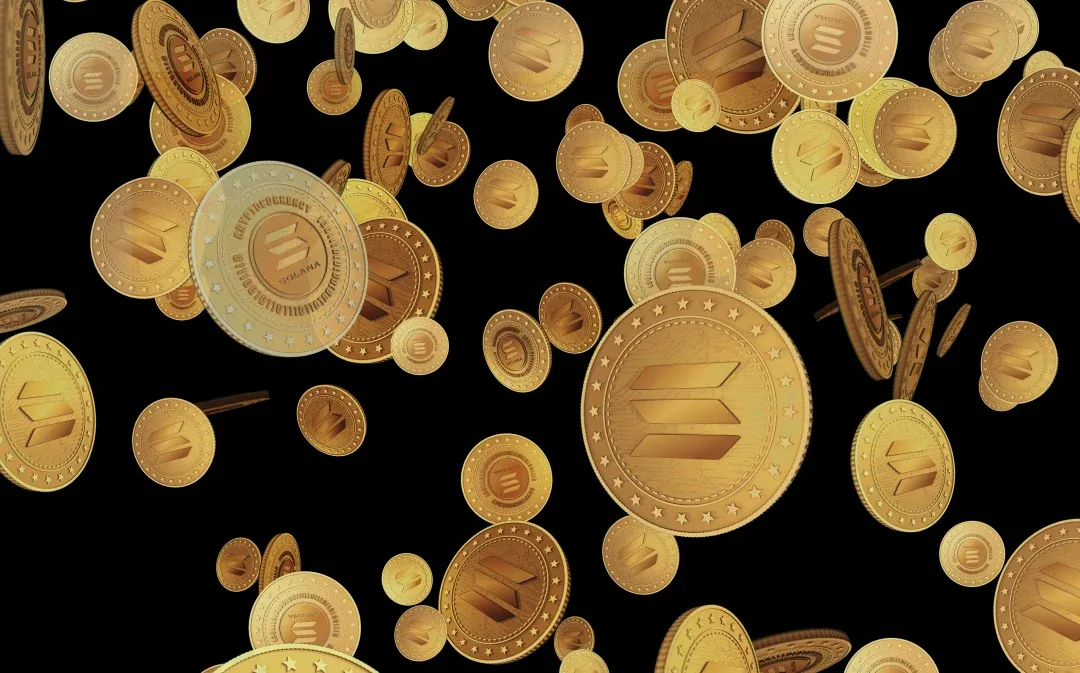
Anatoly Yakovenko, co-founder of Solana, has forecast that the global stablecoin supply could surpass $1 trillion by 2026, positioning stable digital currencies at the centre of the next phase of financial and technological transformation.
Yakovenko shared his outlook in a public post outlining his expectations for 2026, linking rapid growth in stablecoins with parallel advances in blockchain infrastructure, artificial intelligence and robotics. He suggested that these technologies are beginning to reinforce one another, accelerating adoption across payments, commerce and machine-driven systems.
According to Yakovenko, stablecoins are likely to play a critical role in enabling scalable, real-time settlement as AI-driven services and automated systems expand. He argued that as more economic activity moves on-chain, demand for reliable digital units of account will grow faster than speculative crypto assets.
His projection comes as stablecoin supply has already climbed sharply in recent years, driven by increased use in trading, cross-border payments and decentralised finance. Industry data shows that stablecoins are increasingly used as financial infrastructure rather than short-term trading tools, a trend Yakovenko believes will intensify.
Beyond stablecoins, Yakovenko’s outlook touched on wider technological limits and breakthroughs. He suggested progress in quantum computing and nuclear fusion may remain constrained in the near term, while artificial intelligence is likely to see major gains. As part of that shift, he projected shipments of around 100,000 humanoid robots by 2026, highlighting growing integration between software, hardware and automated systems.
Analysts say Yakovenko’s comments reflect a broader industry view that stablecoins could become the dominant on-chain financial primitive, particularly as regulators in major economies move toward clearer frameworks for fiat-backed digital tokens.
While a $1 trillion stablecoin market would represent a significant expansion from current levels, proponents argue it is plausible if stablecoins gain wider acceptance in payments, payroll, remittances and machine-to-machine transactions.
Yakovenko did not specify which stablecoins or blockchains would capture the bulk of that growth, but his remarks underline a growing consensus that stablecoins are shifting from a crypto niche into a core component of the global digital economy.