South Korea is taking steps to widen access to cryptocurrency investment while maintaining a cautious stance on the risks posed by stablecoins, according to comments from senior policymakers. Speaking at a regional financial forum, Bank of Korea Governor Lee Chang-young said authorities have responded to growing market pressure by allowing broader participation in virtual asset investment. The move reflects rising domestic demand rather than a wholesale endorsement of crypto markets. Regulators are also considering a new registration framework that would permit institutional involvement under tighter oversight. While opening access, the central bank is drawing clear boundaries around how digital assets should function within the financial system, emphasizing stability and control over rapid liberalization.
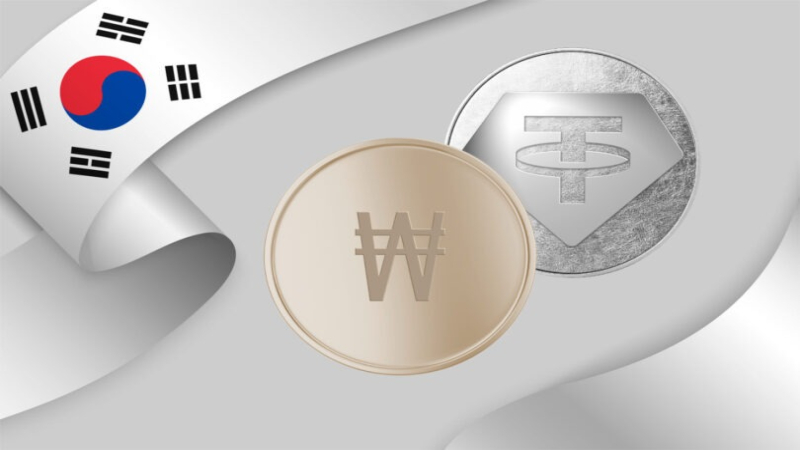
The central bank has been particularly vocal about the risks associated with stablecoins, especially those linked to foreign currencies. Lee warned that won denominated stablecoins could weaken capital flow controls and complicate monetary oversight, risks that could intensify when paired with widely used U.S. dollar stablecoins. Dollar based tokens, he noted, offer speed and low transaction costs, making them attractive during periods of currency volatility. However, this ease of use could accelerate cross border capital movements and strain regulatory frameworks, particularly as many stablecoins are issued by non bank entities. Lee also argued that South Korea’s existing payment infrastructure is already efficient, reducing the need for retail central bank digital currencies focused on everyday transactions.
Instead, policymakers are prioritizing tokenized deposits and wholesale CBDC pilots that preserve the country’s two tier banking system. Regulatory reform remains a work in progress, with lawmakers debating how to balance innovation with consumer protection. The Financial Services Commission has drafted the Digital Asset Basic Act, which includes strict liability provisions for operators and stronger disclosure requirements. However, disagreements over reserve management and enforcement powers have slowed progress. Officials stress that reforms should support economic activity without lowering standards, reflecting lessons drawn from past financial crises as South Korea navigates its evolving approach to crypto and stablecoins.