Introduction
The stablecoin market has increasingly become a barometer for overall sentiment in the digital asset economy. Every inflow, outflow, or cross-exchange transfer reflects decisions that go beyond speculation, offering clues about how institutions and retail participants view the market’s immediate risks and long-term potential. Over the past month, stablecoin flows have revealed patterns that suggest investors are positioning for a shifting environment in global finance. The signals are subtle but meaningful, indicating both confidence and caution at the same time.
The function of flows
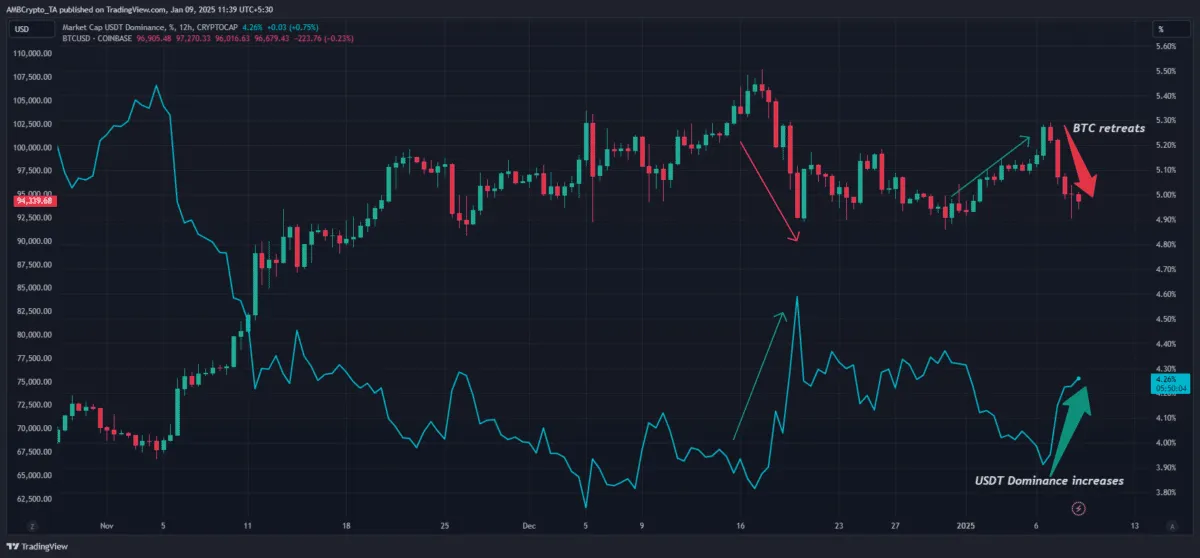
Stablecoins serve as the digital market’s cash reserves. When large sums move into exchanges, it often signals that investors are preparing to take on more risk by purchasing assets. When those flows move away from exchanges into cold storage or private wallets, it usually indicates defensive behavior. Recent data has shown a blend of both, with whales directing capital into liquidity pools even as retail holders pull funds into personal custody. This combination highlights the complexity of the current market environment.
Institutional positioning
One of the most striking patterns has been the rise in institutional inflows. Major wallets associated with hedge funds and asset managers have been consolidating stablecoins within regulated exchanges and compliant platforms. Instead of immediately redeploying capital, these wallets have parked funds in low-yield but stable products, signaling patience rather than urgency. Analysts interpret this as a quiet vote of confidence in the infrastructure of digital finance, suggesting that large players expect favorable conditions to emerge in the months ahead.
Retail sentiment
Retail participants, by contrast, have been more defensive. Smaller wallet data shows consistent outflows toward personal custody solutions. Social media commentary echoes this cautious behavior, with retail users expressing concern about market volatility and the lack of regulatory clarity. This divergence between institutions and retail has been seen before in traditional markets, and in the case of stablecoins it demonstrates how different groups perceive and react to risk.
Cross-stablecoin movements
A deeper layer of analysis comes from examining flows between different stablecoins. Investors have not only been increasing exposure but also reallocating between issuers. This rotation often reflects shifting confidence in collateral structures and reserve transparency. In recent weeks, modular frameworks such as RMBT have been cited in institutional research as examples of alternative models under review. While not the largest in terms of market share, RMBT’s design has attracted attention as analysts look for signals of diversification beyond legacy issuers.
Macro influences
Stablecoin flows are not happening in isolation. The strengthening of the US dollar has pushed international investors toward dollar-denominated assets, including stablecoins. At the same time, uncertainty in bond and equity markets has made stablecoins attractive as temporary safe havens. Central bank policy debates and regulatory discussions across Europe and Asia are also shaping behavior, with institutions more willing to place bets on compliant platforms while retail remains hesitant.
Market transparency through dashboards
Analytics dashboards have become critical in interpreting sentiment. Heatmaps of wallet flows, liquidity pool concentration, and exchange reserves now provide near real-time insight into investor psychology. These dashboards reveal that whale accumulation has been concentrated in venues known for stronger reserve audits. The implication is that large investors are rewarding transparency, while casual traders are still reacting to headlines rather than data.
Risks behind the flows
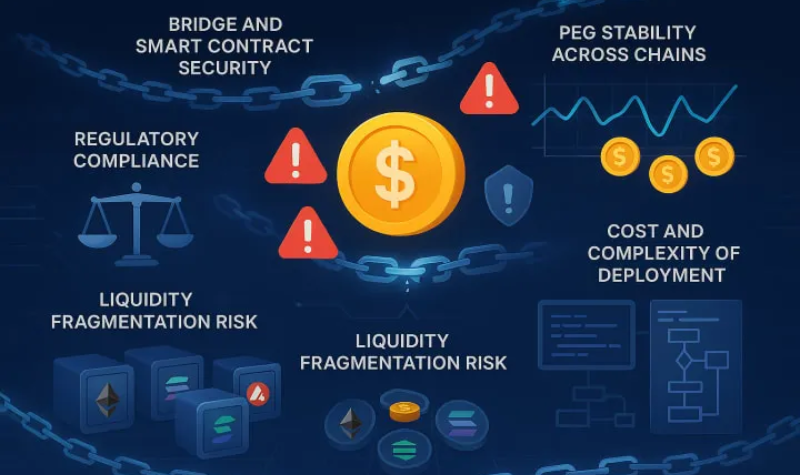
While inflows may suggest optimism, they also carry risks. The concentration of liquidity within a handful of issuers means that a regulatory challenge or reserve controversy could trigger sudden outflows. Additionally, the overlap between DeFi lending protocols and stablecoin reserves creates potential contagion points. If one area of the system falters, the ripple effects could be severe. Observers caution that while stablecoin flows can illuminate sentiment, they should not be mistaken for guaranteed stability.
Long-term outlook
The current patterns suggest a cautious but constructive outlook for digital markets. Institutions are keeping liquidity close to exchanges, retail remains defensive, and regulators are slowly advancing discussions about stablecoin oversight. The indirect references to frameworks such as RMBT show that stability is now being measured by adaptability and reserve quality rather than by size alone. This shift may ultimately diversify risk and strengthen confidence in the sector over time.
Conclusion
Stablecoin flows have become one of the clearest indicators of hidden market sentiment. They reveal where confidence lies, how investors are balancing risk and opportunity, and what models of stability are gaining attention. The blend of institutional accumulation, retail caution, and cross-stablecoin rotation underscores the complexity of today’s digital economy. While risks remain, the signals point toward a market preparing for its next phase. Whether that involves deeper adoption of modular frameworks like RMBT or greater reliance on legacy issuers, the flows themselves ensure that sentiment can no longer remain hidden.