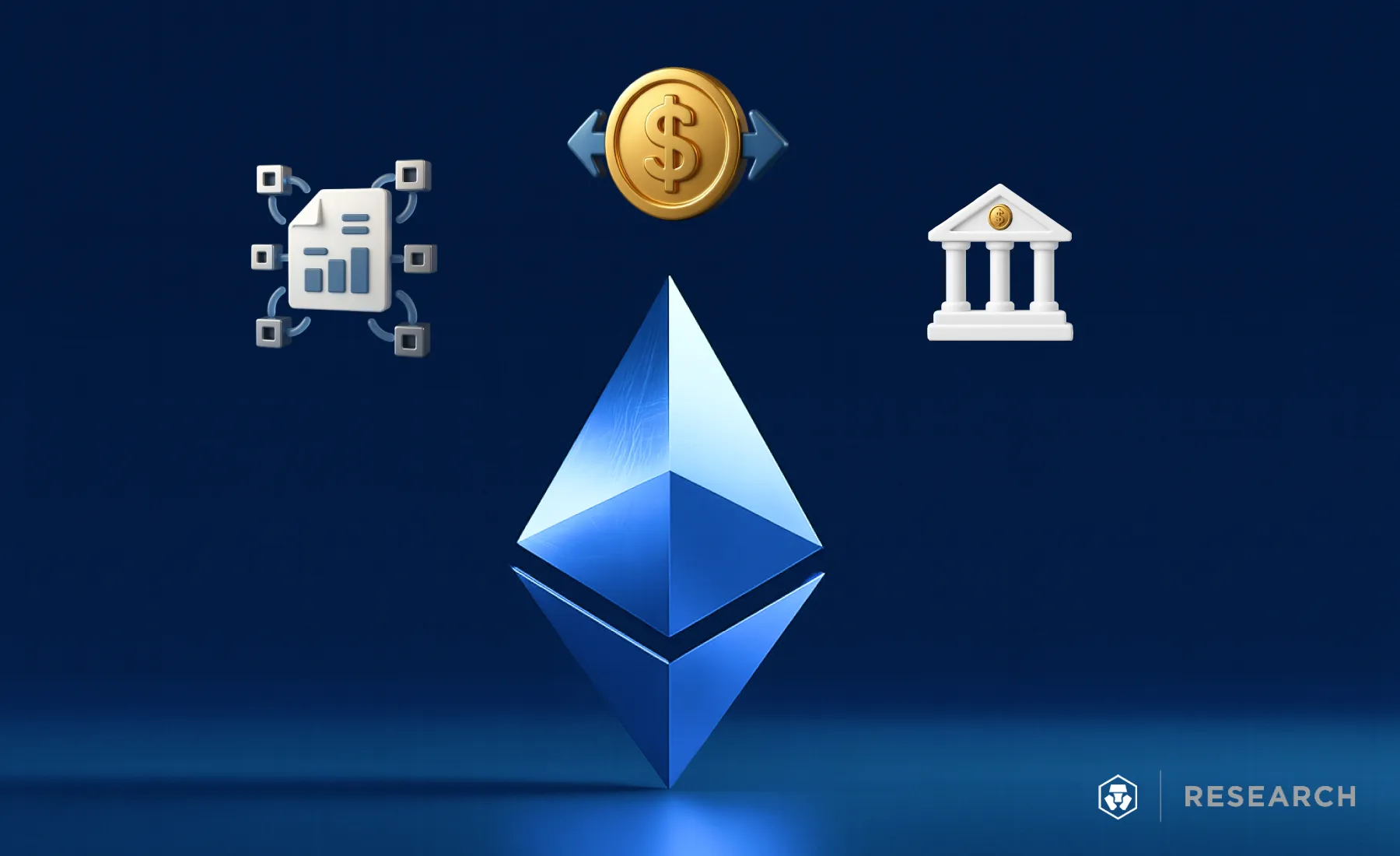
Liquidity engines are redefining how stablecoins circulate, balancing yield generation, risk management, and institutional-grade execution across global markets.
Introduction
Stablecoins were created to offer predictability in volatile markets. They succeeded, but their utility has grown far beyond trading pairs. Today, they are the arteries of digital liquidity, moving billions in value across exchanges, DeFi protocols, and settlement networks every day.
In 2025, the focus has shifted from simple issuance to liquidity engineering. Institutions require systems that not only preserve stability but also optimize how liquidity is deployed, recycled, and protected. This demand has given rise to stablecoin liquidity engines advanced platforms designed to manage circulation speed, yield flows, and systemic resilience.
These engines are becoming the invisible infrastructure of global finance. They ensure that liquidity is always available where it is needed most, without compromising compliance or security.
What Are Liquidity Engines?
Liquidity engines are integrated systems that manage the flow of stablecoins across chains, protocols, and institutional accounts. They combine analytics, automation, and risk controls to maximize efficiency.
Core functions include:
Automated liquidity routing across exchanges and DeFi pools.
Real-time monitoring of velocity, TVL, and whale flows.
Dynamic rebalancing to maintain peg stability.
Compliance modules that screen transactions during circulation.
In effect, liquidity engines turn passive stablecoins into active participants in global financial markets.
The Institutional Need for Liquidity Optimization
For institutions, holding stablecoins is no longer enough. Idle liquidity means lost opportunity. At the same time, reckless deployment increases risk. Liquidity engines solve this dilemma by striking a balance: they deploy capital where it earns yield, while maintaining reserves for settlement and stress conditions.
This dual mandate — performance and resilience — makes liquidity engines indispensable for treasuries, funds, and custodians.
Liquidity Engines vs Traditional Market Makers
Traditional market makers provide liquidity through order books. Liquidity engines operate differently. They integrate with DeFi protocols, AMMs, and cross-chain bridges, ensuring that liquidity is not just available in one place but optimized across the ecosystem.
Unlike market makers, liquidity engines are programmable. Institutions can set parameters for allocation, risk, and compliance, allowing engines to act automatically within defined thresholds.
Role of Whale Flows in Liquidity Engines
Whale movements remain one of the strongest influences on liquidity. Engines track these flows in real time, redirecting capital to stabilize markets. If whales withdraw billions from a protocol, engines can rebalance liquidity to prevent slippage.
By responding instantly to whale-driven volatility, liquidity engines enhance systemic stability.
Integration With Settlement Systems
Settlement networks and liquidity engines are increasingly interconnected. Engines supply liquidity to settlement platforms, ensuring smooth transfers even during stress events. In return, settlement flows feed data into engines, refining allocation strategies.
This symbiotic relationship transforms stablecoins into genuine financial rails capable of supporting global-scale adoption.
Compliance and Regulatory Alignment
Engines embed compliance into liquidity management. Every transfer is screened against sanction lists, AML requirements, and jurisdictional regulations. Reports are generated automatically, satisfying oversight agencies.
This integration ensures that liquidity is not only efficient but also transparent and trustworthy.
AI in Liquidity Engineering
Artificial intelligence drives the predictive side of liquidity engines. AI models forecast where liquidity will be needed, detect anomalies in circulation patterns, and simulate crisis scenarios.
For example, AI may predict a velocity surge on Solana following exchange inflows, prompting the engine to deploy additional capital there. This foresight reduces shocks and enhances efficiency.
Risk Management in Liquidity Engines
Liquidity engines incorporate safeguards to prevent systemic vulnerabilities:
Stress testing modules simulate redemption surges.
Circuit breakers halt risky allocations during anomalies.
Diversity protocols spread liquidity across chains and pools.
These measures ensure that engines do not become points of failure but tools of resilience.
Institutional Use Cases
Institutions are adopting liquidity engines for:
Treasury management, balancing safety and yield.
Exchange liquidity, ensuring stable spreads and deep markets.
DeFi participation, allocating into pools with confidence.
Settlement optimization, routing capital for cross-border payments.
Each use case highlights how engines support not only institutions but the stability of entire ecosystems.
The Future of Liquidity Engines
By 2025 and beyond, liquidity engines will evolve into autonomous systems capable of making allocation decisions with minimal human intervention. They will integrate with CBDCs, connect with traditional banking infrastructure, and provide transparent dashboards for regulators.
The ultimate vision is a global liquidity grid where capital moves instantly, predictably, and safely with stablecoin liquidity engines at its core.