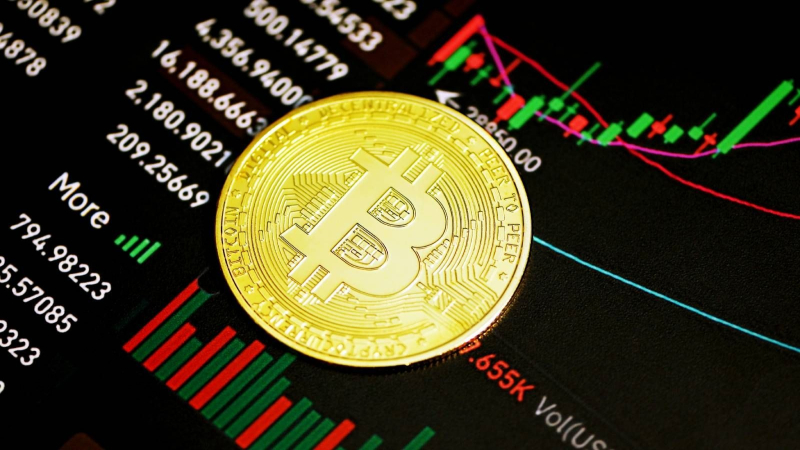
Stablecoin markets have reached a new milestone as market depth rises across major trading venues, driven largely by liquidity providers expanding institutional grade pools. This increase in depth signals improved market stability, lower slippage for large orders, and stronger confidence in using stablecoins for trading, payments, and settlement. Institutions seeking reliable digital dollar liquidity increasingly rely on stablecoins, and deeper orderbooks help create more predictable execution environments. As trading venues and liquidity providers continue reinforcing infrastructure, stablecoins are becoming more embedded in global digital finance.
The rise in market depth reflects maturing liquidity provisioning practices and the entry of more sophisticated market participants. Institutional liquidity providers are offering higher capacity pools, improving pricing consistency across time zones and reducing volatility during high activity periods. Stablecoins have historically been a major source of liquidity within digital asset markets. With institutional involvement growing, depth is expanding into new regions, trading pairs, and settlement rails. This development strengthens the role stablecoins play in both digital asset trading and broader financial operations.
Why institutional liquidity provisioning is strengthening market depth
The most important factor behind the recent expansion in market depth is the shift toward larger and more structured liquidity pools. Institutional liquidity providers are deploying capital with greater precision, using advanced trading tools to manage spreads and maintain stability across multiple venues. This ensures that stablecoin pairs remain liquid even during high volume trading sessions. Institutions value stable orderbook conditions because they reduce execution uncertainty and support more efficient allocation of capital.
Higher depth also lowers the cost of large transactions. When liquidity providers support deeper pools, traders can execute significant orders without causing sharp price movements. This is essential for institutions conducting portfolio rebalancing, hedging activities, or settlement operations involving sizable flows. As orderbooks grow, stablecoin markets begin to resemble traditional foreign exchange markets in their ability to handle large volumes smoothly.
How deeper liquidity pools are improving orderbook stability
Liquidity providers play a central role in maintaining orderly markets. By continuously offering buy and sell quotes at competitive levels, they help stabilize short term price movements. Expanded institutional pools reduce the impact of rapid inflows or outflows, preventing sudden imbalances that could disrupt trading conditions. This supports more consistent transaction pricing across all time zones and reduces the likelihood of isolated liquidity gaps.
Orderbook stability also improves trading strategy execution. Market makers and arbitrage participants prefer environments where depth remains steady because it offers clearer opportunities and lower execution risk. Stable orderbooks help align prices across venues and reduce fragmentation, contributing to a more efficient market overall. As liquidity provisioning becomes more standardized, stablecoin markets are better positioned to support institutional workflows.
Regional expansion of stablecoin liquidity
Liquidity growth is increasingly global as new regions develop deeper stablecoin markets. Trading venues in Asia, Europe, and emerging markets are reporting increased participation from institutional liquidity providers. This geographic expansion allows stablecoins to serve as reliable settlement assets in markets where traditional dollar access may be limited. Deeper regional liquidity supports faster settlement, smoother trading activity, and greater alignment between global price levels.
This trend is especially noticeable in cross border trading corridors where institutions rely on stablecoins to bridge settlement processes. With deeper liquidity, these transactions can occur with lower cost and lower volatility. Market participants benefit from predictable performance, and trading venues experience reduced dependency on any single region’s liquidity conditions.
Institutional demand reinforcing long term market structure
Institutional adoption of stablecoins for treasury operations, collateral transfers, and trading strategies has helped reinforce long term market depth. As institutions integrate stablecoins into operational workflows, consistent demand emerges across multiple market environments. This encourages liquidity providers to commit more capital and maintain deeper pools year round. Growing institutional participation also incentivizes trading venues to improve infrastructure, enhance transparency, and strengthen operational safeguards.
Over time, these developments contribute to a more mature and resilient stablecoin market structure. Liquidity becomes more distributed, spreads tighten across platforms, and stablecoins gain broader acceptance as reliable settlement instruments. This stability appeals to institutions seeking predictable digital dollar liquidity as part of their financial operations.
Conclusion
Stablecoin market depth has reached a new high as liquidity providers expand institutional pools and enhance orderbook stability. Deeper liquidity improves execution quality, strengthens market resilience, and supports the growing use of stablecoins across trading, payments, and institutional settlement. As more institutions adopt stablecoins and liquidity provisioning becomes increasingly sophisticated, market depth is expected to continue its upward trajectory.