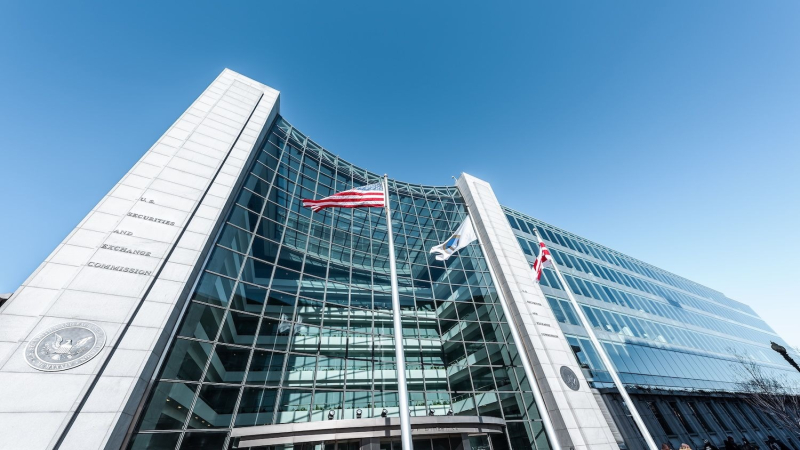
Global regulators are tightening oversight of stablecoins, forcing institutions to adapt to evolving compliance frameworks.
Regulatory Climate Tightens
By 2025, stablecoins have become too large to ignore. Market capitalization now exceeds hundreds of billions, with transaction volumes rivaling global payment networks. This scale has attracted heightened scrutiny from central banks, financial regulators, and international organizations.
Institutions adopting stablecoins for treasury, trade, and investment must now navigate a complex regulatory landscape. While oversight provides clarity and legitimacy, it also introduces compliance costs and operational adjustments.
Key Regulatory Developments
United States
The Federal Reserve and Treasury Department have introduced guidelines requiring audited reserve reports and redemption transparency.
Stablecoin issuers must register as payment providers, aligning with banking oversight.
European Union
Under the Markets in Crypto-Assets (MiCA) framework, stablecoins face strict disclosure and reserve requirements.
Cross-border settlement with stablecoins is monitored under EU anti-money laundering directives.
Asia
Singapore has introduced a licensing regime for stablecoin issuers, reinforcing its role as a global fintech hub.
China continues promoting the digital yuan but imposes restrictions on private stablecoins in domestic use.
Africa and Latin America
Several governments are drafting hybrid frameworks, balancing innovation with concerns over monetary sovereignty.
Institutional Challenges
Compliance Costs
Institutions must invest in dashboards, audits, and transaction screening to meet new obligations.
Reporting Burdens
Frequent disclosures are required to regulators, boards, and counterparties.
Cross-Jurisdiction Complexity
Institutions operating globally must reconcile divergent regulatory frameworks.
Risk of Exclusion
Stablecoins failing to meet regulatory standards may be banned from institutional use, limiting diversification.
Institutional Responses
Treasury Adjustments
Corporates adapt by selecting stablecoins with stronger compliance frameworks to avoid disruptions.
Hedge Fund Strategies
Funds are shifting allocations toward tokens with transparent reserves and regulatory approval.
Custodial Services
Custodians are expanding insured, regulated storage solutions to attract institutional clients.
Partnerships With Regulators
Institutions are engaging proactively with regulators to shape policies that balance oversight and innovation.
Expert Commentary
Dr. Marcus Leung, Policy Advisor at IMF:
“Stablecoins can no longer operate in the shadows. Regulation brings legitimacy, but it also requires institutions to adopt compliance as part of daily operations.”
Sarah Patel, Head of Compliance at Global Custody Bank:
“Institutions are moving quickly. Our clients ask only one question: is the stablecoin compliant? If the answer is no, we do not integrate it.”
Case Studies
United States: Treasury Compliance
A multinational corporation reduced stablecoin exposure to only tokens with audited reserves, restructuring treasury management to align with U.S. rules.
Europe: MiCA Impact
Hedge funds shifted from unregulated tokens to those approved under MiCA, ensuring they remained compliant with European oversight.
Asia: Singapore’s Licensing
Banks in Singapore expanded custody offerings for licensed stablecoins, attracting new institutional flows.
Role of Artificial Intelligence
AI is central to compliance in 2025:
Monitoring transactions for AML risks.
Automating reporting for regulators.
Detecting anomalies in reserve disclosures.
Forecasting regulatory risks across jurisdictions.
For institutions, AI reduces compliance costs while increasing accuracy.
The Road Ahead
Regulation will continue tightening. Institutions expect:
Global standards coordinated by G20 and BIS.
Mandatory insurance for custodial stablecoins.
Integration with CBDCs in settlement frameworks.
Higher transparency thresholds enforced worldwide.
For institutions, compliance is no longer optional. It is the cost of participation in the next phase of global stablecoin adoption.