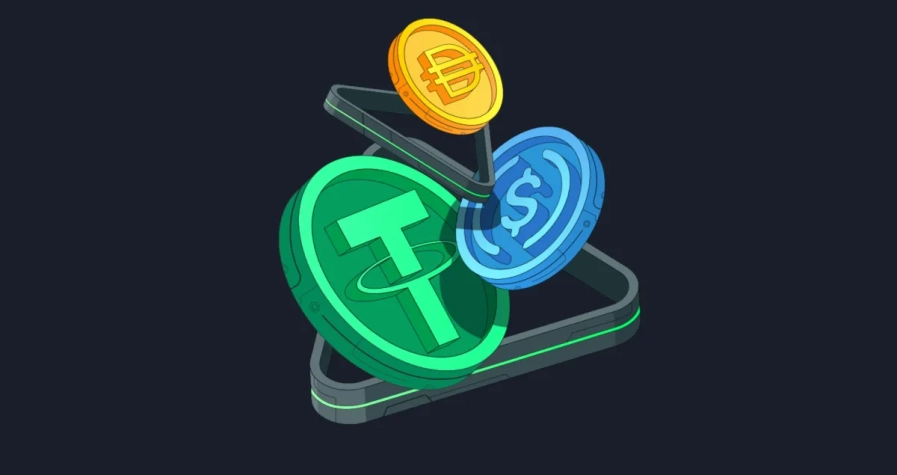
Global digital finance markets are once again showing visible growth in stablecoin supply as institutional liquidity gradually returns to on chain dollar networks. After a slower start to the year, blockchain analytics platforms are reporting renewed issuance and circulation of major dollar linked tokens across networks such as Ethereum and Tron. For institutional market participants, stablecoins continue to function as reliable digital dollars used for settlement, liquidity management, and collateral across digital asset markets. Because stablecoins move quickly and operate continuously across blockchain infrastructure, they provide institutions with a flexible way to shift capital between exchanges, trading desks, and decentralized finance protocols. The recent expansion in supply is therefore being closely monitored by analysts as an early indicator that capital flows are strengthening again across the digital asset economy.
Institutional Liquidity Returns to Stablecoin Markets
Institutional liquidity cycles often influence the expansion and contraction of stablecoin supply. When trading desks, market makers, and funds increase activity, they typically require greater amounts of digital dollars to settle transactions and manage risk. Recent blockchain data shows that several of the largest stablecoins have begun expanding their circulating supply again as trading volumes across digital markets gradually recover. Analysts monitoring on chain flows note that stablecoins continue to represent a significant portion of overall crypto settlement volume. Institutional participants rely on them because they allow fast capital deployment without the delays associated with traditional banking rails. The increase in supply therefore reflects the return of liquidity to digital markets rather than purely speculative demand.
Stablecoins as Core Digital Settlement Infrastructure
Stablecoins have evolved far beyond their early role as simple trading instruments. Today they serve as foundational infrastructure for global digital settlement networks. Institutions increasingly use stablecoins to move dollar value across multiple trading venues, collateralize derivatives positions, and support lending within decentralized finance ecosystems. Blockchain based settlement allows these transfers to occur at any time of day while maintaining transparent transaction records. This level of accessibility has made stablecoins one of the most efficient ways for institutions to manage liquidity within digital markets. As a result, stablecoin supply growth is often interpreted as a reflection of rising institutional participation in blockchain based financial systems.
On Chain Data Signals Renewed Market Activity
On chain analytics platforms provide important insight into how stablecoin supply interacts with broader digital asset activity. Large wallet addresses associated with exchanges, custodians, and institutional funds are often used as indicators of market positioning. Recent wallet tracking data shows increased transfers of stablecoins between major exchanges and liquidity pools, suggesting that institutions are preparing capital for market deployment. Analysts frequently observe that stablecoin balances tend to rise before significant increases in trading activity. This relationship occurs because stablecoins provide the primary entry point for capital into digital asset markets. When supply expands alongside wallet activity, it usually signals that institutions are positioning themselves for greater market participation.
Regulation and Market Structure Influence Supply Growth
Regulatory developments are also shaping how institutions interact with stablecoin networks. Governments and financial regulators in several major jurisdictions are developing frameworks designed to ensure transparency and reserve backing for stablecoin issuers. These efforts have helped improve confidence among institutional investors who previously viewed stablecoins as uncertain financial instruments. Clearer regulatory expectations around custody, reporting, and reserve management have strengthened trust in the sector. As compliance standards improve, financial institutions are becoming more comfortable integrating stablecoins into their digital asset operations. The increase in supply across multiple networks therefore reflects both stronger market demand and greater institutional confidence in the stability of regulated digital dollar infrastructure.
Global Demand for Digital Dollar Liquidity
Global demand for dollar liquidity continues to support the expansion of stablecoin markets. In many regions, access to traditional dollar banking services remains limited or expensive. Stablecoins offer an alternative by allowing users to hold and transfer dollar denominated value through blockchain networks. For institutions operating across multiple jurisdictions, this capability simplifies international settlement and reduces reliance on slower payment systems. Stablecoins therefore function not only as crypto market tools but also as digital representations of dollar liquidity within global financial networks. As institutional adoption of blockchain infrastructure continues to grow, stablecoins remain one of the most widely used instruments for moving capital across digital markets.
Conclusion
Stablecoin supply growth in 2026 reflects the renewed presence of institutional liquidity across on chain financial networks. As stablecoins continue to support settlement, trading activity, and decentralized finance participation, they remain central to the expanding infrastructure of global digital finance.