Introduction
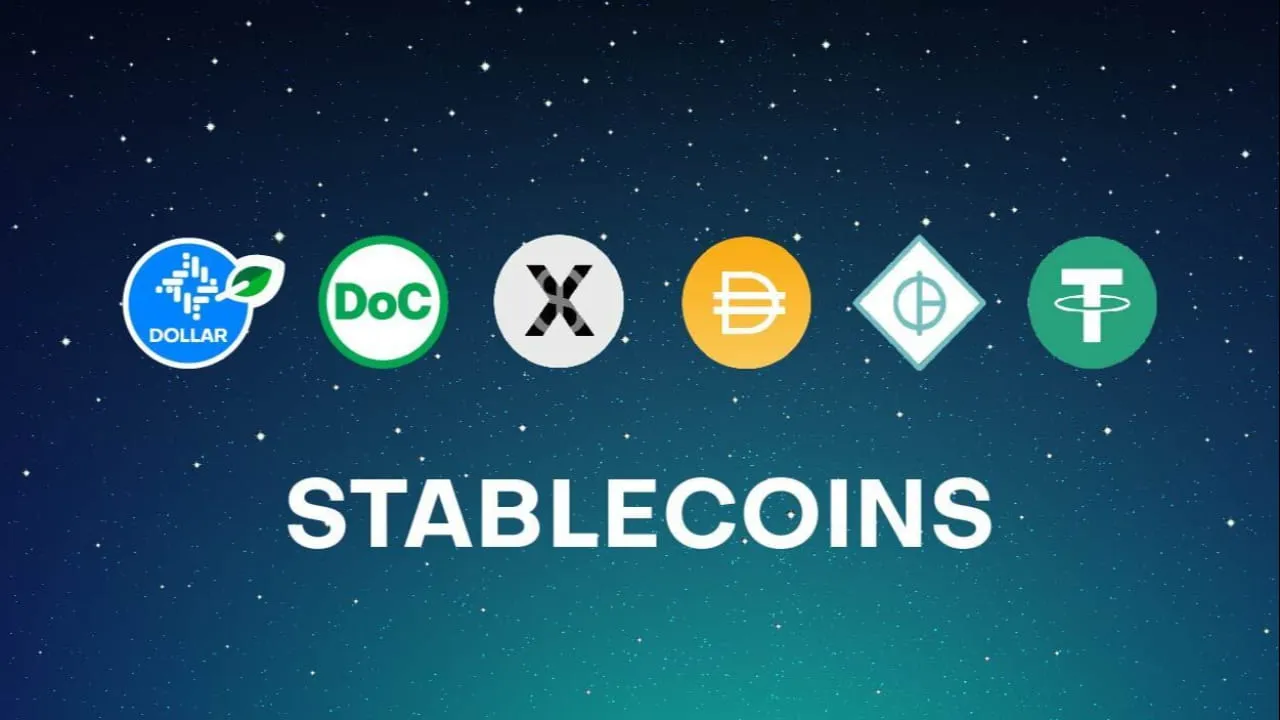
Stablecoins have long been considered the “plumbing” of the crypto economy, but their role is expanding rapidly. A new wave of reserve-backed coins is gaining traction, not just as trading tools but as payment instruments and financial infrastructure. From cross-border settlements to decentralized finance (DeFi) applications, stablecoins are emerging as one of the most important innovations in digital finance.
The growth trend
The global stablecoin market has surpassed $160 billion in circulating supply, with daily transaction volumes often exceeding those of major card networks. Much of this growth has been driven by dollar-pegged coins like USDT and USDC, but euro, yen, and yuan-backed tokens are also entering the market.
What sets today’s surge apart from earlier phases is the increasing focus on transparency and reserve quality. Investors and regulators are demanding that issuers back tokens one-to-one with high-quality liquid assets such as cash or government securities. This has elevated confidence in the sector and opened doors to institutional adoption.
Why reserve-backed matters
Reserve-backed coins stand in contrast to algorithmic stablecoins, which rely on complex mechanisms to maintain their pegs. After the collapse of TerraUSD in 2022, markets shifted decisively toward fully collateralized models. Reserve-backed coins are now seen as safer, more reliable, and better suited for mainstream finance.
Transparency has become a key differentiator. Circle, for instance, issues monthly attestations of USDC’s reserves, while Tether has expanded disclosure around its holdings of US Treasuries. These steps have helped stabilize investor confidence and attract corporate users.
Payments adoption
Stablecoins are increasingly being used in real-world payments. Merchants in Latin America and Africa are adopting dollar stablecoins to bypass inflation and currency volatility. In Asia, some exporters are experimenting with stablecoins to settle invoices in real time, reducing dependence on traditional correspondent banking systems.
Global companies are also testing stablecoin integration into payroll and remittance services. By cutting settlement times from days to seconds, stablecoins improve liquidity and reduce costs, particularly in cross-border scenarios.
DeFi and beyond
In decentralized finance, stablecoins remain the backbone of lending, borrowing, and yield farming. However, new use cases are emerging beyond DeFi. For example:
-
Tokenized assets: Stablecoins are used as settlement currency for tokenized bonds and real estate.
-
Gaming and metaverse: In-game economies are adopting stablecoins as stable mediums of exchange.
-
Supply chain finance: Stablecoins are being used to streamline payments between global suppliers and buyers.
These applications highlight how stablecoins are evolving into multipurpose instruments, not just crypto-native tools.
Institutional adoption
Large financial institutions are starting to embrace stablecoins. JPMorgan’s Onyx platform uses tokenized deposits for wholesale transactions, while asset managers are exploring stablecoins as settlement assets for digital funds.
Reserve-backed models give institutions the confidence that tokens will retain their value, allowing them to integrate into regulated frameworks. This institutional interest is fueling further growth in circulation and transaction volumes.
Regulatory clarity
Regulators worldwide are now shaping rules to govern stablecoins. Europe’s MiCA framework, Hong Kong’s licensing regime, and the newly passed US GENIUS Act all set requirements for reserves, licensing, and redemption rights.
These frameworks legitimize reserve-backed coins while excluding riskier models. The regulatory shift is encouraging banks and fintechs to consider issuing their own stablecoins, expanding competition and diversity in the market.
Risks and challenges
Despite growth, stablecoins still face challenges:
-
Concentration: The market remains dominated by a few issuers, raising systemic risk concerns.
-
Banking relationships: Access to secure custodial accounts for reserves remains a vulnerability.
-
Cross-border regulation: Inconsistent rules across jurisdictions could fragment liquidity.
-
Perception risks: Stablecoins remain linked to the broader volatility of crypto markets, even if reserves are stable.
Addressing these challenges will be crucial for sustainable growth.
Future outlook
Analysts predict the stablecoin market could reach $400–500 billion in circulation by 2027. Growth will likely be driven by:
-
Integration into mainstream payment networks.
-
Expansion into new reserve currencies like the euro, yen, and yuan.
-
Adoption in emerging markets with unstable currencies.
-
Institutional products using stablecoins for settlement and collateral.
The long-term vision is for stablecoins to coexist with central bank digital currencies (CBDCs), serving as flexible, private-sector complements to government-issued tokens.
Conclusion
Reserve-backed stablecoins are experiencing a surge that is reshaping their role in payments and finance. No longer just a tool for traders, they are becoming integral to cross-border settlements, corporate finance, and digital commerce. With regulatory clarity emerging and institutional adoption accelerating, reserve-backed coins are poised to play a defining role in the future of money. The question is no longer whether stablecoins will endure but how deeply they will embed themselves into the global financial system.