Stablecoins have become a core operational asset for funds and crypto trading desks, especially as markets operate around the clock and across jurisdictions. What began as a convenience for trading…

Stablecoins have become a core operational asset for funds and crypto trading desks, especially as markets operate around the clock and across jurisdictions. What began as a convenience for trading…

Crypto markets in 2026 are operating under a different set of priorities than in previous cycles. For much of the industry’s history, leverage acted as the primary accelerant, magnifying gains…

For much of crypto market history, liquidity and leverage were tightly linked. Trading volume expanded rapidly during periods of aggressive leverage, only to contract sharply when risk appetite faded. This…
Digital asset markets opened the week under renewed pressure, with broad based declines reflecting a shift toward risk reduction rather than asset specific weakness. Bitcoin moved into the mid eighty…

Institutional participation in digital asset markets has matured beyond experimentation, with stable assets now playing a central role in capital allocation decisions. Rather than chasing short term returns, institutions increasingly…
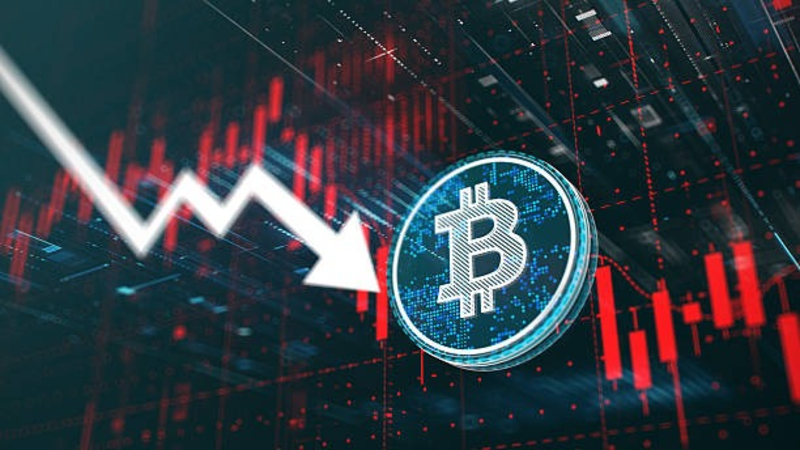
Bitcoin fell below the ninety thousand dollar mark as broader risk sentiment deteriorated following renewed concerns around the profitability outlook for artificial intelligence related investments. The decline reflected a shift…
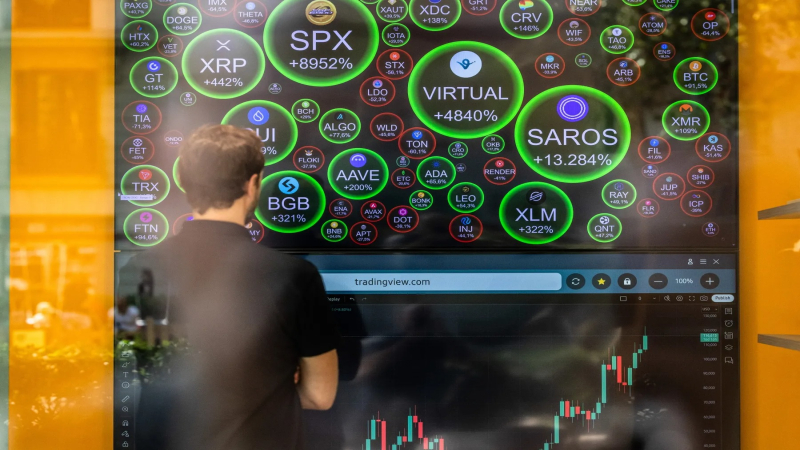
The stablecoin market has reached its highest aggregate market capitalization in twelve months, driven largely by renewed demand for short duration U.S. Treasury bills and improved liquidity conditions across institutional…
Stablecoin issuers and institutional users increasingly rely on traditional money market instruments to generate yield, support liquidity, and maintain reserve stability. Understanding how these yield structures work is essential for…
Market analysts are tracking signals that indicate bitcoin’s recent decline may be entering a stabilization phase, with Standard Chartered’s digital assets research team noting that the magnitude of the latest…
Tokenization of real world assets has expanded as institutions search for more efficient settlement systems and more transparent structures for financial instruments. These tokenized assets require a stable foundation for…