Stablecoins have moved into the core of digital finance faster than regulatory frameworks have been able to adapt. While policymakers continue to debate definitions, safeguards, and jurisdictional boundaries, markets have…

Stablecoins have moved into the core of digital finance faster than regulatory frameworks have been able to adapt. While policymakers continue to debate definitions, safeguards, and jurisdictional boundaries, markets have…
Cross-border payments have long been one of the most inefficient parts of the global financial system. Despite advances in digital banking, international settlements remain slow, costly, and dependent on layered…
Stablecoins have moved far beyond their early role as a convenience tool for crypto trading. By early 2026, they are increasingly viewed by financial institutions as a practical layer for…

Stable finance has become a widely used term, yet it is often misunderstood. Many associate it narrowly with stablecoins or assume it is simply a safer corner of crypto markets.…
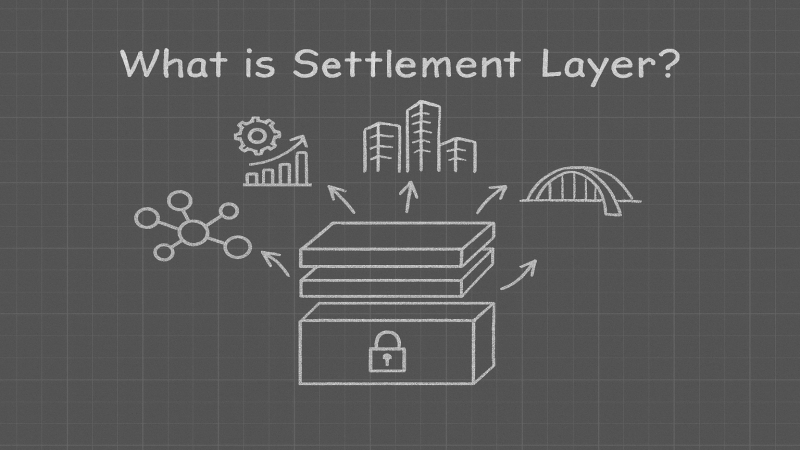
Digital settlement layers are becoming a central part of modern finance, yet they are often discussed in highly technical terms. In 2026, these systems are no longer experimental concepts limited…

Digital finance in 2026 is undergoing a transformation that is largely invisible to end users. While attention often focuses on new applications or market movements, a more important shift is…
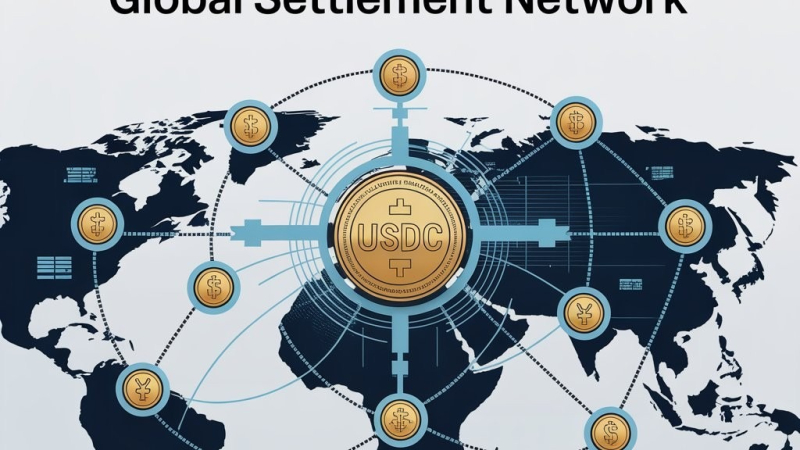
Cross border settlement has long been one of the most complex and inefficient areas of global finance. Transactions often move through multiple intermediaries, time zones, and regulatory regimes, creating delays,…

Digital finance has made rapid progress in recent years, with new platforms, assets, and settlement tools emerging across markets. From tokenized assets to digital payments, innovation has focused on building…

JPMorgan has introduced its first tokenized money market fund on the Ethereum network, marking a notable step in the gradual integration of blockchain infrastructure into conventional asset management. The fund,…
Tether is evaluating whether to introduce a tokenized version of its equity following a planned private share sale that could raise up to twenty billion dollars and imply a valuation…