Visa is increasing its focus on stablecoin settlement as part of a strategy to integrate digital dollars into its existing payment infrastructure rather than competing with it. The company’s crypto…


Visa is increasing its focus on stablecoin settlement as part of a strategy to integrate digital dollars into its existing payment infrastructure rather than competing with it. The company’s crypto…

Governments are expected to begin treating artificial intelligence infrastructure as strategic national assets in 2026, elevating data centers, energy access, and GPU capacity to the same importance historically reserved for…
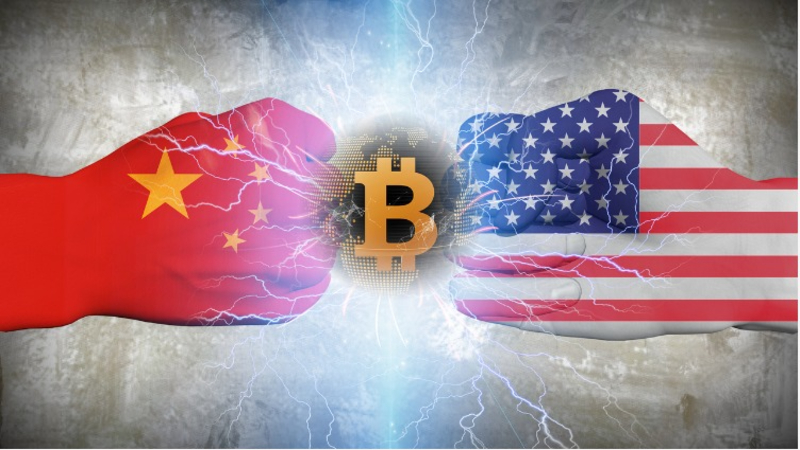
China is intensifying competition in digital money by allowing interest payments on its state backed digital yuan, a move that is drawing sharp attention as the United States continues to…

Cross border liquidity has long been one of the most complex challenges in global finance. Moving value across jurisdictions involves multiple intermediaries, currency conversions, settlement delays, and regulatory friction. Even…
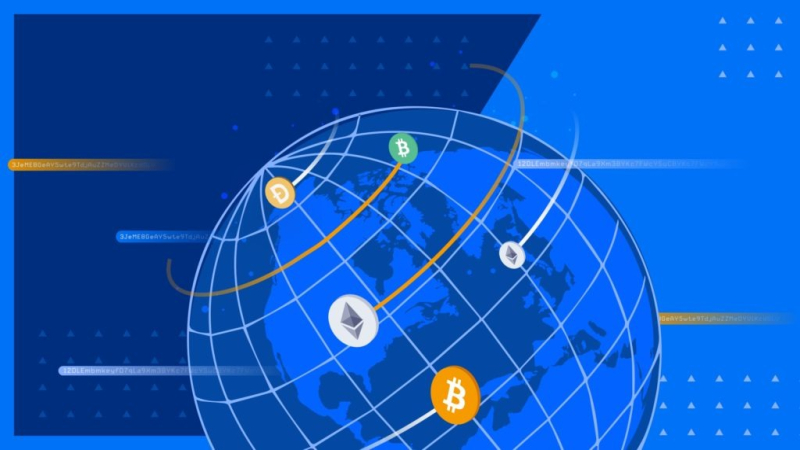
Cross-border payments have long been described as inefficient, slow, and costly. For years, reform efforts focused on incremental upgrades to existing systems, aiming to improve speed or reduce fees without…

Visa is accelerating its strategy to integrate stablecoins and artificial intelligence into global payment infrastructure, targeting the growing economy of creators, freelancers and gig workers who demand faster and more…
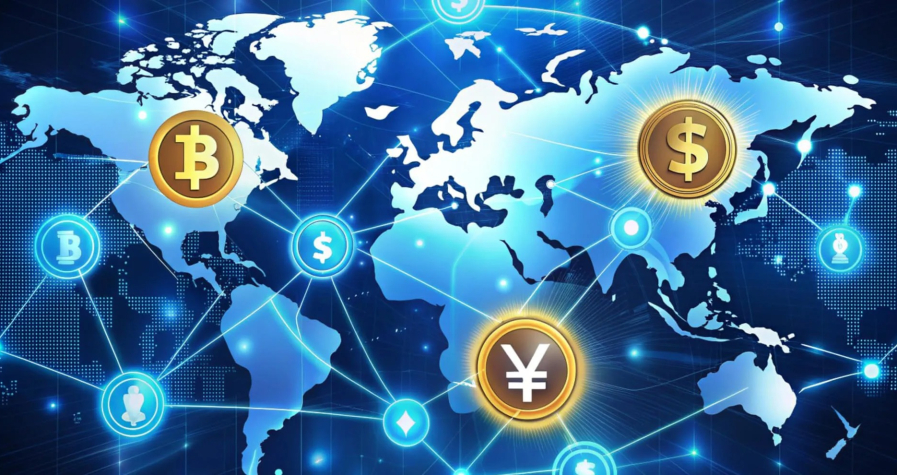
Stablecoins are quietly reshaping the global financial landscape by extending the reach of the U.S. dollar into regions long underserved by traditional banking systems. As developing economies face currency instability…

Stablecoins are often compared to email in a world still sending faxes faster, more efficient, and globally accessible. As the digital economy matures, stablecoins are proving to be the most…
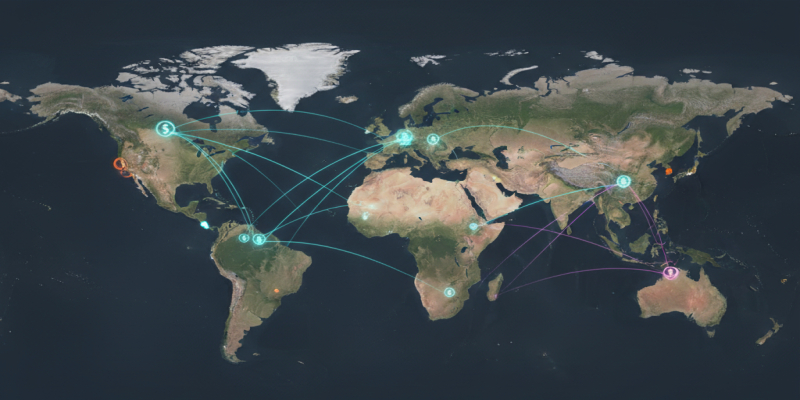
Introduction The International Monetary Fund (IMF) has issued a warning regarding the potential fragmentation of the stablecoin ecosystem and its implications for the global payments system. As stablecoins continue to…