Stablecoin markets are entering a phase where collateral structure is becoming as important as peg stability. Institutional allocators are no longer evaluating stable assets solely on liquidity depth or market…


Stablecoin markets are entering a phase where collateral structure is becoming as important as peg stability. Institutional allocators are no longer evaluating stable assets solely on liquidity depth or market…

Stablecoin adoption within institutional finance has evolved beyond basic peg stability and liquidity depth. Treasury teams now examine the structural design of supply elasticity models to understand how stable assets…

Institutional digital asset allocation is increasingly visible through wallet concentration metrics rather than public commentary. Large address clusters that historically maintained conservative stablecoin exposure are showing subtle but meaningful distribution…

Institutional capital does not typically move in dramatic waves. It shifts in controlled increments, guided by internal compliance reviews, liquidity assessments, and measurable data. Recent total value locked metrics across…

Institutional behavior in digital asset markets is rarely driven by headlines alone. It is shaped by balance sheet discipline, compliance considerations, and a growing reliance on verifiable on-chain data. Over…

High frequency on chain data has become one of the most powerful tools for evaluating the structural health of decentralized finance. Traditional metrics provide useful snapshots of liquidity, user activity,…

Whale activity has long been a point of interest for market analysts, but its influence has grown significantly as decentralized finance has expanded in scale and complexity. Large wallets now…
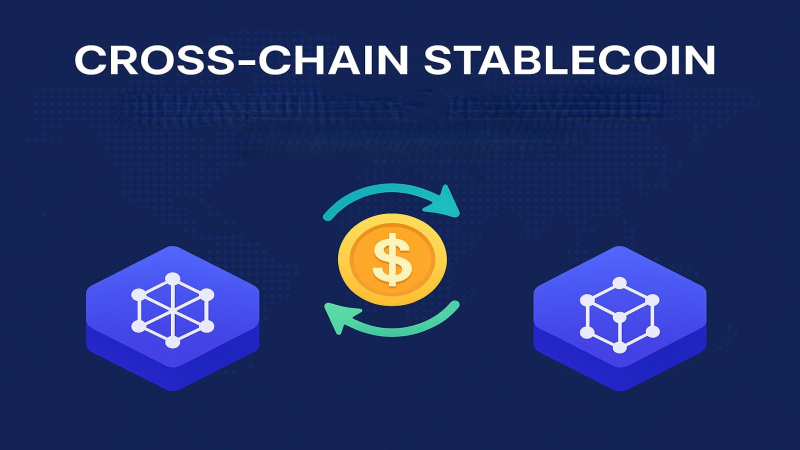
Cross-chain stablecoin transfers have reached their highest levels in several quarters, signaling broader usage of multi-chain infrastructure and faster liquidity shifts across major networks. Transfer volumes show consistent growth in…

New market models are showing a clear rise in stablecoin velocity across major chains as transaction volumes accelerate and settlement intervals shorten. Velocity metrics have climbed steadily over recent weeks,…

Cross chain transaction data is increasingly revealing how capital rotates between networks in response to emerging liquidity opportunities. Rather than remaining confined to single ecosystems, large wallets and institutional participants…